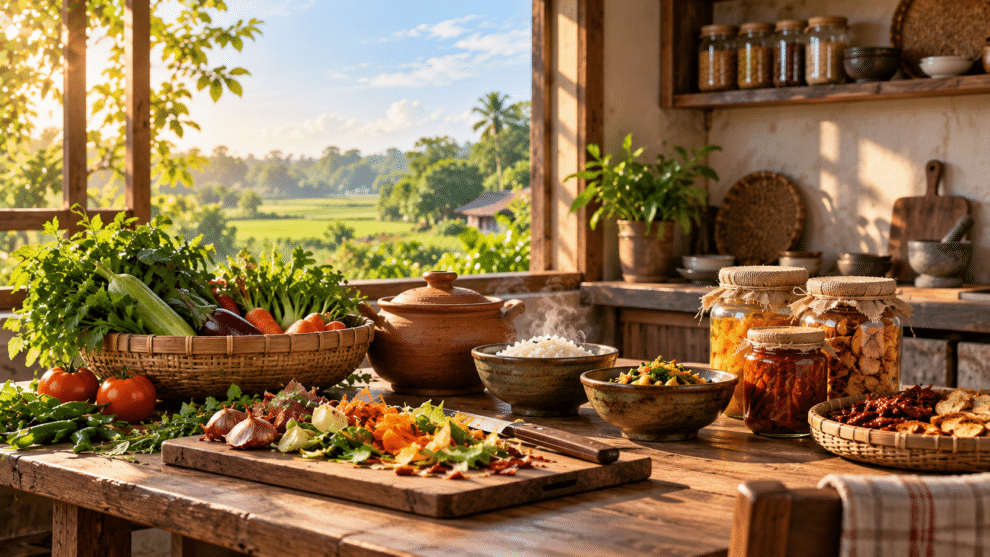
Every generation believes it has discovered a better way of living. Yet, when it comes to food, the future may actually be leading us back to the past.
Across the world, households, chefs, and sustainability advocates are embracing practices that our grandparents considered ordinary; buying only what was needed, cooking with seasonal ingredients, preserving food for later, and making the most of every ingredient. These traditions, once born out of necessity, are now being recognised as practical solutions to one of the world’s most pressing challenges: reducing food waste.
According to the Food and Agriculture Organization (FAO), around 13.2% of food is lost before reaching retail, while another 19% is wasted by retailers, food service providers, and households. Together, this represents an enormous loss of food, water, land, labour, and energy.

Lessons from a Simpler Kitchen
Long before sustainability became a global movement, many families naturally followed practices that wasted very little. Leftover rice became the next day’s breakfast, stale bread found new life as puddings or breadcrumbs, and seasonal fruits were preserved through drying, pickling, or making jams. Vegetable peels enriched broths, while surplus produce was shared with neighbours rather than thrown away.
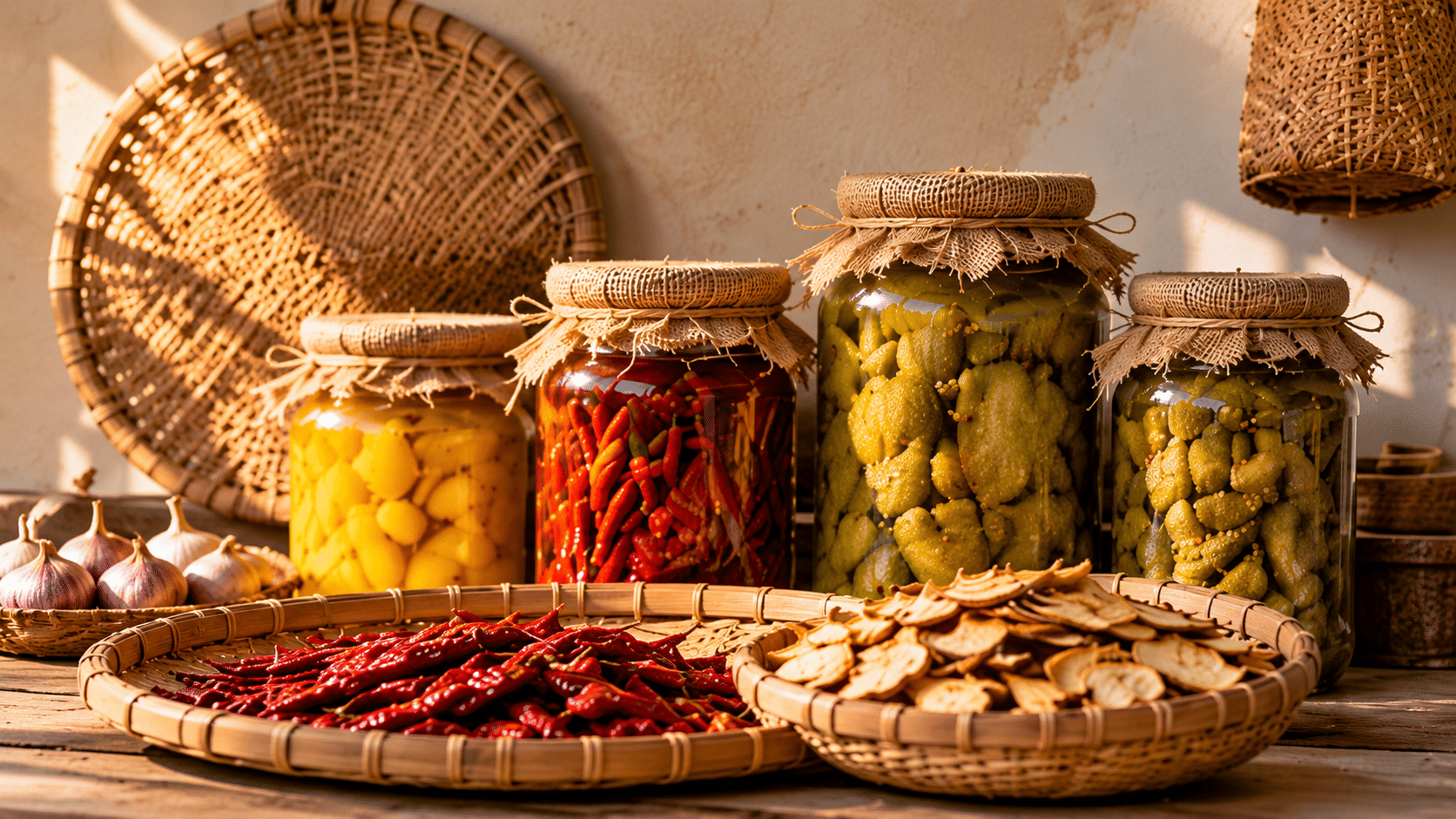
These weren’t environmentally driven choices, they were simply practical habits rooted in respect for food and an understanding that every harvest required time, effort, and resources.
Today, many of these traditions are quietly returning to modern kitchens.
Old Habits, New Purpose
Consumers are increasingly planning meals before shopping, storing food more carefully, freezing leftovers, and buying seasonal produce. Restaurants are embracing “root-to-stem” and “nose-to-tail” cooking, ensuring that more of each ingredient is put to good use rather than discarded.
This renewed appreciation for traditional food wisdom reflects a broader cultural shift. Instead of valuing abundance alone, people are becoming more mindful of what they buy, cook, and consume. It is a philosophy that closely aligns with the United Nations’ Sustainable Development Goal 12.3, which aims to halve global food waste and reduce food losses throughout the supply chain.
Food as Heritage
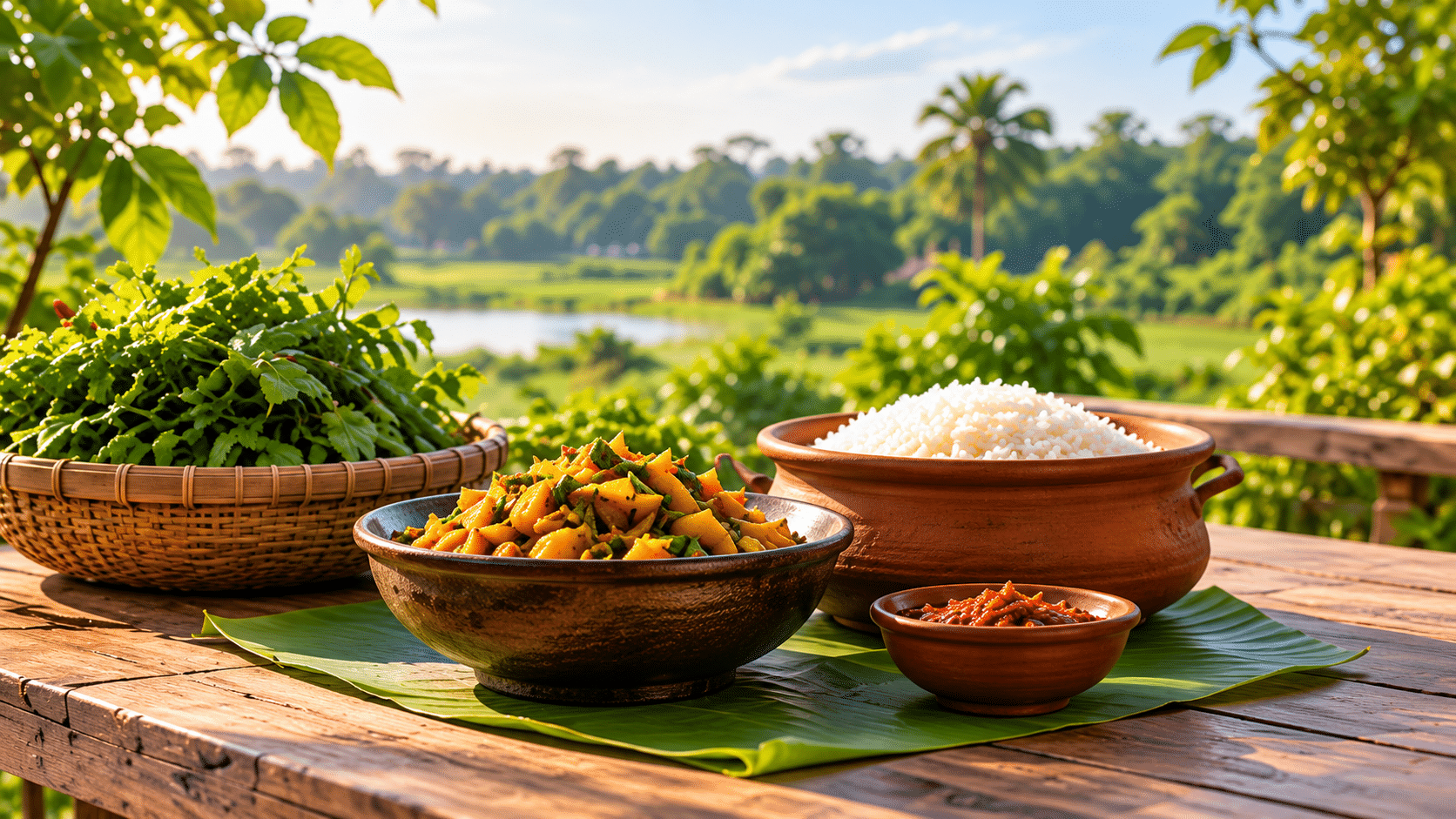
Traditional food practices offer more than environmental benefits, they preserve culture. Recipes, preservation methods, and seasonal cooking techniques carry stories that are passed from one generation to the next. Recognising this, UNESCO has highlighted traditional food knowledge as an important part of humanity’s intangible cultural heritage, acknowledging that the way communities cultivate, prepare, preserve, and share food is as valuable as the dishes themselves.
As younger generations rediscover these customs, they are not merely reviving old recipes; they are preserving a way of life that values resourcefulness, community, and respect for nature.
Looking Back to Move Forward
Progress does not always mean replacing the old with the new. Sometimes, it means recognising that the answers to modern challenges have been with us all along.
As the world searches for more sustainable food systems, the wisdom of previous generations offers a timeless lesson: reducing waste begins not with expensive innovations, but with thoughtful choices made around the dining table. In many ways, the kitchens of yesterday may hold some of the most practical solutions for the future.