By 2050, the world’s population is expected to reach around 9.7 to 10 billion people, and global demand for food may be about 70 percent higher than it is today, according to estimates compiled by researchers working with the Food and Agriculture Organization (FAO). The challenge is not only to produce more food, but to do so in a world reshaped by climate change.

Climate Pressure on What We Grow
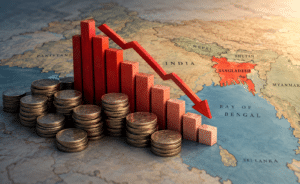
Climate change is already damaging harvests. A global review published in 2025 found that staple crop yields in Sub Saharan Africa could fall by 10 to 20 percent by 2050 if current climate trends continue, with serious implications for food security. Another study highlighted in Nature reported that each extra degree of global warming could cut food energy availability by up to 120 calories per person per day, even when farmers adapt with new crops and practices.
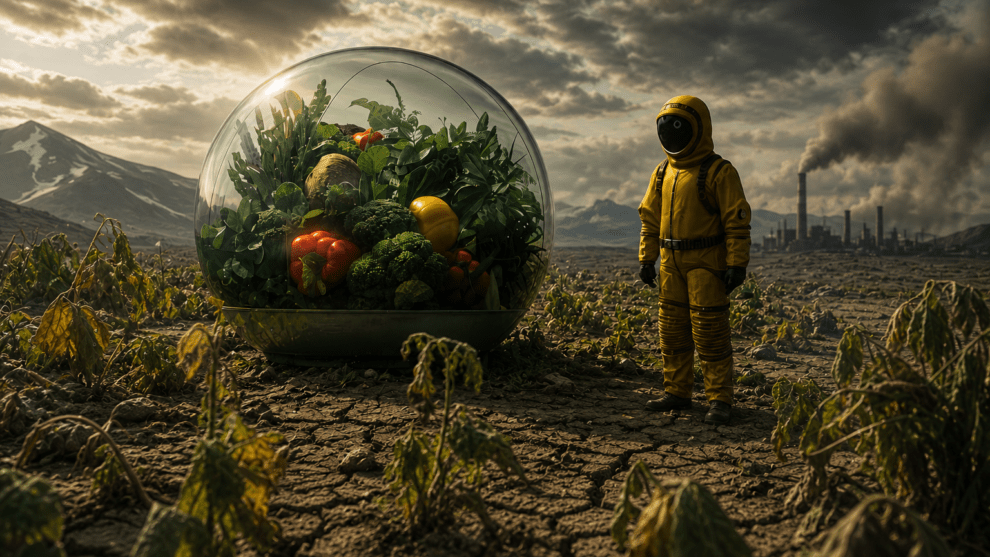
Research reviewed by the World Bank and FAO warns that climate change will increase yield variability, intensify droughts and floods, and put particular stress on the “breadbasket” regions that supply much of the world’s grain. In other words, by 2050, the world will depend on an agricultural system that must feed more people under harsher and less predictable conditions.
What Will Be on the Plate?
In a climate changed future, diets are likely to shift in three major ways.
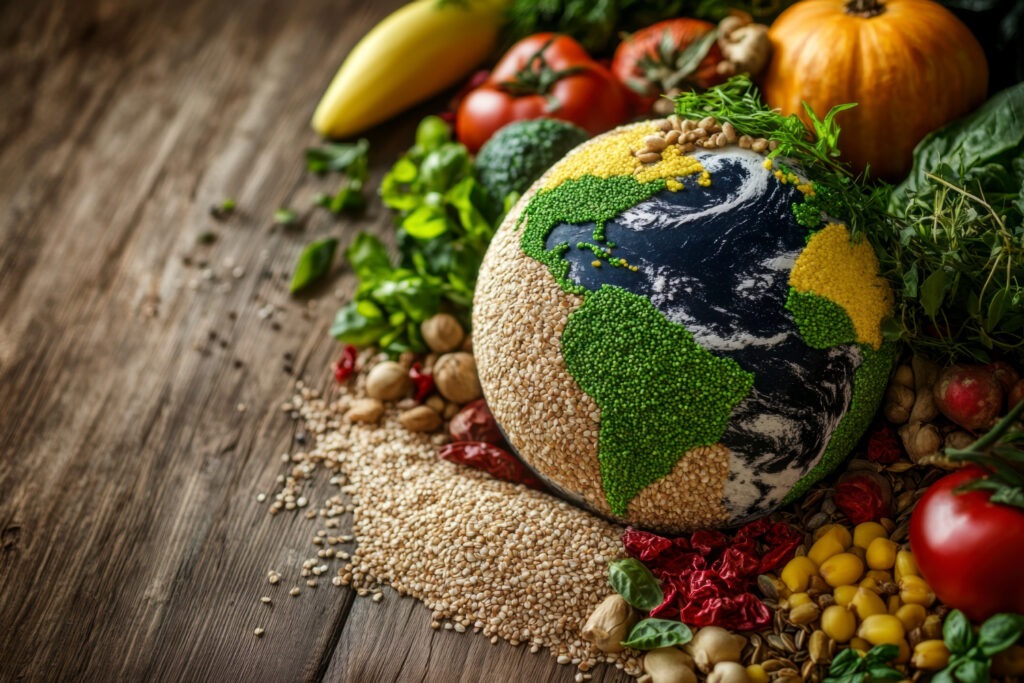
First, more people will need to move toward mostly plant based eating. The updated 2025 EAT Lancet Commission argues that a “planetary health diet” rich in fruits, vegetables, whole grains, legumes and nuts, with limited red meat and sugar, could feed nearly 10 billion people while preventing up to 15 million premature deaths each year and cutting environmental damage.
Second, alternative proteins will become more common. A 2024 review in npj Science of Food notes that demand for food may almost double by 2050 and identifies plant based, insect based, microbe derived and cultured meat as key options to ease pressure on land, water and emissions. A 2025 study in Food Bioscience reaches a similar conclusion, highlighting rapid advances in plant based and cultured meat technologies. These foods will not entirely replace conventional meat and fish, but they are likely to take a growing share of the global protein market.
Third, we will rely more on climate resilient crops and aquatic foods. This means greater use of drought tolerant varieties of staples, expanded cultivation of pulses and coarse grains, and more sustainable use of fish, seaweed and shellfish, which can provide high quality nutrition with relatively low emissions if managed well.
Building a Climate Smart Food System
What the world eats in 2050 will depend largely on decisions made in the next decade. The World Bank describes climate smart agriculture as an integrated approach that boosts productivity, strengthens resilience and reduces emissions across farms, forests and fisheries. This includes better water management, agroforestry, improved livestock systems and digital tools that help farmers adapt.
At the same time, transforming food systems also means cutting waste, reforming subsidies, encouraging healthier diets and using trade to move food from surplus regions to those in crisis. FAO’s recent work on long term pathways stresses that productivity gains must go hand in hand with environmental protection if we are to feed the world sustainably by mid century.
The menu of 2050 will not simply be a richer version of today’s diet. It will be a test of whether humanity can redesign what it grows and eats fast enough to stay ahead of a rapidly changing climate.