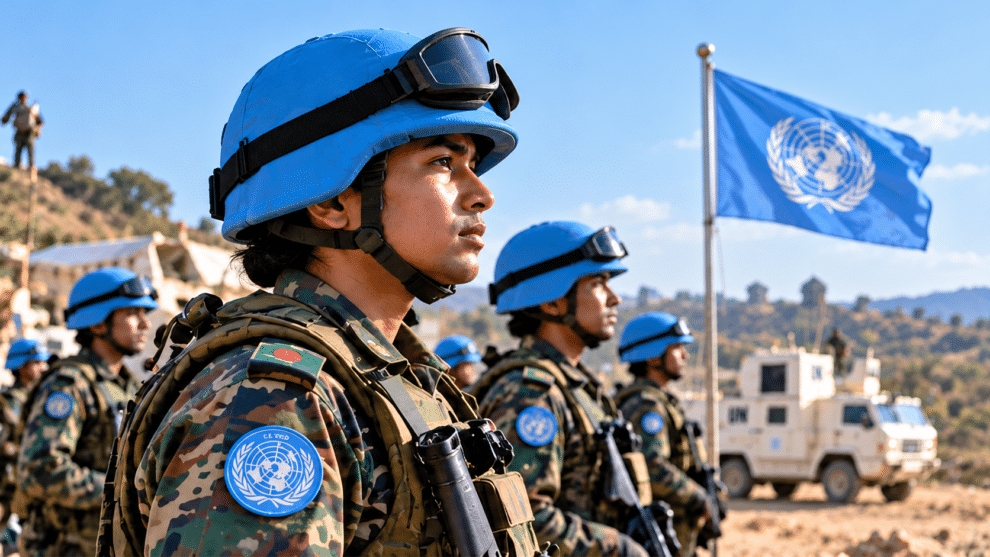
For more than three decades, Bangladesh has stood as one of the most consistent contributors to the United Nations’ global peace efforts. What began as a modest engagement in 1988 has evolved into a multifaceted role, from deploying peacekeepers in the world’s most volatile regions to shaping discussions on policy, climate, and sustainable development. Today, Bangladesh is no longer just a peacekeeper; it is gradually emerging as a policymaker within the UN system.

A Legacy of Peacekeeping
Bangladesh first joined UN peacekeeping missions in 1988 by sending military observers to the Iran–Iraq Armistice mission. According to data from the United Nations Department of Peace Operations (2024), Bangladesh currently has over 6,300 uniformed personnel deployed across twelve UN missions, making it one of the top three troop-contributing countries in the world. More than 200,000 Bangladeshi peacekeepers have served in over 40 countries since independence, a record that underscores both scale and commitment.
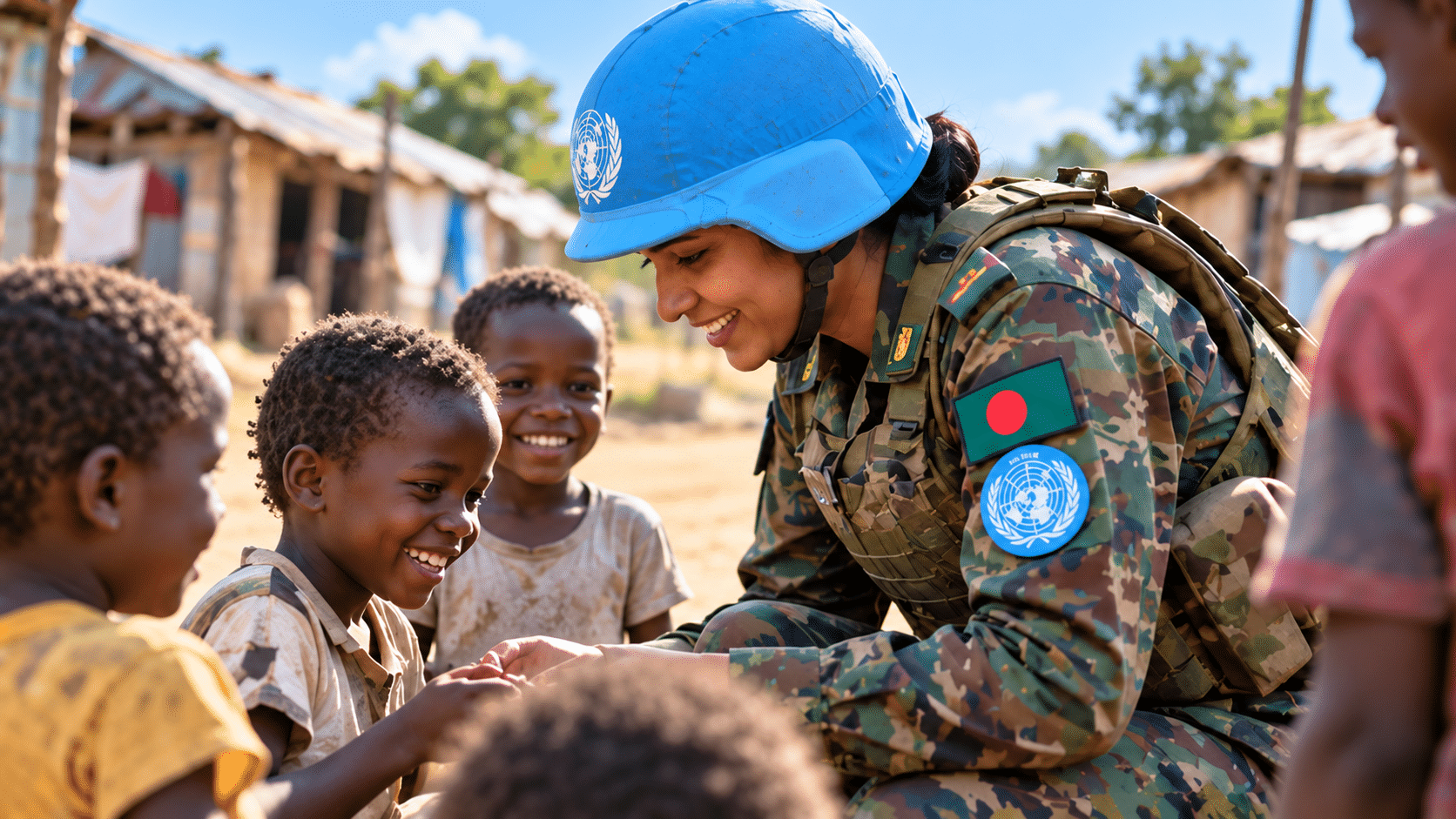
Peacekeeping has also shaped Bangladesh’s global image. As noted by The Diplomat in 2023, Bangladeshi contingents are valued not only for discipline and professionalism but also for their humanitarian engagement, building infrastructure, supporting local governance, and providing medical assistance in conflict-affected areas. This long engagement has, in turn, strengthened civil–military professionalism at home, as highlighted by research published in The Geopolitics Journal.
A Voice in Policy Circles
While peacekeeping remains central to its identity, Bangladesh has expanded its role in policy advocacy within the UN. According to statements from the Permanent Mission of Bangladesh to the United Nations in New York (2024), Dhaka’s diplomats now take leading roles on issues such as climate justice, refugee protection, gender equality, and South–South cooperation.
In March 2024, Bangladesh was elected to the UN Commission on the Status of Women (CSW) for the 2024–2028 term, a milestone reflecting its increasing prominence in gender diplomacy and development policy. The country has also played an active part in shaping UN resolutions on the Rohingya crisis, climate adaptation funding, and disaster risk reduction, aligning global narratives with the priorities of vulnerable nations.
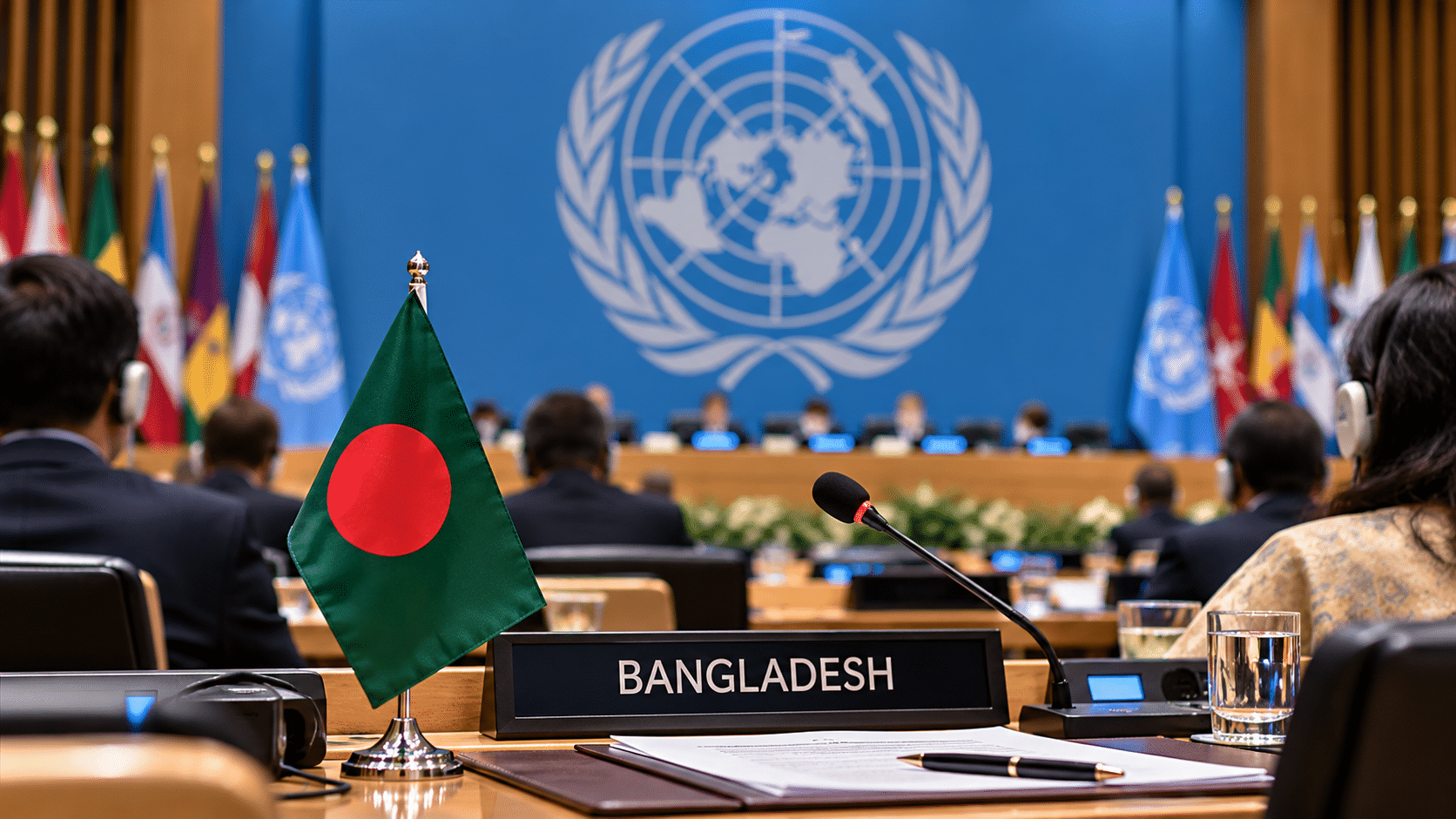
Bangladesh’s permanent representatives have also gained recognition within multilateral platforms. Former envoy Rabab Fatima, for instance, served as Vice-President of the UN General Assembly in 2021 and later as High Representative for the Least Developed Countries, Landlocked Developing Countries and Small Island Developing States (OHRLLS). Her leadership illustrated how Bangladesh is increasingly viewed as a bridge between the Global South and multilateral institutions.
From Implementation to Influence
At home, the UN’s engagement with Bangladesh has also evolved. The UN Sustainable Development Cooperation Framework (2022–2026) aligns the work of over 20 UN agencies with the government’s Eighth Five-Year Plan, emphasizing inclusive growth, social protection, and environmental resilience. The Resident Coordinator’s Office in Dhaka describes this partnership as one shifting “from implementation to strategic collaboration,” reflecting Bangladesh’s growing capacity to lead rather than receive.
As reported by The Daily Star in 2024, this transformation mirrors a wider aspiration within Bangladesh’s foreign policy — to move from a “rule-taker” to a “rule-shaper.” Dhaka’s active participation in UN Climate Conferences, migration forums, and peace-building commissions demonstrates a pivot from operational contribution to policy leadership.
Challenges and the Road Ahead
Yet, Bangladesh’s expanded presence in global diplomacy comes with challenges. Policy influence requires intellectual capital, negotiation expertise, and consistent engagement in committees where decisions are made. Smaller states like Bangladesh must work harder to ensure their voices are heard amid competing global interests. Moreover, as observed by The Financial Express in 2024, maintaining credibility will depend on internal governance and the country’s continued commitment to human rights and transparency.
Charting the Next Chapter
Bangladesh’s journey in the United Nations encapsulates its broader evolution from a nation once associated with poverty and instability to a contributor of peace, stability, and ideas. From the frontlines of peacekeeping to the negotiating tables of policymaking, it has steadily earned the respect of the global community. The next chapter will depend not only on how many peacekeepers it sends abroad but also on how effectively it shapes global norms on climate, equity, and justice, causes that mirror its own national struggles and aspirations.