
With artificial intelligence growing in power and accessibility, cybersecurity threats are entering a new phase. Sophisticated generative AI tools now enable attackers to craft convincing deepfakes, realistic voice or video impersonations, and automated social-engineering campaigns. The reach and complexity of these tools is altering the digital threat landscape in ways that traditional defenses struggle to keep pace with.

Evolving Threats: Deepfakes Meet Cybercrime
Deepfake technology, once mainly used for entertainment, has rapidly become a tool for fraud, impersonation, and manipulation. According to KPMG’s report, deepfake-related risks are scaling faster than phishing attacks did 25 years ago. In North America alone, deepfake fraud cases surged roughly 1,740% between 2022 and 2023, and losses exceeded US $200 million in the first quarter of 2025 (World Economic Forum). These attacks exploit humanity’s trust in digital media and identity, whether it’s a CEO’s voice requesting a wire transfer or a convincingly fake video of a public official.
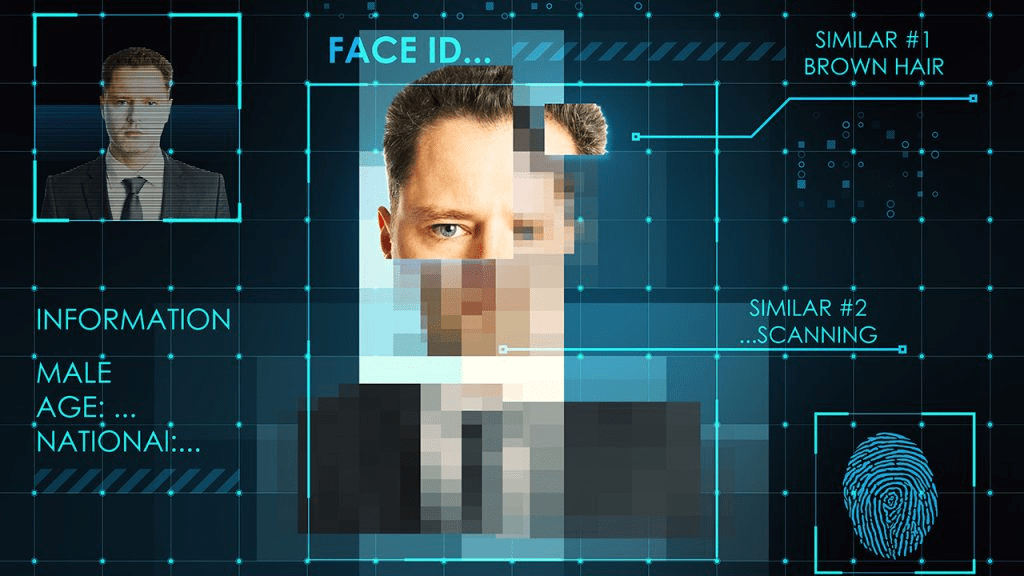
At the same time, generative AI models such as those discussed in research on social engineering (Falade et al., 2023) show attackers can now craft highly personalized phishing emails, manipulate public opinion, and compromise workflows at scale. These tools present a formidable risk: even non-technical actors can weaponize them with minimal investment.
New Vulnerabilities: Beyond Phishing and Malware
The cybersecurity implications go well beyond traditional malware or phishing. For example, a study on biometric authentication found generative deepfakes pose a growing threat to face, voice, and gesture-based identity systems (He et al., 2025). AI-generated passports, fake credentials, and manipulated footage now challenge trust models underpinning key systems, from border control to corporate access.
Deepfakes also foster disinformation campaigns. The European policing agency Europol noted that manipulated audio/visual content is used to influence elections, erase accountability, and undermine institutional credibility (Europol Innovation Lab, 2023). The sophistication of these attacks means that simply training staff in phishing awareness is no longer enough.
Defending Against a Shifting Landscape
Organizations must rethink cyber-defense strategies to match the scale and fluidity of AI-powered threats. First and foremost, detecting manipulated media must move from human review toward scalable, AI-based detection frameworks. Zero-shot detection models that can identify never-before-seen deepfakes are under development (Sar et al., 2025). Second, identity verification systems must combine dynamic biometric signals, behavioral analytics, and continuous authentication rather than relying solely on static credentials.
Regulators and enterprises also need to treat deepfakes as more than just a media-integrity issue. They impact business risk, war-gaming, critical infrastructure, and state-sponsored cyberattacks. A survey of CISOs showed that over 70% increased cybersecurity budgets in response to AI-driven phishing and deepfake fraud since Q4 2022 (Investopedia, 2024).
Building Resilience in a Deepfake Era
The AI-driven threat landscape demands a fundamentally different mindset in cybersecurity. Organizations must anticipate not just what is visible today, but what is generative, adaptable, and deceptive tomorrow. Defenses must evolve from perimeter protection toward authenticity assurance, from reactive incident response toward anticipatory risk frameworks.
In short, the digital trust fabric that modern societies depend on is under threat, not by traditional hackers wielding malware, but by algorithms that mimic reality. In 2026, the question is no longer simply whether AI can deceive us, but whether we are becoming too dependent on systems that can imitate almost everything we trust. Even Andrew Garfield has publicly reflected on stepping back from ChatGPT, amid growing concerns about what AI means for creativity and human agency. The deeper challenge is therefore personal as much as institutional. Individuals may need to rebuild habits of verification, critical thinking, creativity, and genuine human connection rather than outsourcing every act of thought to machines. The way out may not be rejecting AI entirely, but learning where human judgment must remain irreplaceable. In an age of increasingly powerful artificial intelligence, preserving our ability to think for ourselves may become the most important form of digital security.