In leadership narratives, success is often presented as a straight ascent—vision, execution, victory. Reality is far more complex. Behind enduring legacies lie moments of doubt, rejection, financial strain, and public criticism. What distinguishes exceptional leaders is not the absence of failure, but the ability to learn from it.
Across continents and cultures, some of the world’s most respected figures have turned their toughest setbacks into defining strengths. Their journeys remind us that resilience, humility, and long-term thinking are often forged in adversity.

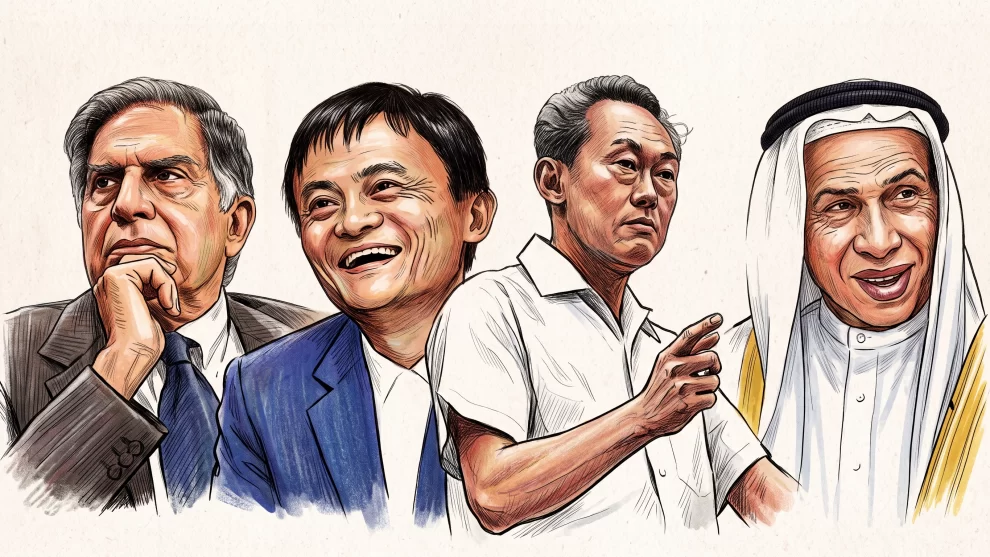
Ratan Tata: Leading Through Uncertainty
For Ratan Tata, leadership began under intense scrutiny. When he took charge of the Tata Group in the early 1990s, many doubted his ability to modernise a traditional conglomerate. Early investments, including the Tata Nano project, faced criticism and commercial challenges.
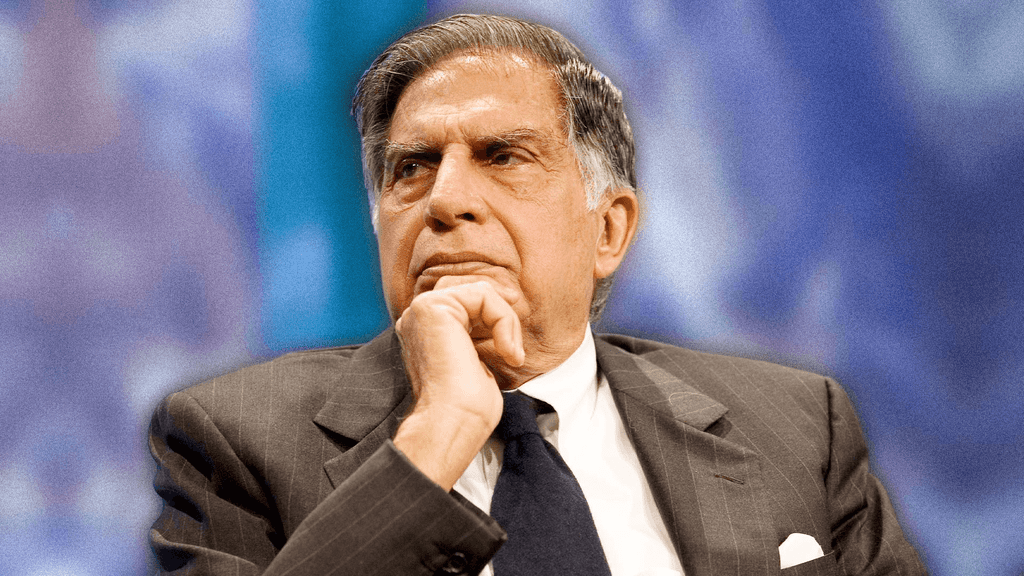
Global acquisitions such as Corus and Jaguar Land Rover initially appeared risky, placing financial pressure on the group. Yet Tata remained patient. He focused on governance, ethics, and long-term value rather than short-term applause. Over time, these decisions strengthened Tata’s global reputation. His career illustrates that principled leadership often requires enduring temporary setbacks.
Jack Ma: Rejection as a Training Ground
Before building Alibaba, Jack Ma faced repeated failures. He was rejected from universities, denied dozens of job applications, and even turned away by KFC. His early internet ventures struggled to gain credibility in China’s emerging digital economy.

Rather than retreat, Ma treated rejection as preparation. He invested in learning, team-building, and customer trust. When Alibaba finally gained momentum, it was built on years of persistence. His story reflects how emotional resilience and adaptability can transform personal disappointment into global success.
Lee Kuan Yew: Building a Nation from Fragility
Few leaders faced adversity on the scale of Lee Kuan Yew. When Singapore became independent in 1965, it lacked natural resources, economic security, and political stability. Many predicted failure.
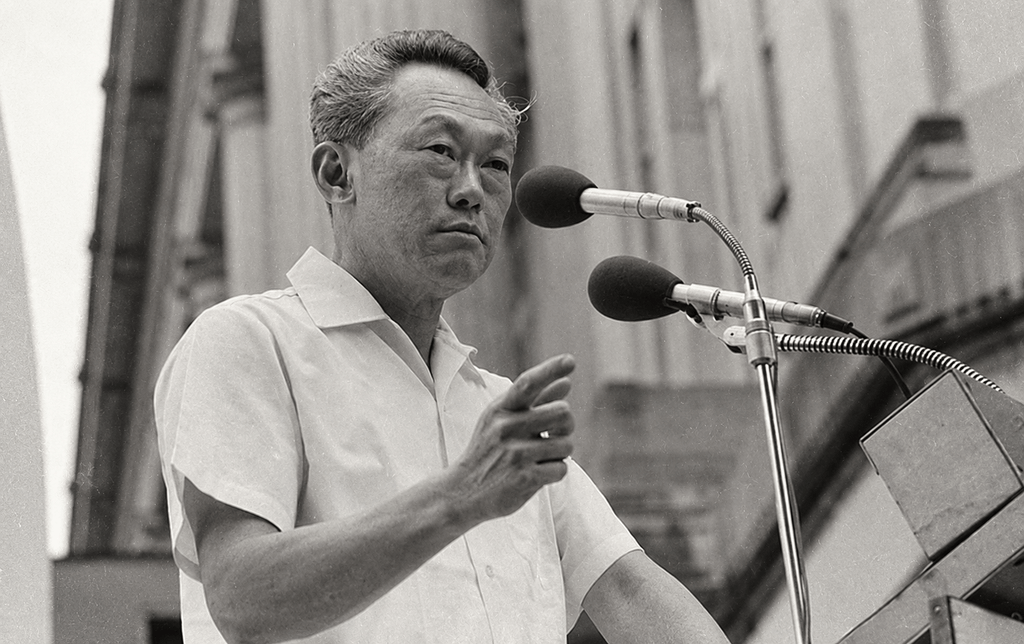
Lee confronted unemployment, housing crises, and regional insecurity with disciplined governance and uncompromising standards. Early policies were criticised as harsh, yet they established transparency and efficiency. Over decades, Singapore emerged as a global model of development. His leadership demonstrates how strategic patience can convert national vulnerability into lasting strength.
Majid Al Futtaim: Rebuilding After Financial Storms
In the Middle East, Majid Al Futtaim built a retail and real estate empire across challenging economic cycles. During regional downturns and global financial crises, his group faced debt pressure and slowing expansion.
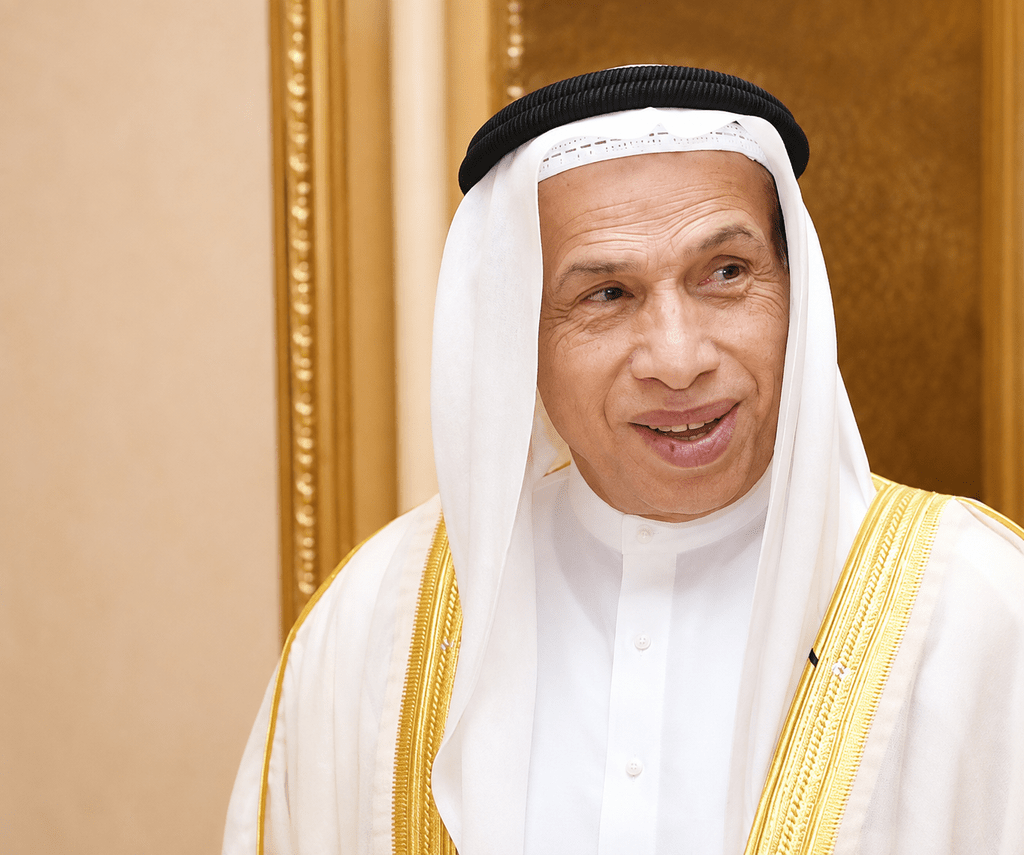
Rather than retreating, he restructured operations, prioritized sustainability, and invested in community-focused development. His long-term partnerships with global brands were reinforced through transparent governance. Today, his group stands as a benchmark for responsible growth in the region.
The Discipline of Resilience
These leaders differ in geography, culture, and sector. Yet their responses to failure share common traits: patience over panic, learning over denial, and purpose over ego. None treated setbacks as personal defeats. Instead, they viewed them as strategic feedback.
In an age that celebrates instant success, their stories offer a quieter lesson. Leadership is not measured by uninterrupted wins, but by the ability to remain composed when plans collapse. Failure, when approached with humility and clarity, becomes a tool for refinement.
For emerging leaders, the message is clear: setbacks are not interruptions to success. They are part of its architecture.