As the nation approaches another important electoral moment, public conversation naturally turns toward hopes for the future. Beyond political slogans and campaign rhetoric, ordinary citizens share a set of simple, consistent expectations. These are not demands shaped by ideology but reflections of everyday life, how people travel, learn, work, and interact with public institutions.
Across social and economic backgrounds, five priorities emerge repeatedly. Together, they form the foundation of public confidence and long-term national progress.

Better Public Services
For most citizens, governance is experienced not through speeches, but through services. Hospitals, transport systems, utility providers, and administrative offices shape daily life. People aspire to public services that are accessible, efficient, and respectful.

Simple improvements like shorter waiting times, clearer procedures, and digital platforms can significantly reduce frustration. When services function smoothly, trust grows naturally. A responsive public system allows citizens to focus on productivity rather than paperwork.
Quality Education
Education remains the most enduring investment in a nation’s future. Families consistently express the desire for learning environments that nurture critical thinking, creativity, and character, not merely examination performance.
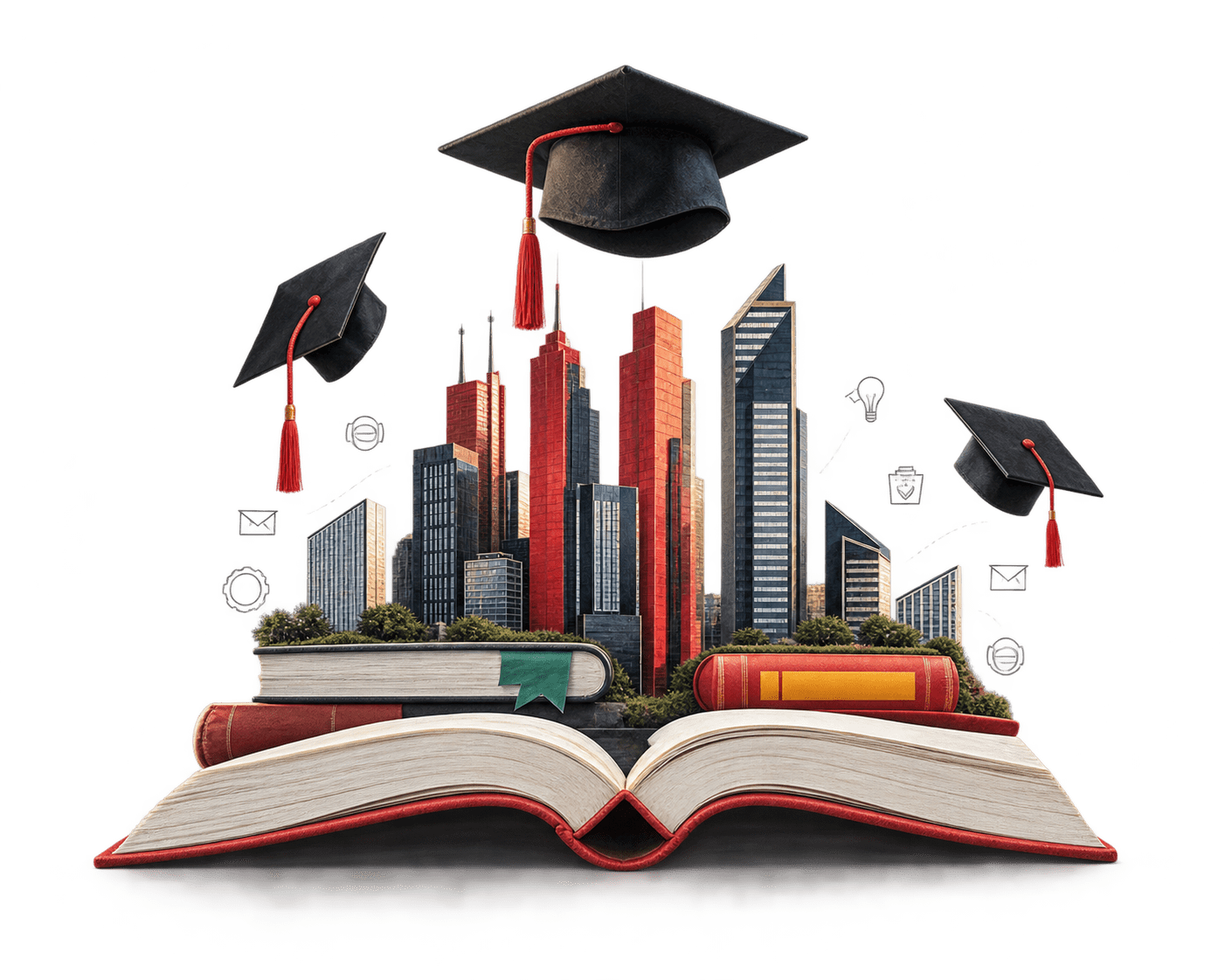
Public expectation now extends beyond classroom infrastructure. Teacher training, modern curricula, digital literacy, and industry-relevant skills are increasingly important. Equally vital is ensuring that quality education is available beyond major cities, allowing talent from all regions to flourish.
A strong education system strengthens social mobility and prepares young people to compete in a global economy.
Public Safety
Safety is fundamental to dignity and opportunity. Whether commuting to work, managing businesses, or sending children to school, citizens seek reassurance that public spaces are secure.
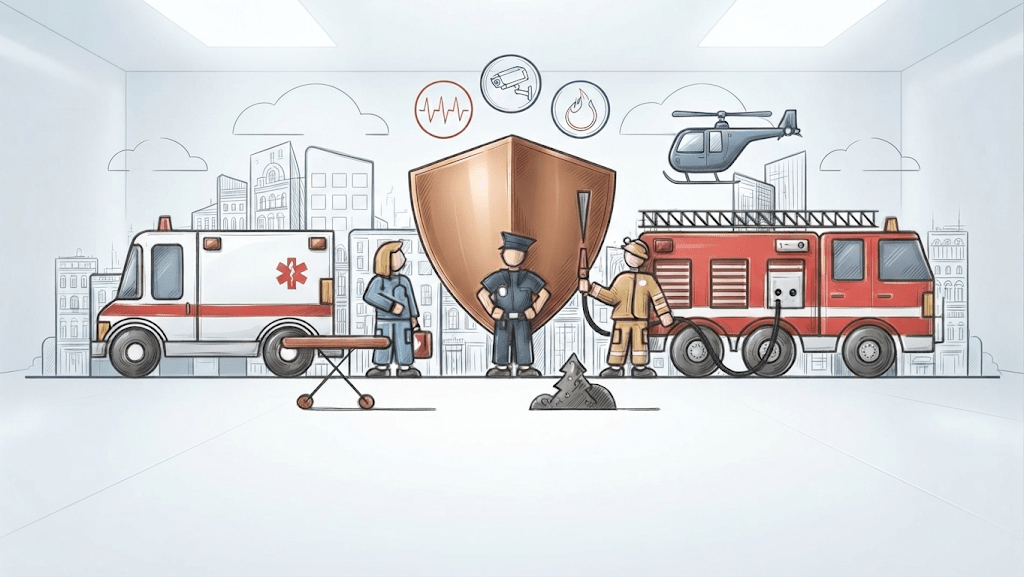
This expectation is not limited to law enforcement alone. It includes better lighting, organised traffic systems, emergency responsiveness, and community engagement. When people feel protected, economic activity expands and social interaction becomes more confident.
Public safety, in this sense, is not only about prevention, it is about building an environment of mutual respect and responsibility.
Cleaner Cities
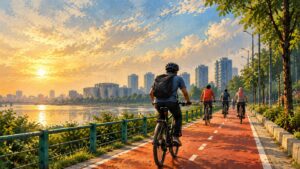
Urban centres are increasingly central to national development. Yet rapid growth has brought challenges in waste management, air quality, drainage, and public hygiene.
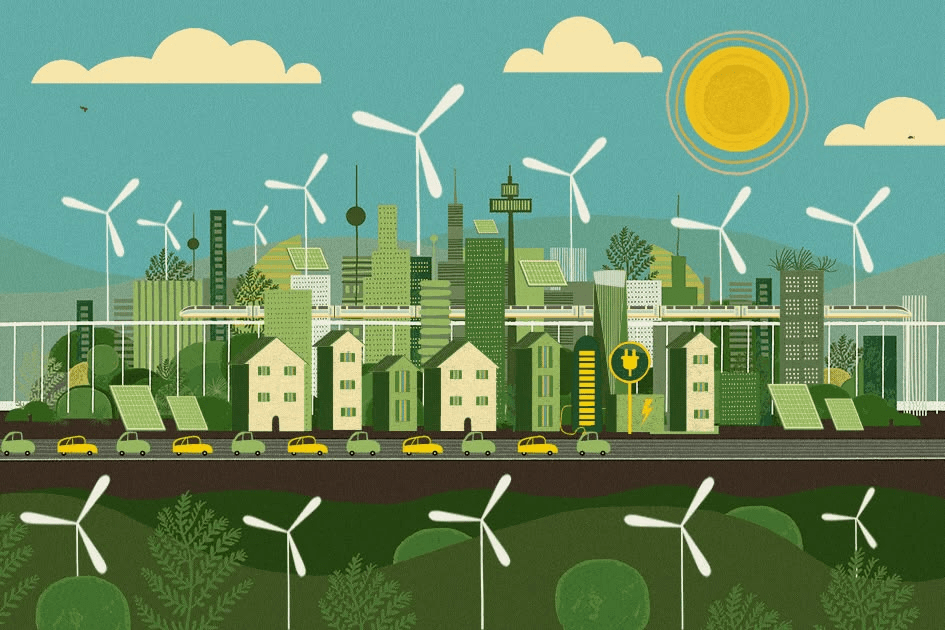
Citizens aspire to cities that are not only functional but liveable. Efficient waste collection, greener public spaces, responsible construction practices, and water management are now essential expectations. Clean cities improve public health, attract investment, and enhance civic pride.
Environmental awareness, combined with effective municipal coordination, can transform urban living standards over time.
Accountability and Trust
Perhaps the most unifying expectation is accountability. People value institutions that are transparent, predictable, and fair. They want decisions to be explained, rules to be applied consistently, and feedback to be taken seriously.

Accountability strengthens confidence in public systems. When citizens believe their concerns are heard and addressed, cooperation replaces confrontation. Digital monitoring tools, open data platforms, and independent oversight mechanisms can play constructive roles in this process.
Trust is built gradually, through consistent action rather than promises.
A Shared Vision
These five expectations of better services, quality education, public safety, cleaner cities, and accountability, are interconnected. Progress in one area reinforces the others. Together, they reflect a desire for stability, dignity, and opportunity.
As the country moves forward, these priorities offer a common ground for dialogue. They remind us that beyond political cycles, citizens ultimately seek a society that enables them to live, learn, and contribute with confidence.
In this shared aspiration lies the true strength of democracy.