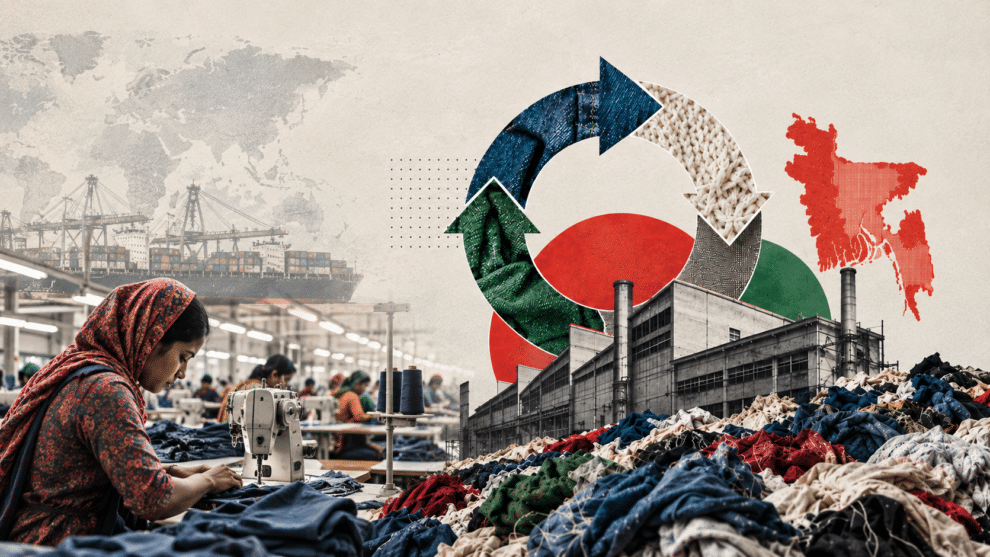
For four decades, Bangladesh built its garment industry on speed and scale, stitching together an economy that clothed the world at a price nobody else could match. That formula is now meeting a quieter, more demanding force out of Brussels, one that measures success not in units shipped but in materials recovered.
The EU’s Ecodesign for Sustainable Products Regulation, known as ESPR, is turning waste reduction from a marketing slogan into a legal condition of market access. Under its provisions, garments sold in Europe will eventually need to prove their durability, their recyclability, and their journey through a supply chain that can be traced from fiber to finished seam. Overproduction, once an accepted cost of fast fashion, is becoming a liability that regulators are actively designing against.

A shift beneath the surface
For Bangladesh, whose garment sector still leans heavily on the European market for more than half its export earnings, this is not a distant policy debate. It is a direct rewriting of what buyers will require before they place an order. Brands sourcing from Dhaka and Chittagong will increasingly demand documentation on fiber origin, chemical inputs, and end of life recyclability, feeding into the EU’s planned Digital Product Passport. Factories that cannot supply this data risk losing contracts to competitors who can.
The temptation is to treat all this as another burden layered onto an industry already managing thin margins, rising energy costs, and mounting competition from Vietnam and India. Yet framing ESPR purely as a compliance hurdle misses the more interesting story unfolding underneath it.
Circularity as a competitive edge
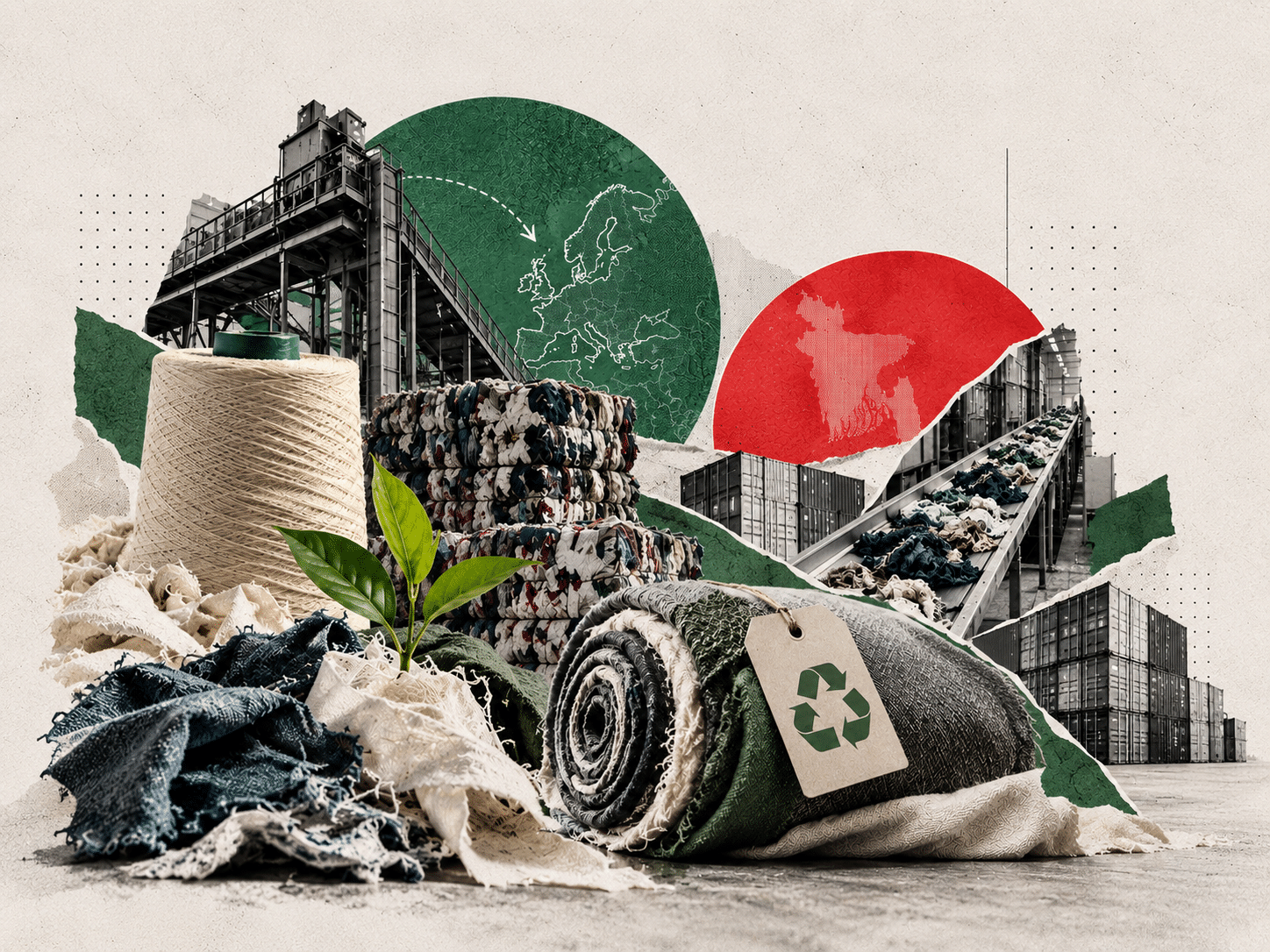
Some manufacturers have started reading the regulation differently, as an invitation to build capabilities competitors have not yet developed. Recycling infrastructure, fabric take back programs, and closed loop production are no longer niche investments reserved for sustainability reports. They are becoming the entry ticket to premium contracts, the kind that reward traceability and low waste with better pricing and longer term partnerships.
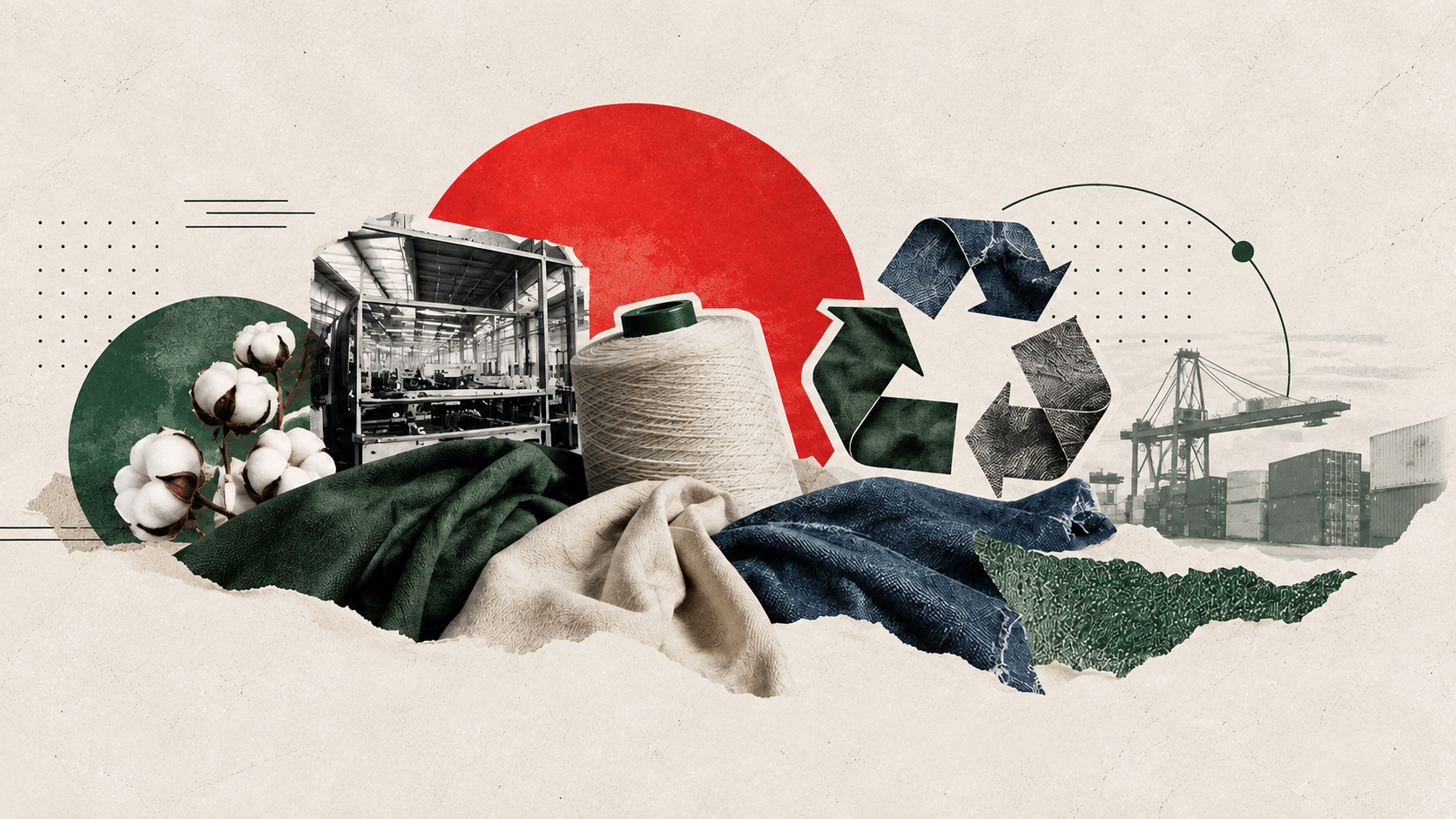
Bangladesh already possesses something few rivals can claim, a manufacturing base dense enough to make circular supply chains genuinely feasible. Cutting waste recovery, recycled fiber blending, and localized textile to textile recycling could all be scaled within existing industrial clusters rather than built from nothing.
Beyond cost as the only argument
The bigger question facing policymakers and industry leaders alike is whether Bangladesh treats this moment as a turning point or merely survives it. Competing on low cost alone has always carried an expiration date, and rivals with newer infrastructure or friendlier trade terms are closing the gap. Circular production offers an alternative narrative, one where resilience and resource efficiency become the new source of advantage.
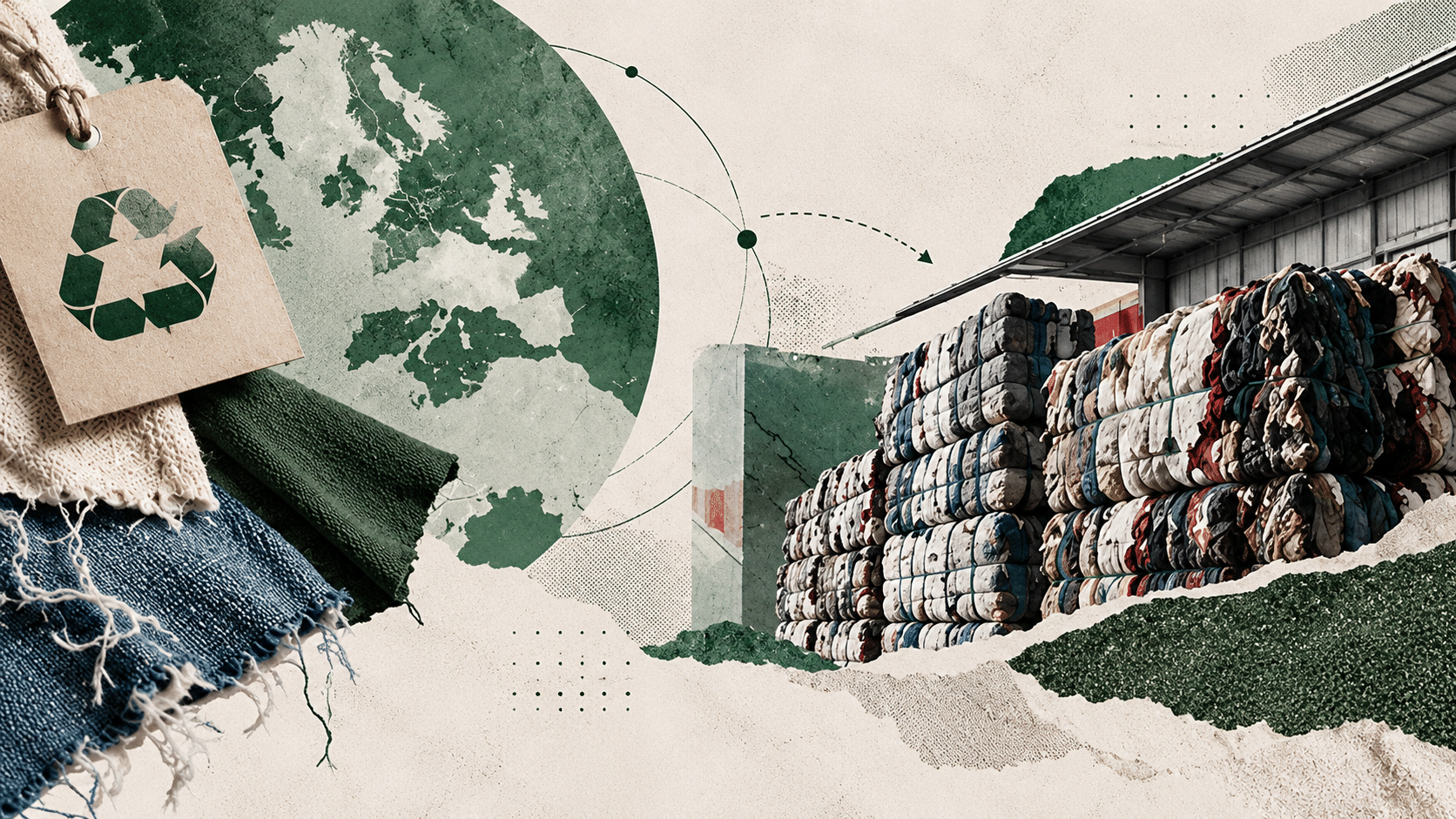
If the country’s manufacturers, government agencies, and trade bodies align around this shift, Bangladesh could emerge not just compliant with Europe’s green rules but shaped by them into a more durable, higher value economy. The next industrial revolution will not be won by whoever produces the most. It will belong to whoever wastes the least.