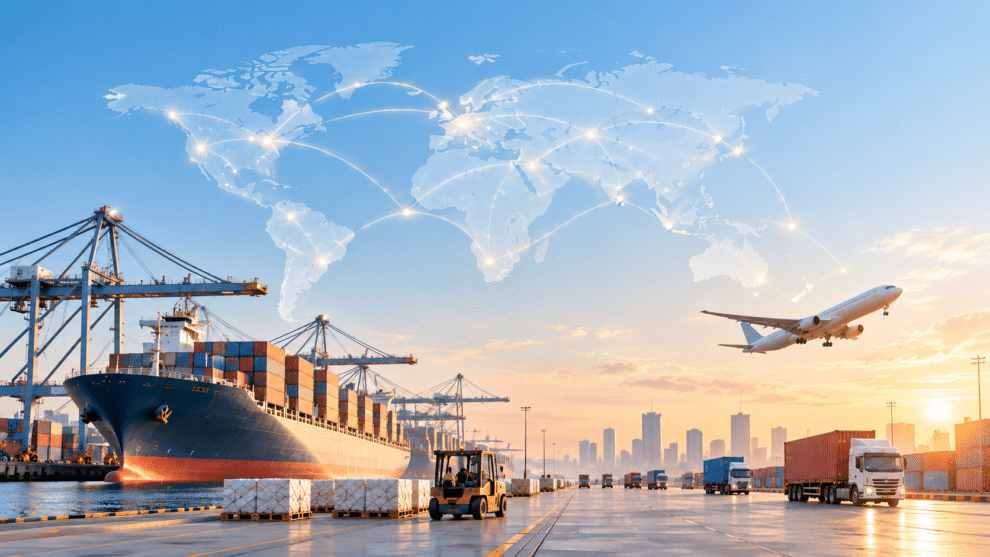
In today’s digital-first economy, diplomacy is no longer confined to embassies, summits, and treaties. Increasingly, it plays out through the invisible pipelines of global trade: e-commerce platforms. From Amazon and Alibaba to regional players like Flipkart and Daraz, these platforms don’t just sell products; they shape international trade flows, consumer behavior, and even political relationships. This is the emerging field of e-commerce diplomacy, where technology and trade converge.

The Rise of Digital Trade Corridors
E-commerce has created a new kind of borderless marketplace. Platforms connect sellers from one country to buyers halfway across the world; often bypassing traditional intermediaries. For example, a Bangladeshi entrepreneur can sell handicrafts directly to customers in Europe through Etsy, or a Chinese manufacturer can reach millions of American homes via Amazon.

This creates what some economists call “digital trade corridors.” Unlike traditional trade routes, these corridors rely on algorithms, payment gateways, and digital logistics chains. Their reach is vast, and their influence rivals that of traditional trade agreements.
Platforms as Global Actors
Major platforms now act like quasi-diplomatic entities. Alibaba’s “eWTP” (Electronic World Trade Platform) initiative works directly with governments to promote small and medium enterprise (SME) exports. Amazon partners with trade bodies worldwide to onboard local sellers into global markets. Even smaller platforms negotiate cross-border logistics, payment rules, and data-sharing regulations with states.

In this sense, platforms are no longer neutral actors; they are shaping global commerce and policy, sometimes even faster than governments can respond.
The Challenges of Cross-Border E-commerce
But this digital trade revolution is not without challenges. Cross-border e-commerce raises questions that touch directly on diplomacy and sovereignty:
- Data Governance: Where should consumer data be stored, and who owns it? Countries are increasingly clashing over digital sovereignty.
- Taxation: How do you tax a seller in one country selling to a buyer in another when the platform is headquartered in a third?
- Trade Barriers: Tariffs may not apply to digital platforms, but customs rules, shipping restrictions, and compliance standards create friction.
- Fair Competition: Local retailers often argue that global e-commerce giants threaten their survival. Governments must balance protectionism with consumer choice.
These issues make e-commerce not just a business matter, but a diplomatic puzzle.
Opportunities for Emerging Economies
For countries like Bangladesh, e-commerce diplomacy presents opportunities to leapfrog traditional trade hurdles. By leveraging platforms, small businesses and artisans can bypass export bottlenecks and directly reach international markets.
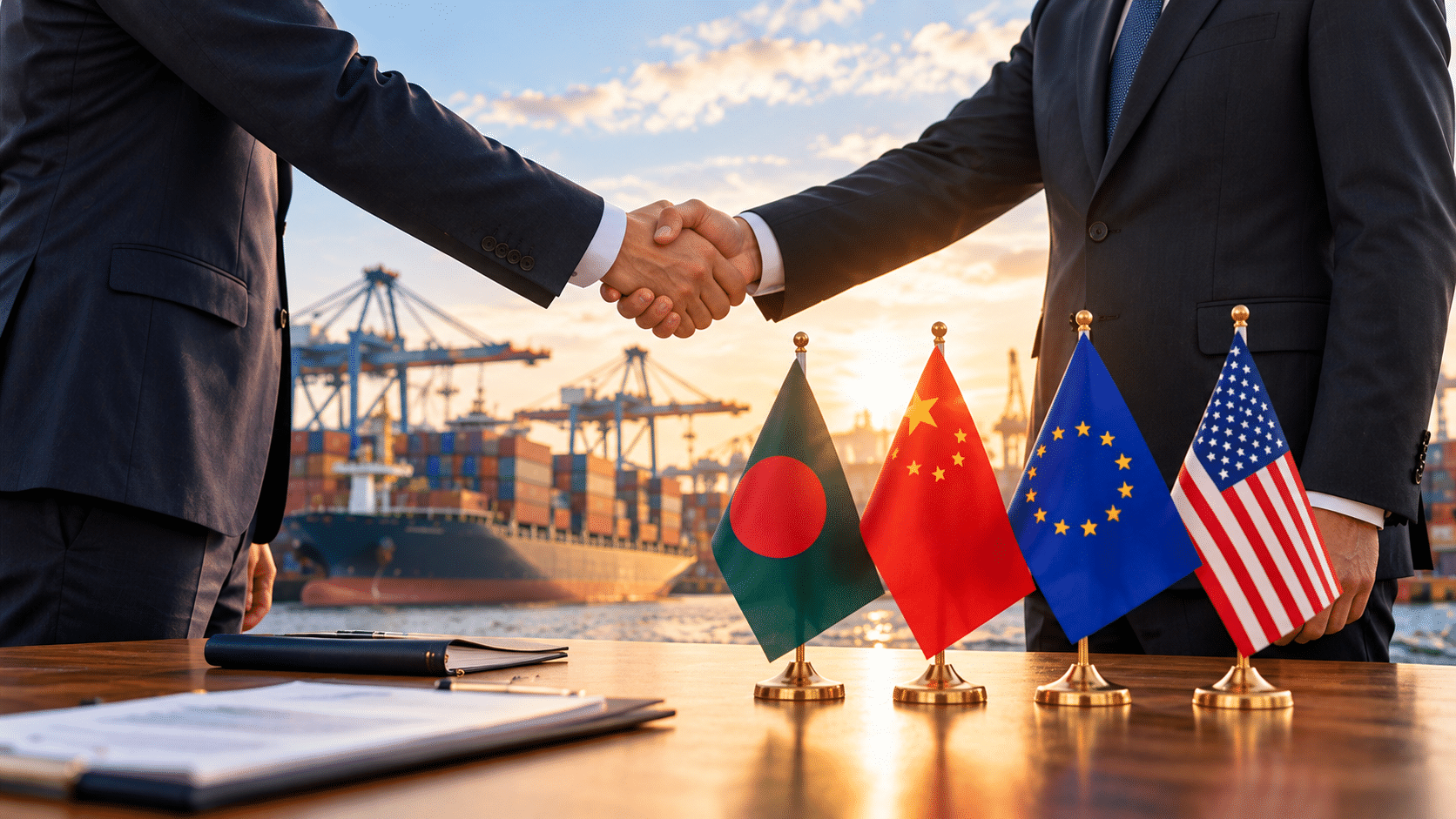
Bangladesh has already seen this with ready-made garments (RMG) and handicrafts finding customers through platforms like Amazon, eBay, and Daraz (a local platform owned by Alibaba). Strategic partnerships with global e-commerce players could help diversify exports, empower rural entrepreneurs, and build stronger digital infrastructure.
At the same time, Bangladesh faces the challenge of ensuring that local sellers are trained, equipped, and digitally literate enough to compete globally. This is where policy, education, and private-sector collaboration intersect.
The Future of E-commerce Diplomacy
The future of e-commerce diplomacy will likely include:
- Digital Trade Agreements: Countries negotiating specific clauses for cross-border e-commerce within trade pacts.
- Platform-State Partnerships: Governments and platforms collaborating on logistics, tax frameworks, and SME onboarding.
- Consumer Protection Standards: Global rules to safeguard buyers from fraud, unsafe goods, or unfair practices.
- Tech-Driven Diplomacy: Nations using e-commerce ecosystems as part of their soft power strategies.
Ultimately, e-commerce diplomacy reflects a wider truth: global trade is no longer confined to ports and borders, it now flows through servers, apps, and digital marketplaces. The challenge for policymakers is to craft frameworks that balance innovation with fairness, and opportunity with regulation.
E-commerce is more than a marketplace; it is a new frontier of diplomacy. Platforms are bridging borders, reshaping economies, and reimagining how nations connect. As governments, businesses, and consumers adapt to this reality, one thing is clear: the future of diplomacy won’t only be negotiated in conference halls, it will also be transacted in shopping carts.