In an increasingly interconnected world, global trade may appear seamless—but in reality, it depends heavily on a handful of narrow maritime corridors. These strategic chokepoints carry the bulk of the world’s energy supplies, manufactured goods, and raw materials. When disrupted, they can trigger immediate consequences—from rising fuel prices to supply chain shocks.
Recent tensions surrounding the Strait of Hormuz have once again underscored how geography continues to dictate global economic stability.
Strait of Hormuz (Middle East)
The Strait of Hormuz is widely regarded as the most critical oil transit chokepoint in the world. Connecting the Persian Gulf to the Gulf of Oman, it facilitates the movement of nearly one-fifth of global petroleum consumption.
What makes it uniquely sensitive is its lack of viable alternatives—any disruption forces global markets to react almost instantly. For major importers in Asia, including China, India, and Japan, stability in Hormuz is directly tied to energy security and economic continuity.

Strait of Malacca (Southeast Asia)
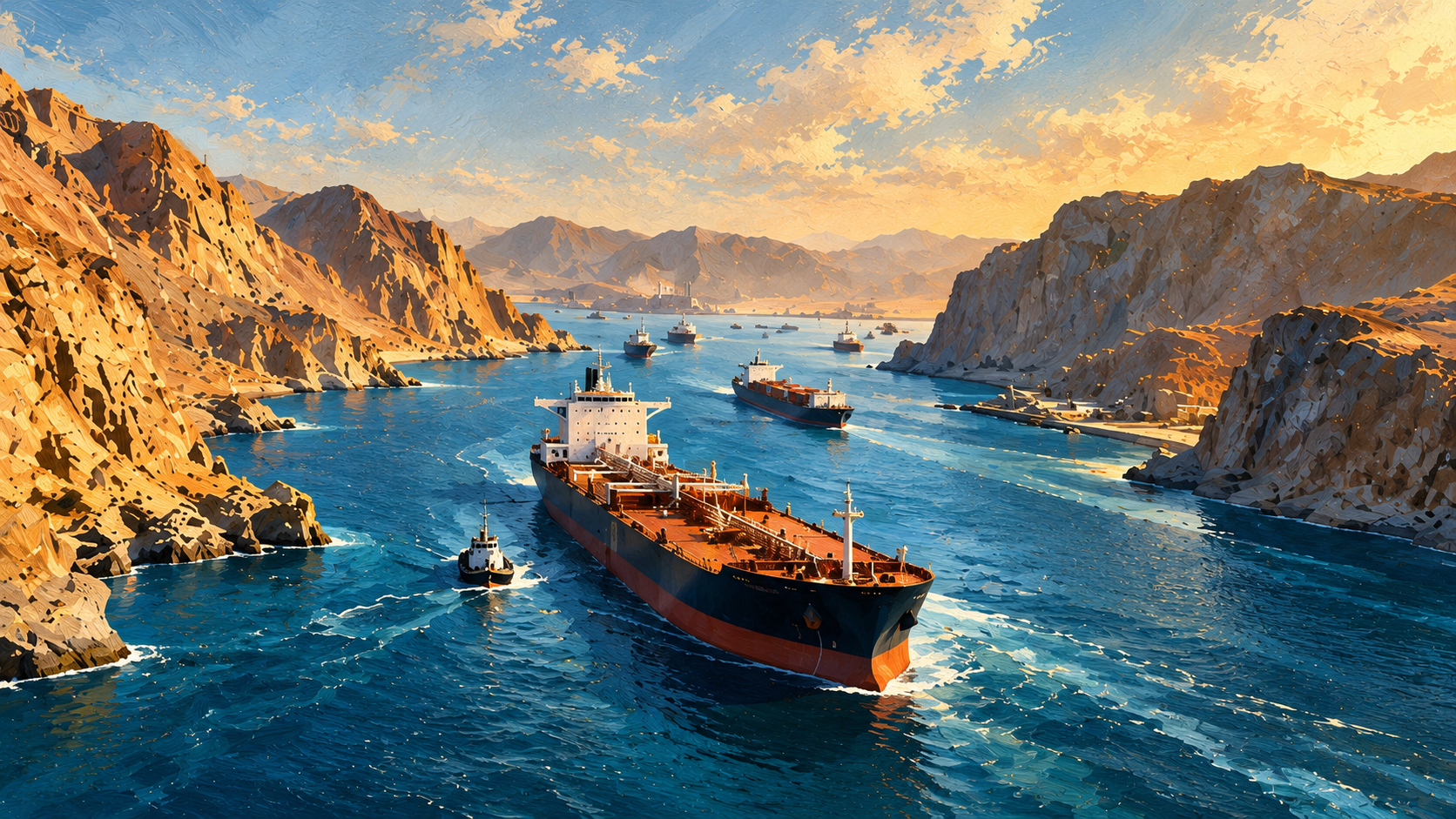
The Strait of Malacca is one of the busiest and most strategically significant shipping lanes in the world. Positioned between Malaysia, Indonesia, and Singapore, it acts as the primary maritime link between the Indian Ocean and the Pacific.
Each year, more than 80,000 vessels pass through this narrow corridor, carrying everything from crude oil to consumer goods. A blockage here would force ships to reroute via longer, costlier paths—disrupting trade flows and increasing global shipping costs significantly.
Suez Canal (Egypt)
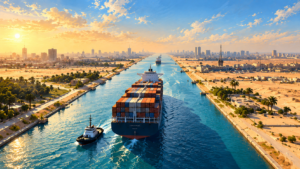
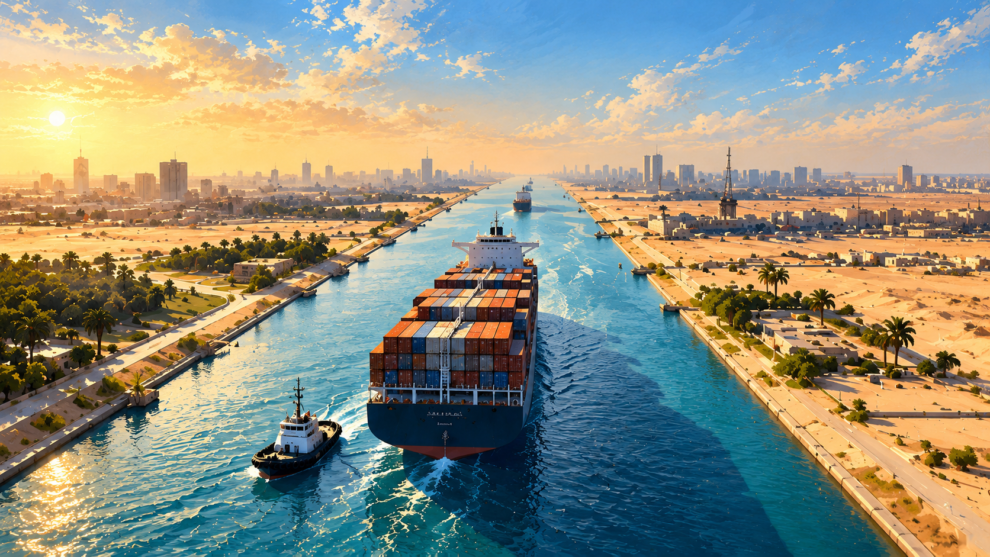
The Suez Canal is a vital artificial waterway that connects Europe and Asia. Approximately 12% of global trade passes through this route, making it one of the most economically important passages in the world.
Its fragility became evident during the 2021 Ever Given incident, when a single grounded vessel halted traffic for nearly a week, causing billions of dollars in losses. The episode highlighted how even short-term disruptions can have outsized global consequences.
Panama Canal (Central America)
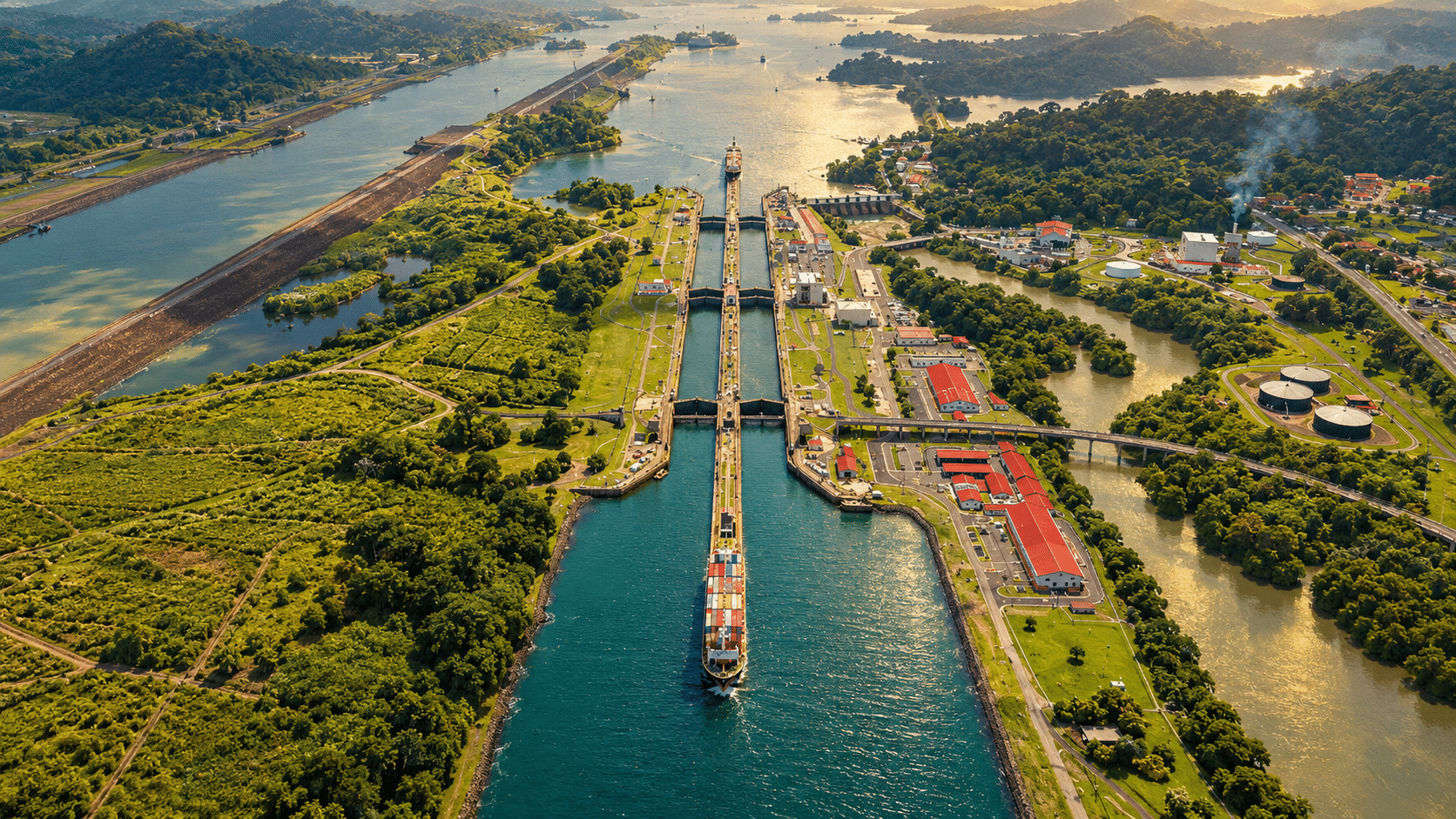
The Panama Canal plays a pivotal role in connecting the Atlantic and Pacific Oceans. By eliminating the need to navigate around South America, it shortens global shipping routes by thousands of kilometers.
Handling around 14,000 ships annually, the canal is essential for trade between the Americas and Asia. However, it faces increasing challenges from climate change, particularly water shortages that have already begun to restrict vessel movement and capacity.
Bab el-Mandeb Strait (Red Sea–Gulf of Aden)
The Bab el-Mandeb Strait serves as the southern gateway to the Suez Canal, linking the Red Sea to the Indian Ocean. It is a crucial passage for oil shipments and commercial goods moving between Europe, Asia, and Africa.
Given its proximity to politically volatile regions, this chokepoint is highly vulnerable to conflict and piracy. Any instability here can effectively disrupt access to the Suez Canal, amplifying risks across global supply chains.
A Fragile Global Backbone
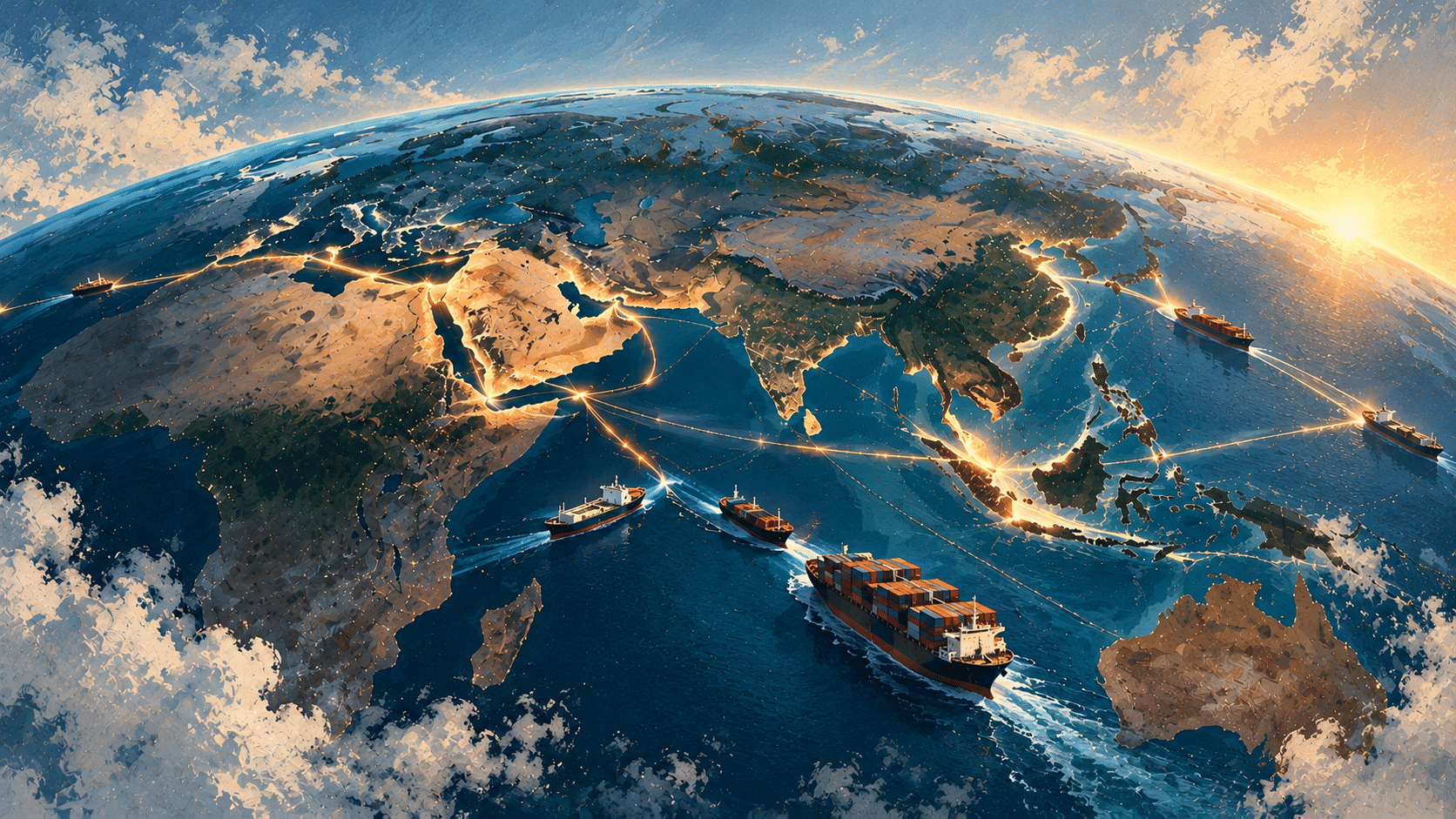
According to the International Energy Agency, these chokepoints collectively handle a substantial portion of global energy and trade flows. Their strategic importance lies not just in volume, but in vulnerability.
In an age defined by globalization, these narrow waterways remain powerful reminders that the world’s economic engine still runs through a few critical—and fragile—passages.