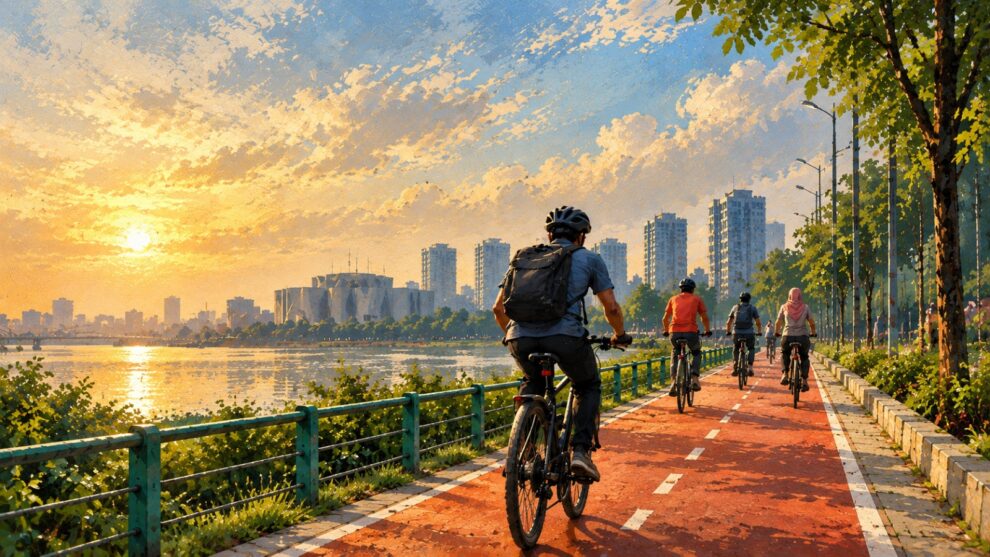
Dhaka, Bangladesh’s vibrant capital, is often synonymous with traffic congestion, pollution, and urban chaos. Yet, a cycling shift is emerging. With dedicated lanes in Agargaon and Manik Mia Avenue, 36 routes covering 411 kilometers, and a rising cycling community, the city is inching toward bike-friendliness. Challenges like illegal lane use, disjointed infrastructure, and safety issues persist, but cycling’s economic, environmental, and health benefits are clear. Through cohesive planning, infrastructure growth, and policy backing, Dhaka could transform into a cycling-centric urban hub.
The Contemporary Cycling Culture in Dhaka
Dhaka, among the globe’s most crowded cities, houses around 24 million residents, with estimates indicating a rise past 25 million by late 2025. This swift urban growth has worsened transport issues, positioning cycling as a promising solution. Per the WBB Trust’s 2017 findings, just 2% of Dhaka’s trips involve bicycles a small number reflecting both low usage and room for expansion. The city offers 36 cycling routes spanning 411 kilometers, serving diverse needs, from brief 0.6-kilometer trips to extensive 63.9 kilometer rides. Yet, these paths are disjointed and inadequate for Dhaka’s vast, intricate layout.
The cycling scene is expanding, fueled by Cyclists groups mostly founded in around 2011. MD Kaiser Hossain from Bangladesh’s top cycling network, observes changing trends, especially among office workers tackling the city’s infamous congestion. Still, cycling remains male dominated, with women and kids seldom riding, revealing deeper social and safety barriers that need resolution for broader appeal.
Dhaka’s Cycling Hurdles
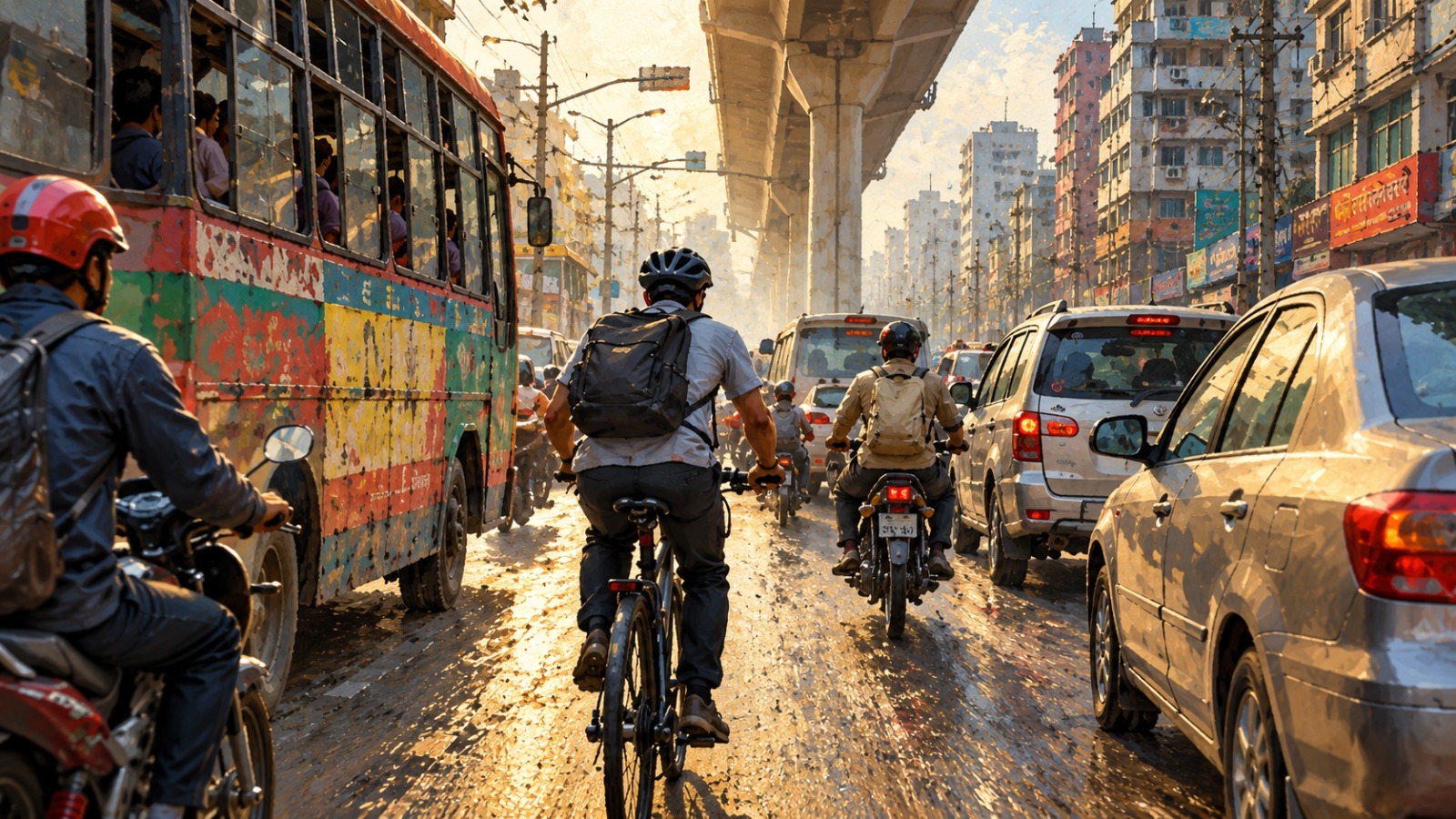
Cycling promotion in Dhaka has accelerated recently. The Dhaka North City Corporation (DNCC) has launched dedicated cycling lanes in Agargaon and Manik Mia Avenue under a Tk 694 crore urban project. Though promising, these efforts face hurdles. Illegal encroachments and the absence of a connected network reduce their utility, leaving lanes as isolated features rather than functional transport options. Safety remains a pressing issue. Cyclist Janifar Rahman, who rides from Mohammadpur to Mirpur, told The Daily Star that sharing roads with trucks and buses is daunting. Chaotic traffic and motorists’ disregard for cyclists foster a hostile environment, deterring many. Bicycle theft and inadequate emergency support add further barriers. Urban expert Adil Mohammed Khan, in a Daily Star interview, stressed integrated planning over standalone infrastructure, warning against blindly copying foreign models. For Dhaka to embrace cycling, it needs a cohesive network prioritizing connectivity, safety, and accessibility.

Cycling Dilemma
In Dhaka, Bangladesh’s capital, shifting to a cycling friendly city is complex due to traffic congestion, safety issues, cultural stigma, and poor cycling infrastructure. Many view cycling as a low-income option, discouraging the middle and upper classes. Dangerous roads, reckless driving, and poor traffic enforcement make it risky. Still, a 2023 Daily Star study shows cycling infrastructure pays off, with a 5:1 to 35.5:1 benefit-to-cost ratio each taka invested could save up to Tk 35 via lower healthcare costs, less traffic, and better productivity. Cycling fights obesity and pollution, improving health and cutting emissions while offering affordable mobility for the poor. The Dhaka North City Corporation is expanding infrastructure, but broader efforts with planners and groups like the Cyclists community are key. With commitment, cycling could make Dhaka safer and healthier.
Two-wheel, one solution!
Dhaka can learn from Amsterdam, Copenhagen, Bogotá, and Seville, where cycling thrives due to transformed transportation systems. These cities show that with political commitment, smart planning, and consistent funding, car centric cities can shift to cycling friendly ones using protected lane networks, traffic calming, and supportive policies and education.
Integrating Cycling into Dhaka’s Transportation System
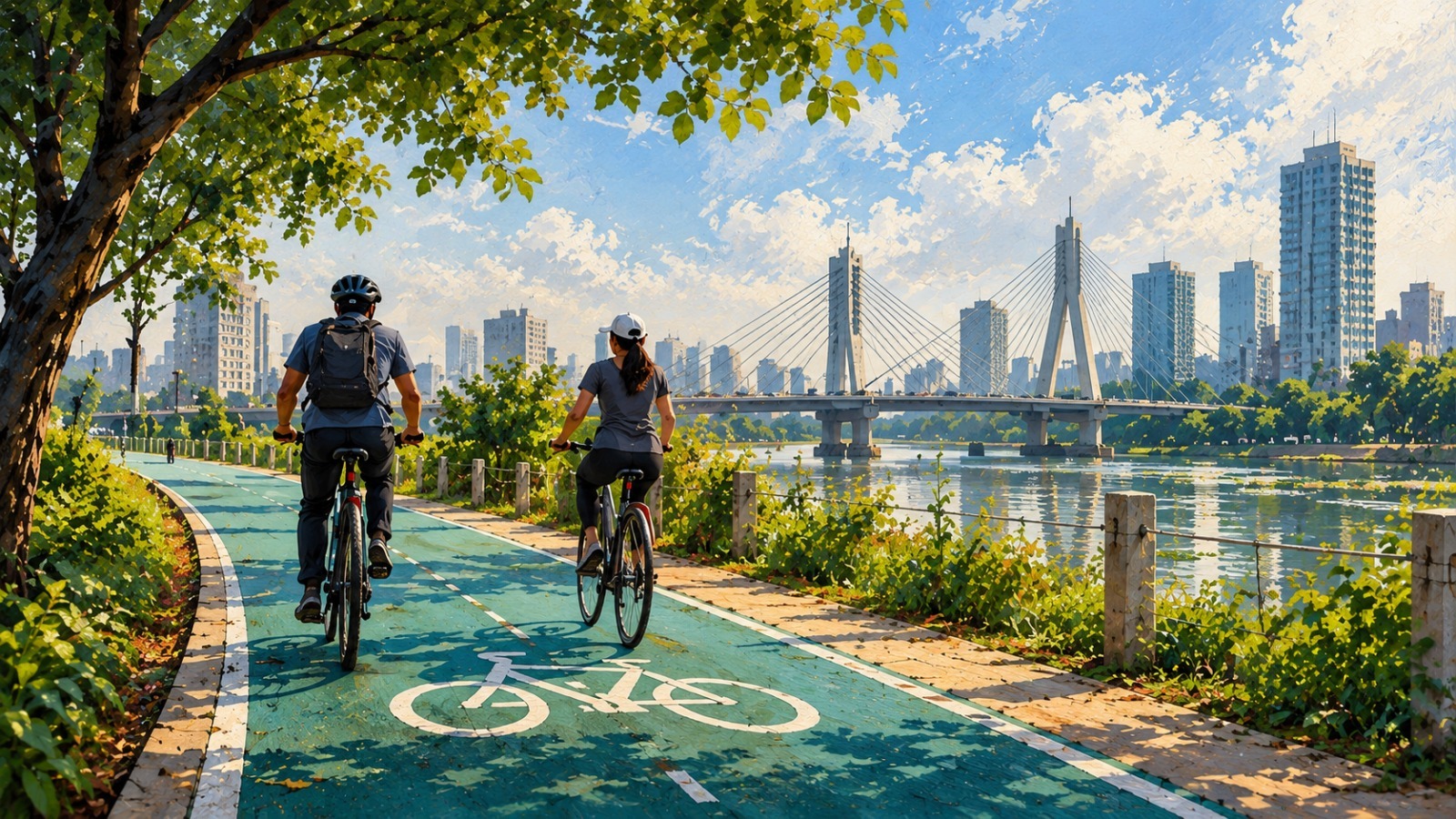
To transform Dhaka into a cycling-friendly city, a comprehensive strategy tackling infrastructure, policy, safety, and cultural barriers is essential. The focus must be on creating a cohesive network of protected cycling lanes linking homes, schools, workplaces, and commercial hubs. These lanes need safeguarding from encroachment and must remain functional. Reports indicate that only a small single digit percentage of Dhaka’s residents cycle, so boosting cyclist numbers is key the more riders, the stronger the push for infrastructure. Additionally, the stigma tying cycling to poverty must be erased through celebrity endorsements and awareness campaigns. Policy measures like tax breaks on bike purchases and employer incentives for cycling commuters can spur participation. Tackling the gender gap in cycling is equally vital, requiring efforts such as promoting female role models, ensuring safe lanes and parking, and forming women’s cycling groups to foster support and community.
Final Take
Transforming Dhaka into a cycling city is a challenging yet worthwhile endeavor. The economic, health, environmental, and social advantages of cycling strongly justify investments in infrastructure and supportive policies. Despite obstacles, the dedication of city leaders, advocacy from cycling groups, and lessons from other cities offer a path forward. By taking gradual steps and tackling barriers, Dhaka can evolve into a place where cycling is safe, practical, and widely embraced. The journey is long, but each effort moves the city toward a sustainable, livable future. Dhaka’s residents have suffered enough from elevated expressways, metro rail, and transit projects that fail to ease traffic woes. Citizens should no longer tolerate the intolerable. Cycling saves time, money, and health while benefiting the environment a solution environmentalists have long championed by urging less fuel consumption. With focus on infrastructure, safety, and breaking social stigma, Dhaka can indeed become a cycling city.