In a world where stress, burnout, and lifestyle-related illnesses have become everyday realities, travel is no longer just about sightseeing. Increasingly, people are boarding planes not to explore landmarks but to restore balance, recharge energy, and heal. Welcome to the world of wellness tourism, an industry that has grown from a niche luxury into one of the fastest-expanding segments of global travel.

What Is Wellness Tourism?
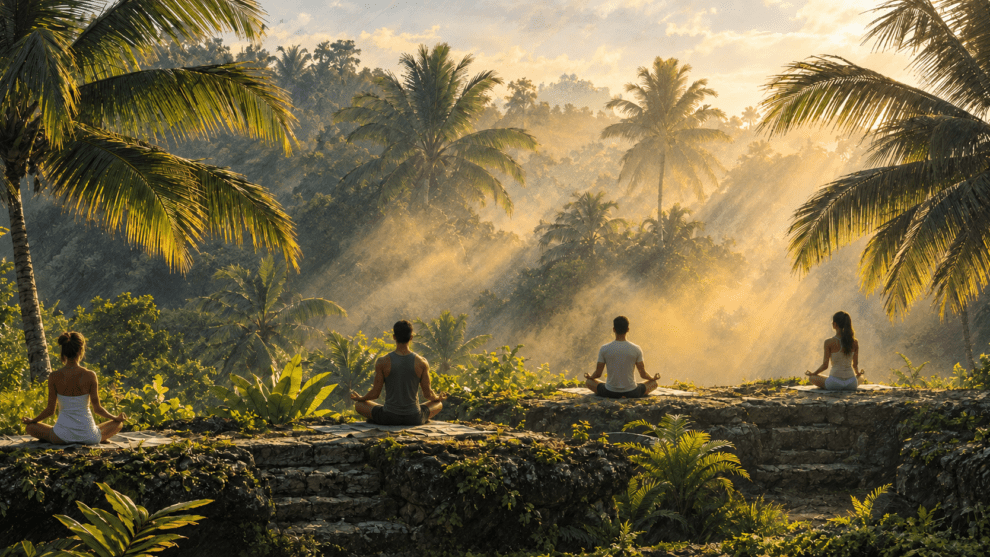
Wellness tourism is defined as travel associated with maintaining or enhancing personal well-being. Unlike traditional vacations that often revolve around leisure, sightseeing, or indulgence, wellness trips focus on mental, physical, and spiritual health. They can include yoga retreats in Bali, Ayurveda treatments in Kerala, spa resorts in Thailand, mindfulness programs in Bhutan, or even medical wellness centers in Switzerland.

These experiences tap into the universal desire for a healthier, longer, and more fulfilling life—making wellness a compelling reason to travel.
Why People Travel to Heal
The motivation behind wellness tourism lies in modern living. Rising work pressures, digital fatigue, and health concerns such as obesity, anxiety, and lifestyle diseases have left many seeking more purposeful escapes. People are no longer satisfied with holidays that leave them feeling drained; instead, they want to return home renewed.
Wellness tourism appeals because it offers:
- Stress relief through yoga, meditation, and nature immersion.
- Detox and rejuvenation with specialized diets, spa therapies, and holistic treatments.
- Preventive healthcare, as travelers invest in retreats before illness strikes.
- Personal growth, with workshops on mindfulness, emotional intelligence, or fitness.
It is not just about indulgence but about creating sustainable changes in everyday life.
The Global Boom
According to the Global Wellness Institute (GWI), the wellness tourism industry was valued at over $720 billion in 2019, and despite setbacks during the pandemic, it is projected to cross $1 trillion by 2025. Countries like India, Thailand, Indonesia, and Costa Rica are emerging as global wellness destinations thanks to their rich traditions of healing and natural beauty. Meanwhile, developed nations such as Switzerland, Japan, and the U.S. are investing in luxury medical spas and integrated health resorts.
The demand is not limited to high-net-worth travelers. Increasingly, middle-class professionals are prioritizing wellness in their travel budgets, seeing it as an investment in long-term health rather than a luxury splurge.
Wellness Tourism in South Asia
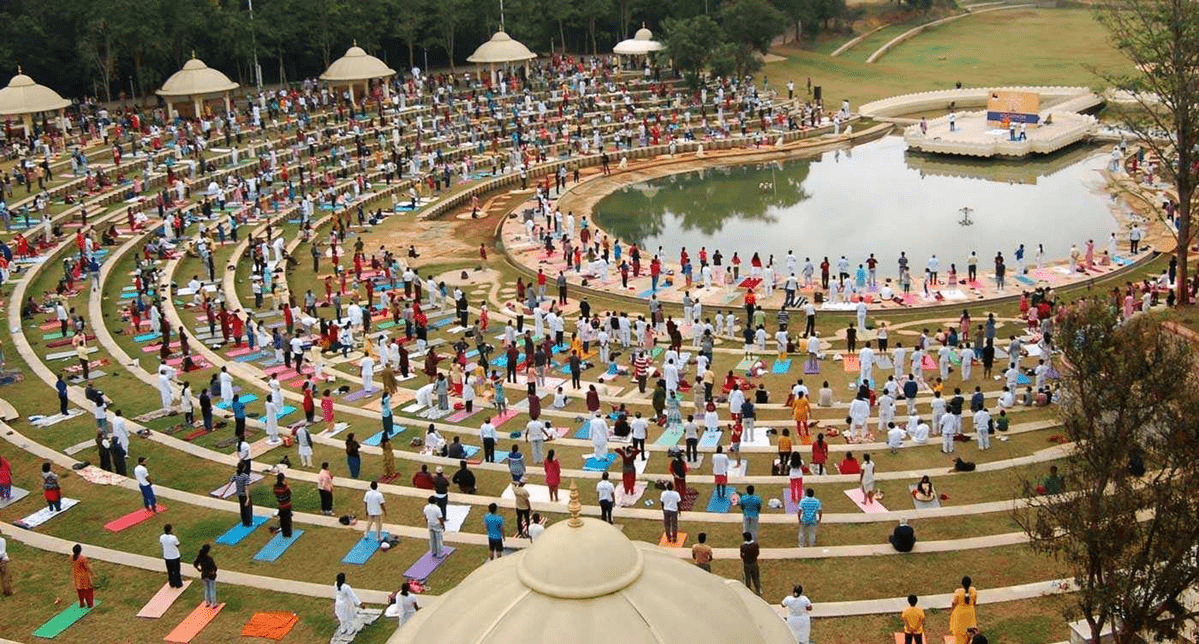
South Asia, with its deep heritage of Ayurveda, yoga, and natural healing, has become a magnet for wellness seekers worldwide. India’s Kerala is often dubbed the “Ayurveda capital,” while Sri Lanka’s wellness retreats attract those looking for holistic healing near nature. Bhutan promotes itself as a “happiness destination,” combining spirituality with sustainability.
Bangladesh, too, holds untapped potential. With serene coastal zones like Cox’s Bazar, the lush tea estates of Sylhet, and its growing spa culture, the country could position itself as an affordable wellness destination for regional travelers in the future.
Challenges Ahead
Despite its growth, wellness tourism faces hurdles. Critics argue that some retreats commodify culture—turning ancient practices into Instagram aesthetics. Others highlight the risk of “wellness-washing”, where businesses market luxury spas as wellness without offering genuine health benefits. Ensuring authenticity, quality standards, and accessibility will determine whether the industry remains sustainable.
The Future of Wellness Travel
The future of wellness tourism lies in integration. Instead of being an occasional luxury, it is likely to merge with mainstream travel. Business hotels are adding meditation rooms, airports are introducing spa lounges, and eco-resorts are combining sustainability with holistic health. Technology, too, will play a role—imagine AI-powered personalized wellness plans that adapt to a traveler’s stress levels, diet, or sleep patterns.