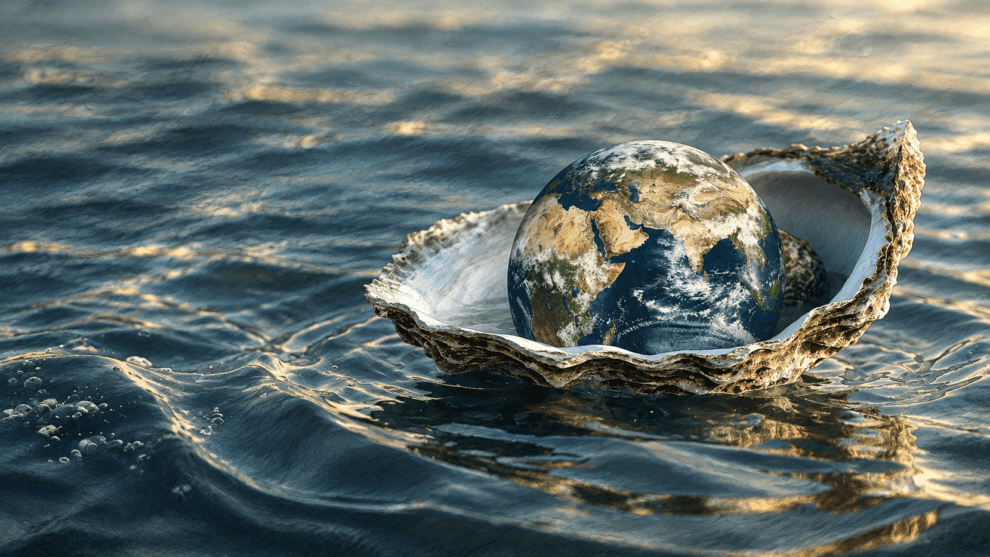
For decades, environmental awareness has been closely associated with trees. Campaigns urging people to “plant more trees” have become symbolic of climate responsibility. While forests remain essential, an equally critical, yet often overlooked guardian of our planet lies beyond the shoreline: The Ocean.
Covering more than seventy percent of the Earth’s surface, the ocean is the planet’s largest life-support system. Yet public attention, policy focus, and everyday activism continue to prioritise land-based conservation, leaving marine ecosystems underrepresented in environmental discourse.
It is time to broaden our perspective. Saving trees is important. But saving the ocean may be even more impactful.

The Ocean: Earth’s Greatest Climate Regulator
Few people realise that the ocean absorbs nearly one-quarter of the carbon dioxide produced by human activity. It also captures more than ninety percent of excess heat generated by global warming. In effect, the ocean acts as a massive natural buffer, slowing down climate change.
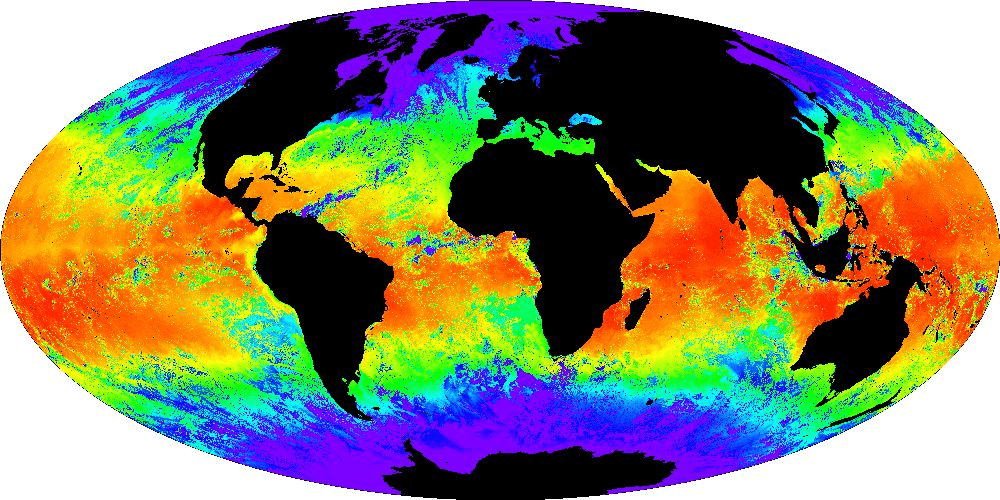
Microscopic marine plants called phytoplankton produce over half of the world’s oxygen, more than all forests combined. Every second breath we take is linked to ocean health. Without thriving marine ecosystems, the planet’s atmospheric balance would collapse.
While forests regulate climate on land, oceans regulate it globally.
Food Security and Livelihoods at Stake
For countries like Bangladesh, ocean health is directly tied to economic and social stability. Millions depend on fisheries, coastal tourism, shipping, and marine trade. Declining fish stocks, coral damage, and pollution threaten not only biodiversity but also livelihoods.
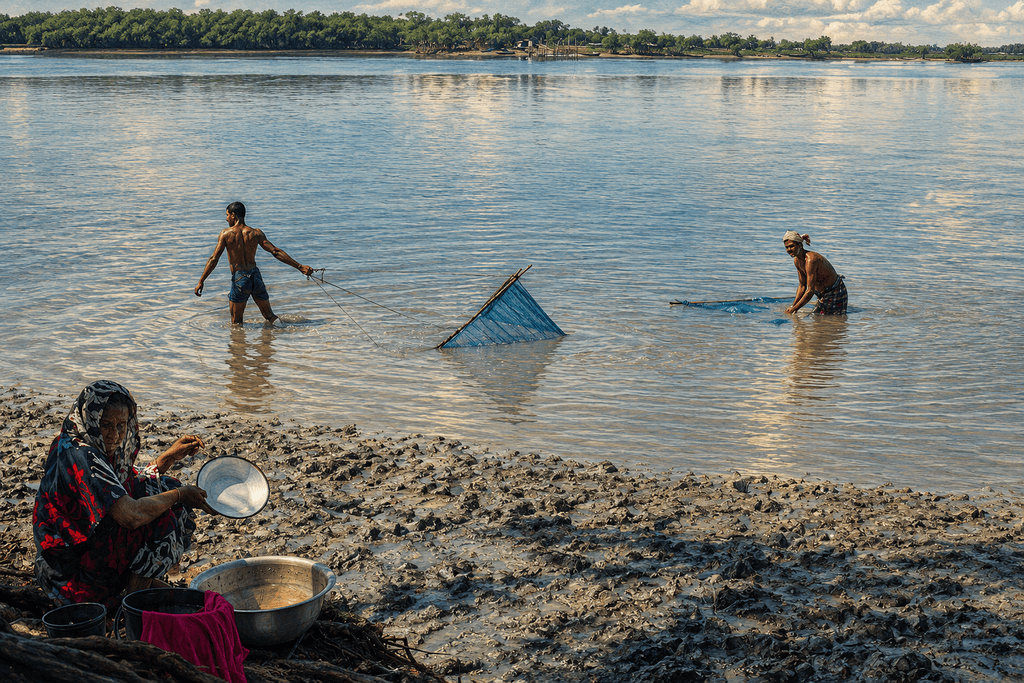
When oceans are polluted or overfished, food chains are disrupted. Prices rise. Nutrition suffers. Communities become vulnerable. Environmental degradation at sea quickly translates into hardship on land.
Protecting the ocean is therefore not only an ecological issue, it is a matter of economic resilience and human security.
The Hidden Crisis of Marine Pollution
Plastic waste, industrial discharge, and untreated sewage are steadily contaminating marine environments. Every year, millions of tonnes of plastic enter the ocean, breaking down into microplastics that eventually enter human food systems.
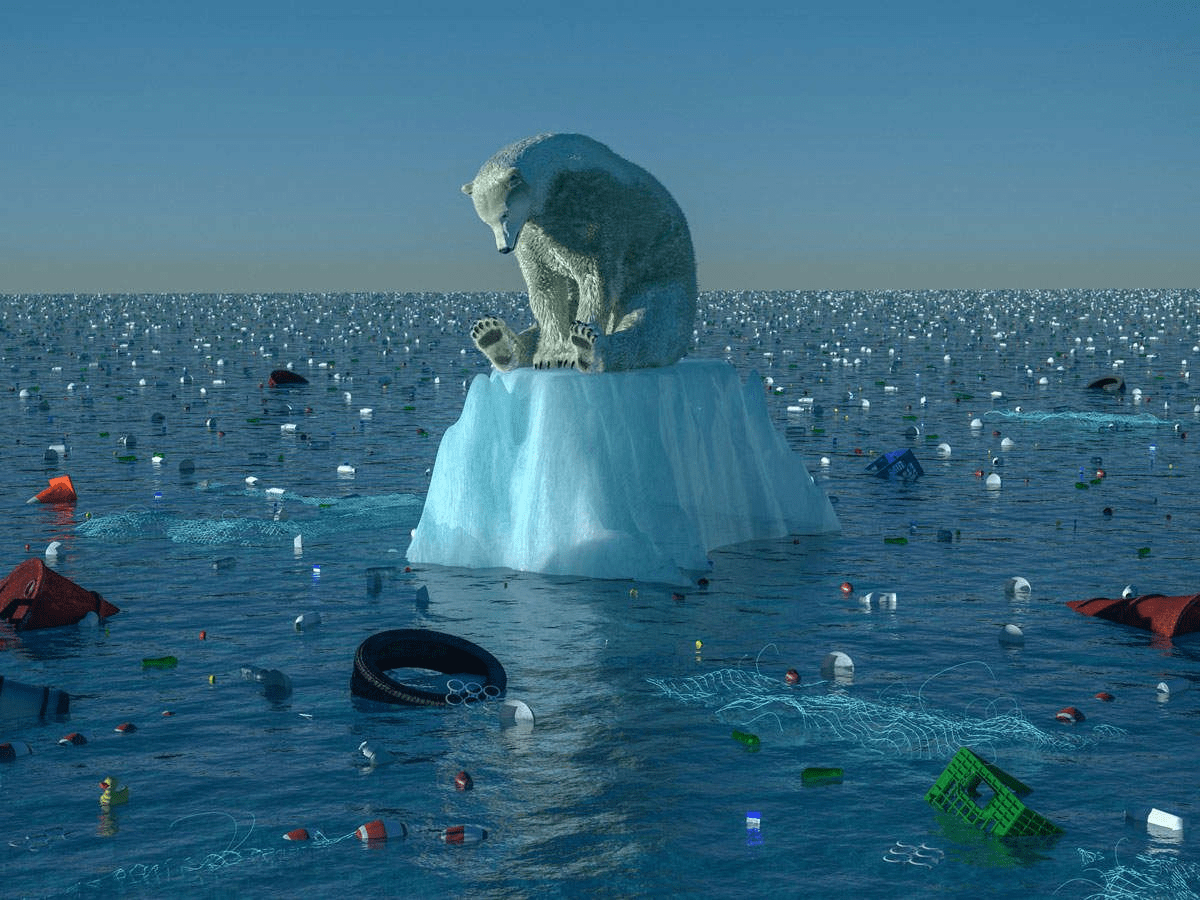
Unlike deforestation, which is visible and measurable, marine pollution often remains hidden beneath the surface. This invisibility has allowed damage to accumulate quietly over decades.
Without urgent intervention, future generations may inherit oceans that are biologically impoverished and economically unviable.
Why Trees Alone Are Not Enough
Tree plantation drives are valuable and necessary. Forests protect biodiversity, regulate rainfall, and support rural economies. However, trees alone cannot offset marine degradation.
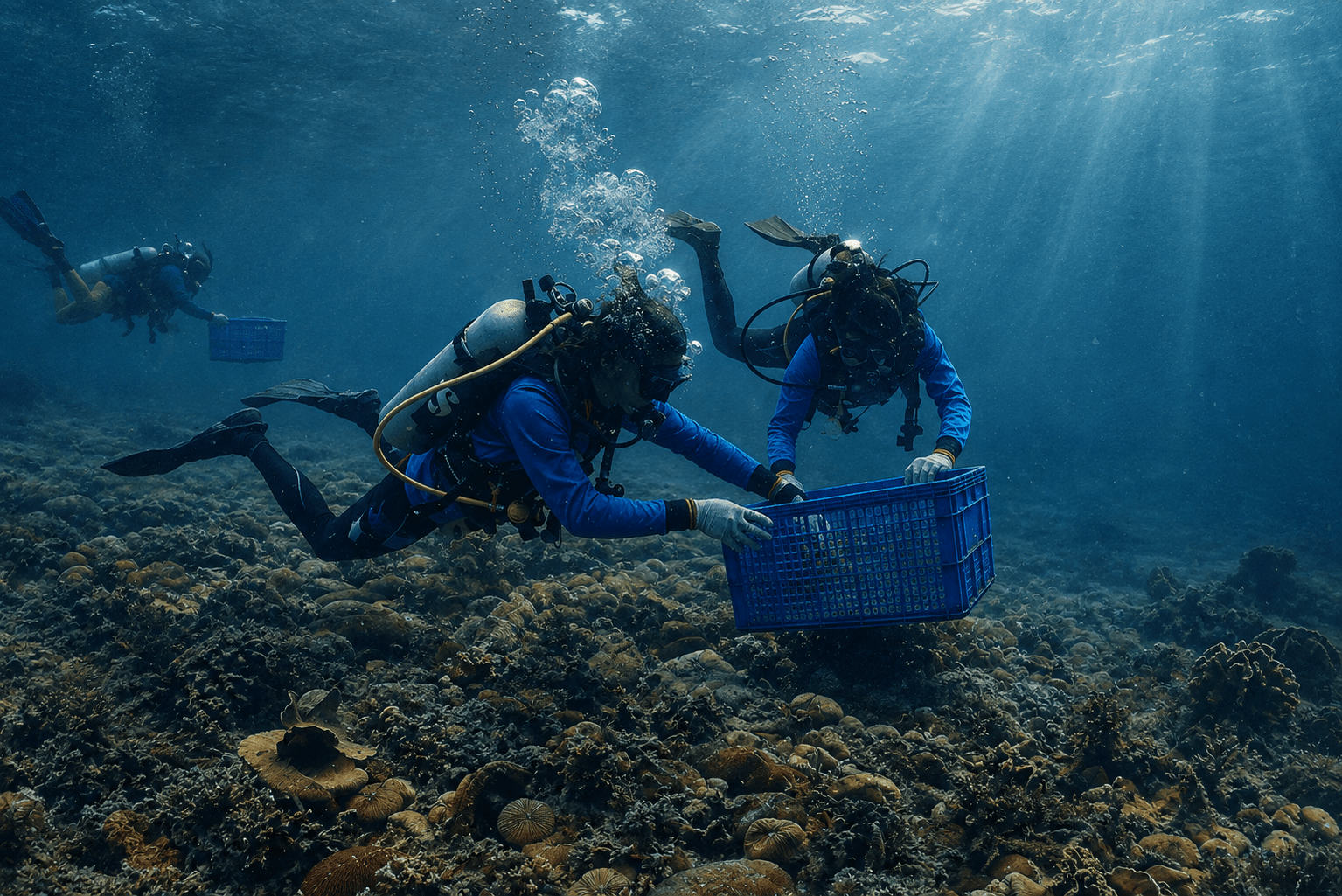
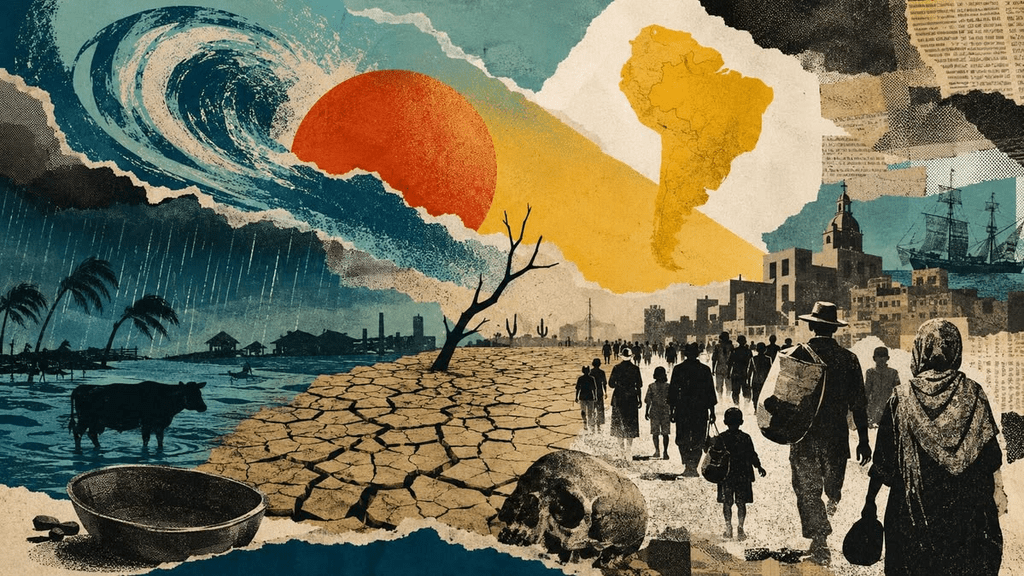
A damaged ocean weakens climate regulation, reduces food availability, and accelerates weather extremes. Floods, cyclones, and rising sea levels already affecting coastal nations are intensified when marine ecosystems collapse.
True environmental responsibility requires balance: protecting both forests and seas with equal seriousness.
Shifting the Environmental Conversation
To safeguard the future, environmental awareness must expand beyond land-based activism. Schools, media, businesses, and policymakers should integrate ocean literacy into sustainability programs.
Responsible waste management, reduced plastic use, sustainable fishing practices, and marine research investment are practical starting points. Individuals, too, play a role through consumption choices, travel habits, and civic engagement.
Preserving the ocean is not an abstract global cause. It is a personal investment in clean air, stable food systems, and climate security.
A Broader Vision of Sustainability
Planting trees reflects care for the planet. Protecting the ocean reflects understanding of it.
As environmental challenges grow more complex, solutions must become more holistic. A truly sustainable future will be built not only in forests and fields but also in deep waters and coastal ecosystems.
When society learns to value the blue as much as the green, environmental stewardship will finally become complete.