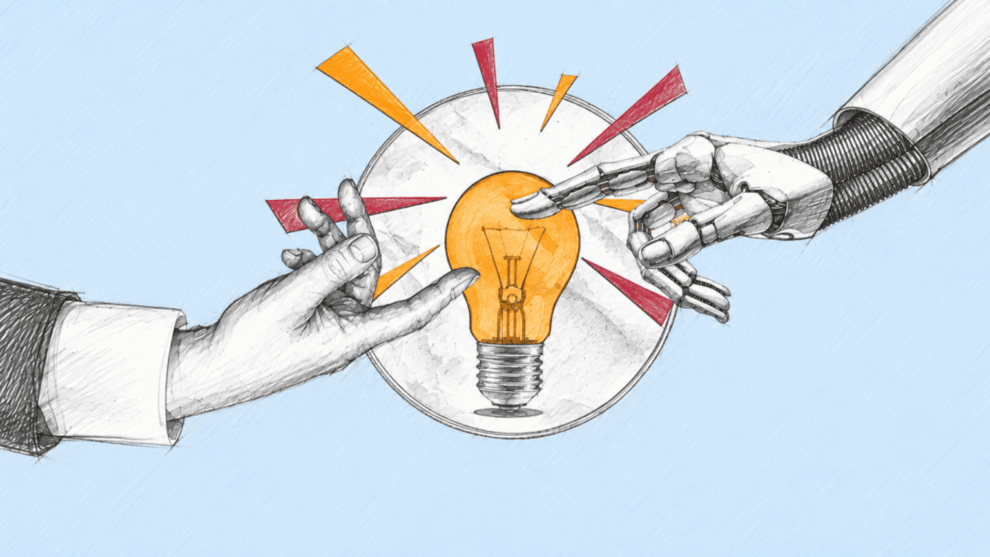
In a world where many feel more connected to screens than to people, the emergence of AI companions marks a profound shift in how humans engage with machines. Designed to simulate empathy, respond emotionally, and even serve as trusted confidants, these systems are at the forefront of what one paper calls “the next wave of human-machine relationships” (Andersson, Nature Human Behaviour, 2025).

The Promise of Emotional AI
AI companions including chatbots, voice assistants, and virtual friends are no longer novelty tools. Research shows they can deliver genuine emotional benefits, especially for those experiencing loneliness or social isolation. According to a 2024 study (De Freitas et al., Harvard Business School), users who interacted with empathetic chatbots over multiple weeks reported measurable reductions in loneliness and an increased sense of being heard. These systems are designed to treat users as individuals, respond in real time, and adapt over time. In a 2023 study (Chaturvedi et al., Information & Management), the emotional bond between user and conversational agent is termed “social companionship” and was found to significantly influence user satisfaction and engagement.
Complex Realities Behind the Screen
Yet, this new frontier raises serious questions. A recent review (Malfacini et al., AI & Society, 2025) observed that while some users experience improvements in social skills after interacting with AI companions, others develop emotional dependence or unrealistic expectations of human relationships. One dataset showed that among 387 participants, the higher the emotional support they reported from an AI companion, the lower the support they felt from real human friends (Ada Lovelace Institute, 2025). Heavy use of companion-bots could displace real-life interaction rather than simply supplement it.
Furthermore, ethical concerns are emerging. AI companion providers often operate with limited oversight, raising risks around data privacy, age verification, and economic incentives to maximise engagement. The same research warns that such systems may exploit loneliness for profit, creating emotional dependency as part of their business model (Ada Lovelace Institute, 2025).
The Human-Machine Relationship Reimagined
As emotional technology becomes more ubiquitous, the nature of connection itself is shifting. Some users treat digital companions as partners, therapists or trusted allies. A 2024 study (Kouros et al., Sociology, 2024) found that users often experiment with identity and self-presentation in interactions with AI companions, leveraging these platforms to explore aspects of themselves they would be hesitant to bring into face-to-face relationships. This suggests a deeper transformation in how people relate to both machines and the self.

Navigating What Comes Next
To ensure this technology nurtures human wellbeing rather than undermines it, several steps are vital: developers must embed ethical design into AI companions, stipulating boundaries, consent frameworks and transparency around data use. Researchers call for long-term studies to assess behavioural effects over months or years rather than weeks. Regulators should treat emotional AI as part of the broader mental-health ecosystem, not just consumer entertainment.
Final Thought
We are entering an era where companionship may be alongside us in the form of algorithms. As tools that listen, adapt and care, AI companions hold real promise. But their promise also carries risk of dependency, isolation and distorted relational expectations. The true measure of emotional technology will not be how seamlessly it mimics care, but how responsibly it connects us back to the very thing we seek most: each other.