1. Having spent considerable time engaging with Bangladesh’s economic and cultural landscape, what personal observations or experiences have shaped your understanding of the country in ways that formal briefings could not?
After three months in Bangladesh, what has impressed me most goes far beyond any official briefing: the resilience, creativity, and optimism of the Bangladeshi people. There is a remarkable ability to adapt, innovate, and turn challenges into opportunities.
Whether walking through Dhaka’s bustling streets or meeting entrepreneurs and industry leaders, you immediately sense this drive to build and improve. From resourceful SMEs innovating locally to large manufacturers embracing sustainability and digital transformation to stay competitive, this entrepreneurial spirit is deeply embedded in Bangladesh’s DNA. It’s inspiring and it’s what makes this country such a dynamic partner for Denmark.

2. How would you characterize the present state of trade and commercial relations between Denmark and Bangladesh? What notable shifts or emerging dynamics are influencing this partnership?
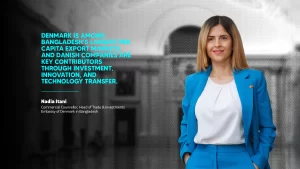
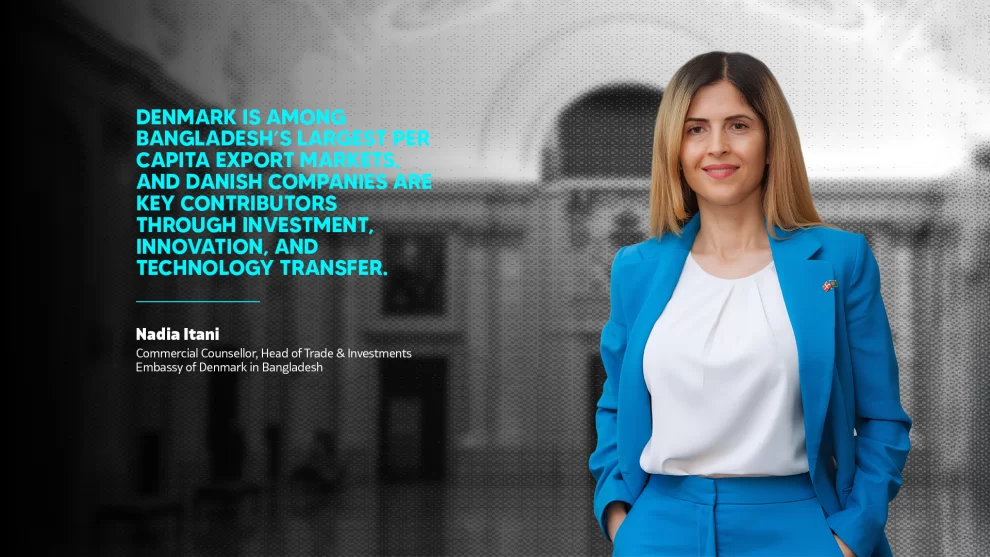
Denmark and Bangladesh enjoy a strong, strategic, and forward-looking partnership. Denmark is among Bangladesh’s largest per capita export markets, and Danish companies are key contributors through investment, innovation, and technology transfer.
Our Green Strategic Partnership, signed in 2022, provides a powerful framework to deepen trade and collaboration while advancing our shared ambitions for green growth, sustainability, and responsible business conduct. Bilateral trade reached around USD 1.5 billion in 2024, and momentum is building. The partnership today is not only about trade it’s about shaping a greener and more sustainable future together.
3. While garments remain a dominant export, which other Bangladeshi sectors do you believe have the potential to emerge as global success stories — and where can Denmark’s expertise be most effectively applied?
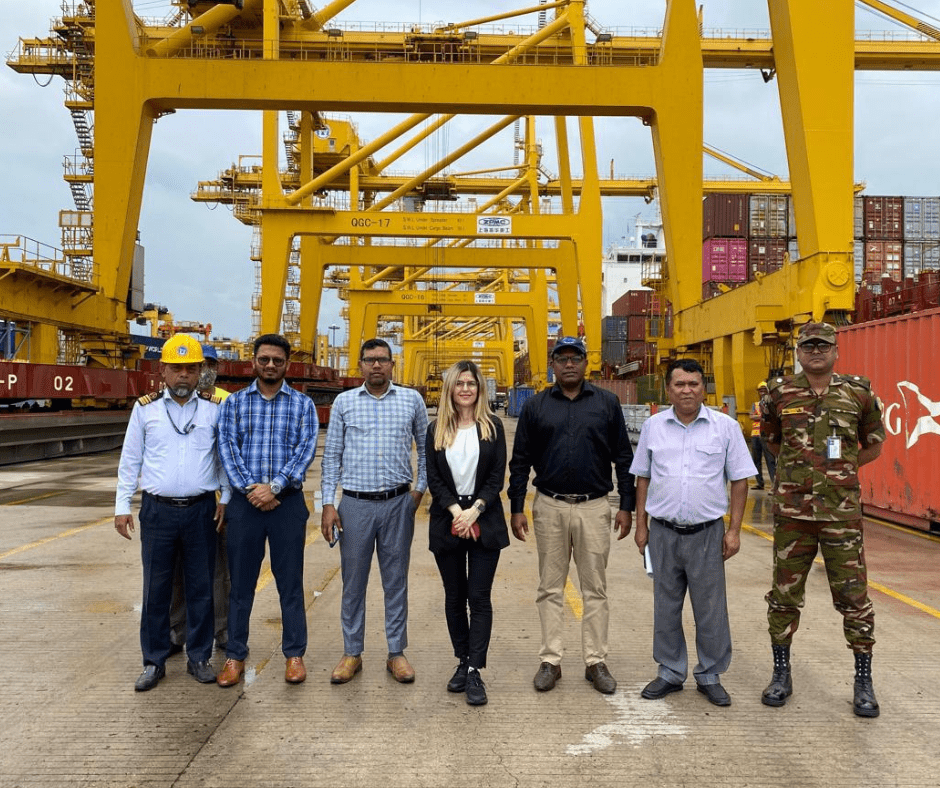
Beyond the ready-made garments (RMG) sector, maritime industries stand out. Bangladesh has tremendous potential to build green ports, modern green shipbuilding, and sustainable shipping solutions, areas where Denmark has world-class expertise.
The fisheries and aquaculture sectors also hold great promise, where Danish expertise can help ensure sustainable and efficient production. Furthermore, food processing, cold chain logistics, and ICT are emerging as strong growth areas, all of which connect well with Denmark’s core strongholds in green and responsible technology.
4. Denmark is widely regarded as a global leader in sustainability and green innovation. Which specific Danish models or technologies do you see as particularly adaptable to Bangladesh’s development context?
One clear example is offshore wind energy, where Denmark is already partnering with Bangladesh on what could become the country’s first offshore wind project, a milestone for its green transition.
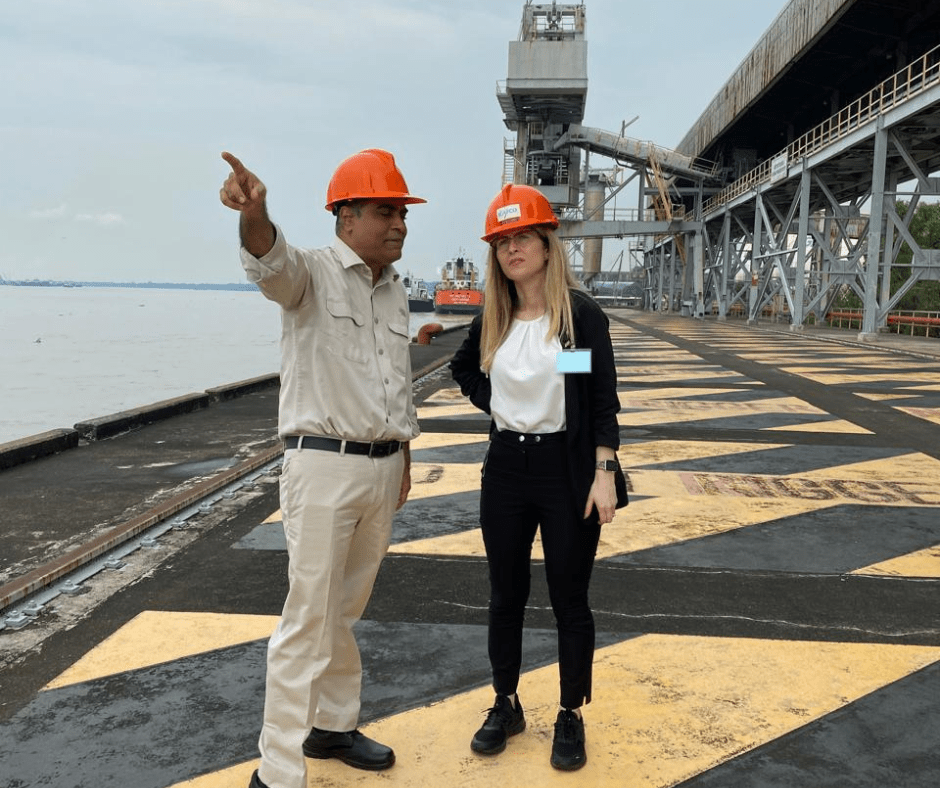
We also see growing engagement by Danish logistics companies investing in green port and container terminal solutions. Danish experience in the circular economy, water management, renewable energy, and energy efficiency is highly relevant and already helping hundreds of Bangladeshi factories reduce resource consumption, improve efficiency, and strengthen sustainability.
In short, Denmark’s model of combining green innovation with inclusive growth is highly adaptable to Bangladesh’s journey toward a sustainable future.
5. With Bangladesh’s expanding digital infrastructure and entrepreneurial momentum, what areas within the digital economy — such as fintech, smart logistics, or e-governance — offer the greatest scope for Danish-Bangladeshi collaboration?
Digital transformation underpins many of our shared priorities. The greatest opportunities lie where digitalisation meets sustainability for example, in smart logistics, green value chains, and renewable energy management.
Danish expertise in digital solutions for smart ports, traceability, and efficiency aligns well with Bangladesh’s development goals. By integrating these technologies, we can help make production and trade both smarter and greener, boosting competitiveness while reducing environmental impact.
6. In your diplomatic and commercial experience across different regions, how does Bangladesh compare to other emerging economies in terms of investor readiness, regulatory clarity, and growth potential?
Bangladesh offers an impressive combination of scale, growth, and determination If we look at factors such as its strategic location, growth potential, and labour-intensive workforce, Bangladesh demonstrates strong economic fundamentals, and its people are highly capable and motivated.
Like many emerging economies, there is room to further enhance regulatory predictability and ease of doing business, but what stands out is the commitment to progress. The continued expansion of Danish companies here reflects confidence in Bangladesh’s long-term potential as a sustainable and competitive investment destination.
7. If you were to suggest two or three actionable policy improvements to enhance Bangladesh’s attractiveness to European investors, what would they be — particularly from the lens of long-term strategic engagement?
I would emphasize three key areas. First, aligning labour laws with international standards, which is crucial for maintaining EU trade preferences. Second, simplifying business regulations and cutting red tape to make it easier for companies to invest and grow. And third, ensuring long-term planning in green energy and logistics to provide investors with the stability and confidence needed for sustained commitment.
These steps would send a strong signal that Bangladesh is ready for the next phase of sustainable growth and global integration.
8. As Bangladesh pursues its ambition of becoming an upper-middle-income economy, what message would you like to share with its business community and policymakers regarding Denmark’s long-term vision for this bilateral relationship?
To Bangladesh’s business community, my message is simple: For years Denmark has been a partner in Bangladesh’s transformation, which is far strongly rooted than just trade. We are partners in green technologies, water management, logistics, and sustainable food production. Working together, we can drive innovation, create quality jobs, and strengthen access to European markets.
To policymakers, we will strive to address challenges where Denmark has stronger expertise, thus utilising deeper cooperation and aligned standards which promote Bangladesh as a sustainable business hub.
Our vision is a modern, green, and resilient partnership one that benefits people, businesses, and the planet.