1. Could you please share the story of your early life and academic background? What inspired your journey into the legal profession?
I was born in Chittagong, at what is now Holy Crescent Maternity Hospital in Anderkilla. My father, a police officer, was transferred to Dhaka in 1969, where I began schooling at Azimpur Agrani School & College. In 1971, we returned to Chittagong, and I continued at Port Trust KG School. After the Liberation War, I joined Saint Placids High School, skipping class four through a double promotion arranged by my uncle, a headmaster in Rajshahi.
Later, I studied at Dawood Cantonment Public School in Jashore, where I ranked first in class before returning to Dhaka to complete my SSC at Adamjee Cantonment Public School. My principal, Mr. Mezbaul Bahar Chowdhury, was a great influence and encouraged me to study at Dhaka College, where I completed my HSC in 1981 with star marks—despite limited studying and distractions as a young person. My strong foundation in SSC carried me through.
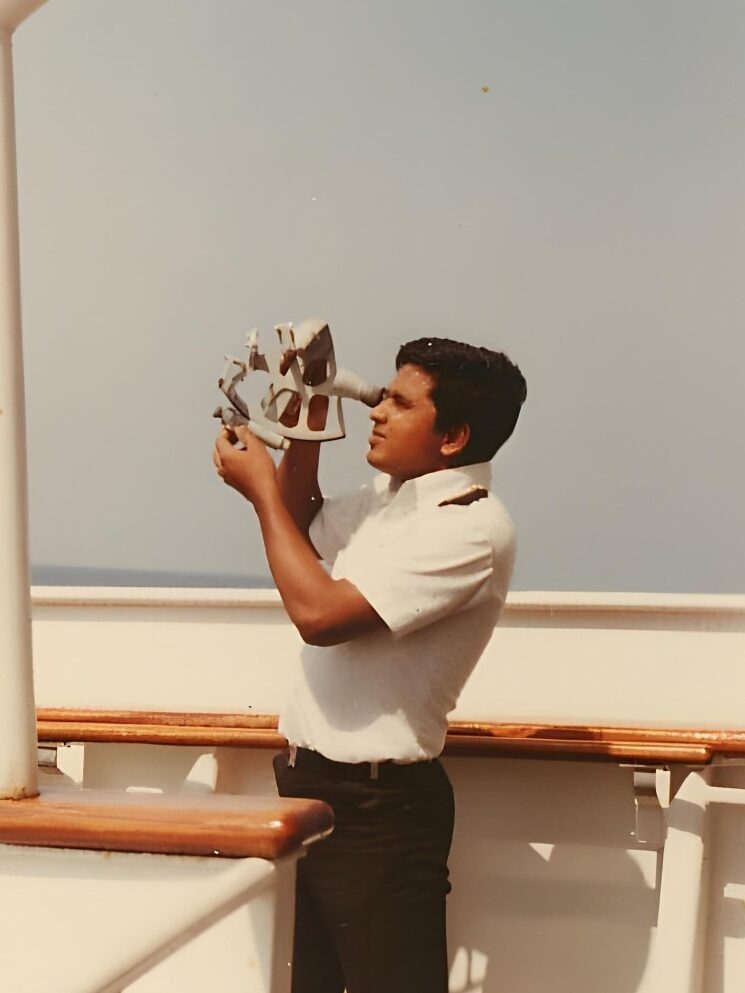
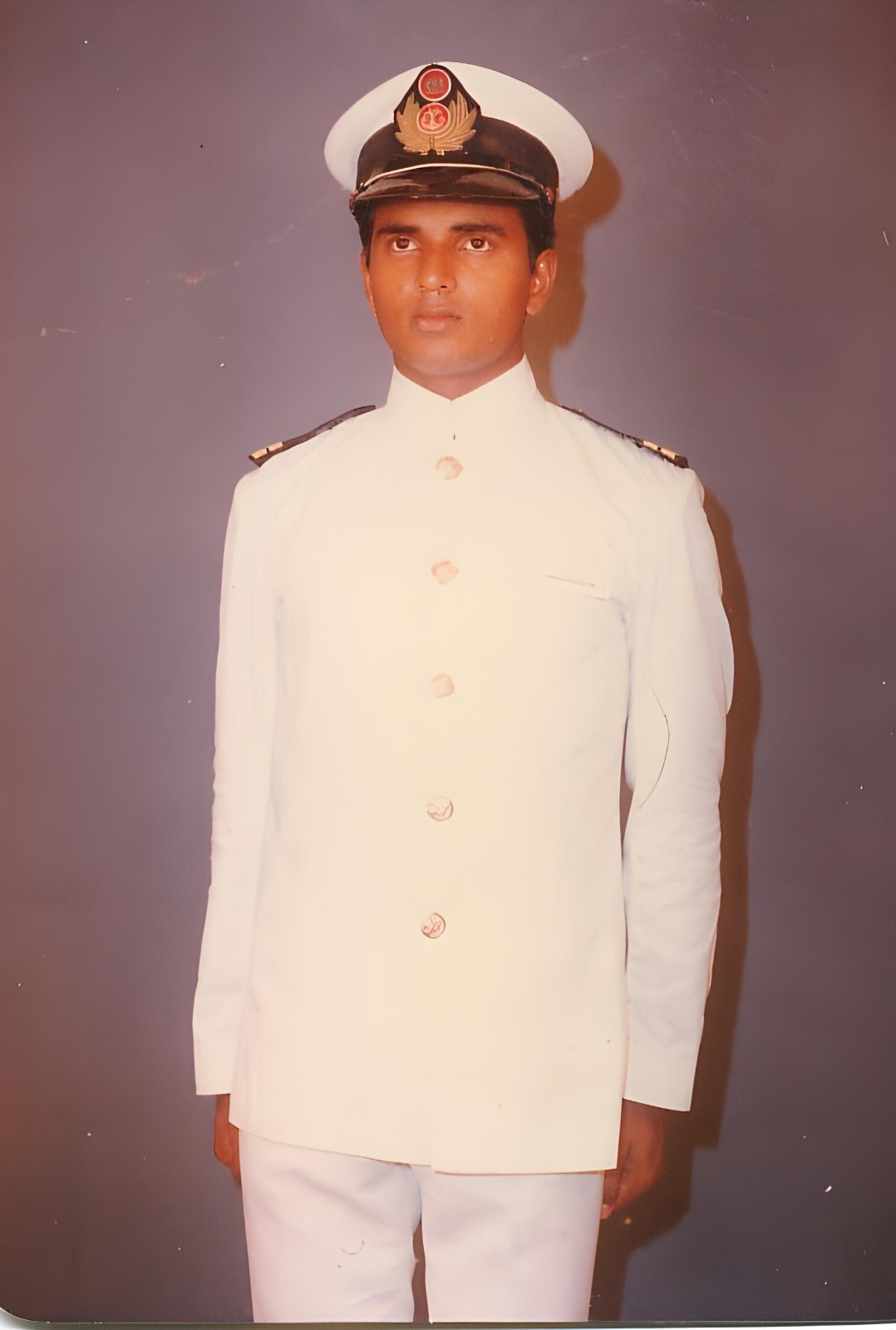
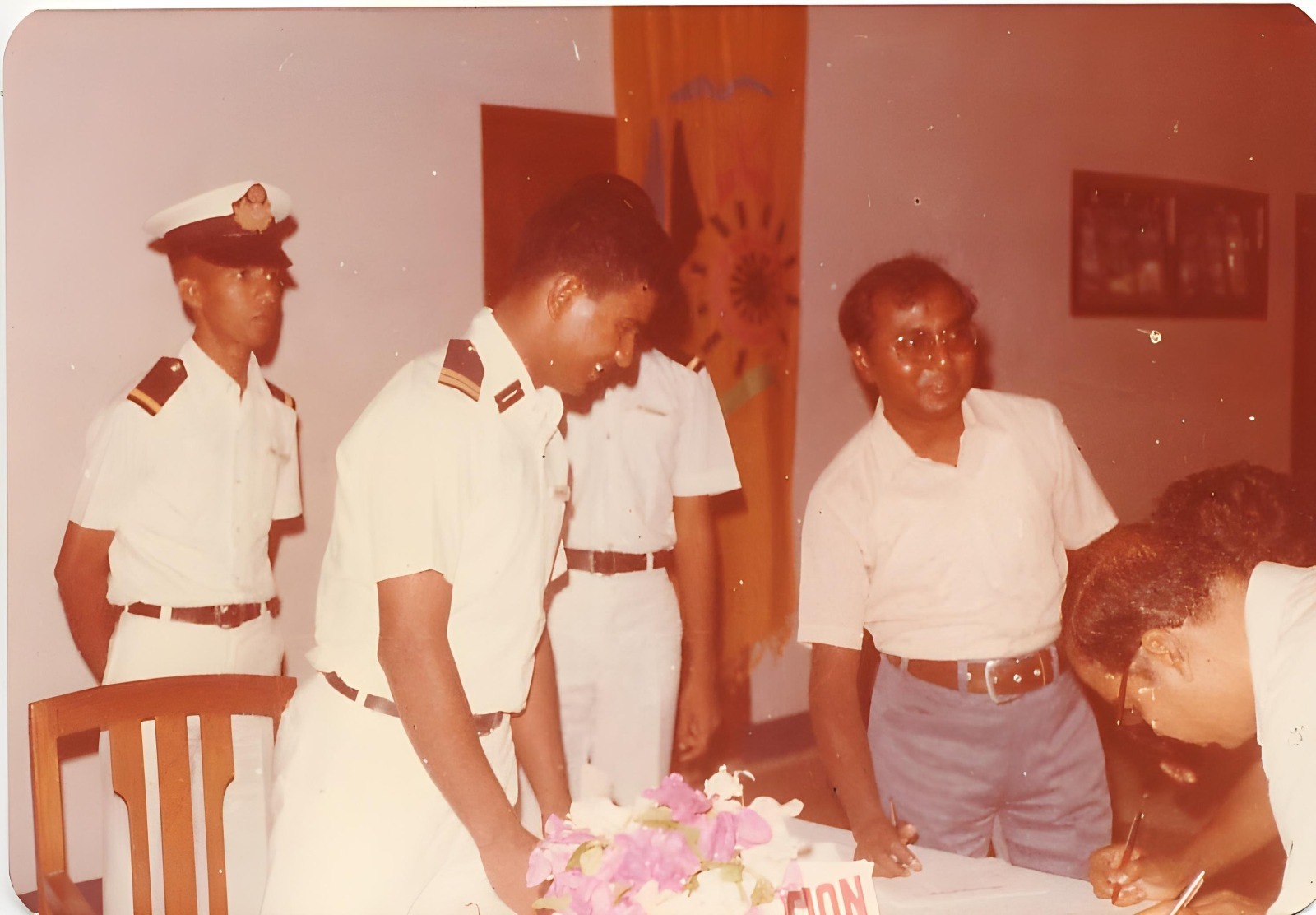
Concerned about campus unrest at Dhaka University, my family encouraged me to join the Marine Academy, where I stood first in the admission test. Life there was tough; I fought against ragging and worked to end the abusive practice for future cadets. After graduating, I joined Bangladesh Shipping Corporation in 1983, but life at sea didn’t suit me. Following my father’s death in 1985, I continued working hard at sea on board merchant ships (oceangoing ships) to support my family until my siblings were settled.
In 1997, I left the sea and pursued a master’s in Maritime Studies and International Transport at Cardiff University. After being denied a teaching post in the UK due to nationality preferences, I returned to Bangladesh in 1999. Starting anew as a marine surveyor, I eventually became Managing Director of Henderson International, the country’s top marine survey firm back then, and later founded Interport Maritime, now a leading P&I Correspondent listed by the major International Group of P&I Clubs (Third Party liability insurers for Shipowners and Charterers globally).
Frustrated by the slow judicial process, I studied law while working full-time, enrolling with the Bar Council in 2009 and obtaining an LLM in Maritime Law from the University of Southampton, UK in 2011. Despite years of struggle, I finally obtained High Court enrollment in 2019 with support from senior lawyers.
I joined Gono Forum in 2014 to oppose authoritarianism but left after 2024, believing genuine reform remained elusive. I still aspire to contribute politically, though balancing it with a legal career is challenging.
Today, I specialize in maritime law and have contributed to major constitutional cases, including the 15th Amendment. My journey—from cadet to lawyer—has been one of resilience, faith, and an unwavering commitment to justice and the rule of law in Bangladesh.

2. What changes have you seen in maritime law practice that inspired you to specialize in it, and what is its current condition?
When I first began practicing law, I realized that in the five decades since Bangladesh’s independence, maritime law had progressed very little. The system was slow, and few lawyers dared to take up this complex field. Resources were scarce—standard maritime law books were rare and prohibitively expensive, often costing around £400+ each and available only to a handful of elite chambers.
Fortunately, access to knowledge has since improved. Many essential maritime texts are now available in affordable reprints at High Court bookshops, allowing young practitioners to study the subject more seriously. Yet, mastering maritime law remains challenging—it requires a sound grasp of tort, contract, and international conventions. Without this foundation, one cannot succeed; courtroom eloquence cannot replace substance and preparation.
Over the years, Bangladesh has produced only a few maritime judgments—perhaps three or four annually. Typically, a ship is arrested in maritime claims or disputes, and the Shipowner must provide a costly bank guarantee to secure its release. These guarantees incur daily charges, which, over long delays, can consume nearly half the guaranteed sum. Frustrated by this process, many owners settle cases prematurely—not because the claims are fair, but to avoid mounting losses. Admiralty proceedings, meant to be swift, often drag on for many years to decades.
A practical reform would be for courts to accept Letters of Undertaking (LOUs) from International Group (IG) P&I Clubs instead of bank guarantees. LOUs are far more secure and transparent—unlike banks in Bangladesh it is to be noted that no IG P&I Club has ever failed to honor an LOU in over two centuries. Accepting LOUs would discourage false claims, reduce corruption, and expedite settlements.
The government already accepts such guarantees under conventions like the Maritime Labour Convention (MLC), Bunker Convention; the courts should follow suit. If properly structured with interest provisions for delays, LOUs could bring fairness, efficiency, and credibility to Bangladesh’s maritime justice system.
3. Many economists and policymakers now argue that shipbuilding could become one of the key drivers of Bangladesh’s future economy. Do you share that optimism? From a legal and regulatory standpoint, what groundwork and safeguards do you believe are necessary to help this industry realize its full potential?
Shipbuilding is a subsidized industry in almost every country. It is not inherently a great profit-making venture, but it is a powerful economic multiplier. It fosters the growth of ancillary industries and drives technological development. So yes, shipbuilding is definitely the future for Bangladesh.
However, the government must create a policy to encourage it. As a poor nation, we cannot subsidize it directly from the public purse. The key is to establish the rule of law. Investors will only commit to shipbuilding in a country where they can enforce their contracts. Currently, it is very difficult to attract such investment to Bangladesh because the rule of law is not yet firmly in place, and people cannot reliably enforce their rights.
I am hopeful, as our Chief Justice is trying very hard to establish commercial courts. If we have dedicated commercial courts that offer quick dispensation of justice, it would make a significant difference. Our Civil Procedure Code is good—it states that you cannot have more than four adjournments—but courts often allow many more. We must ensure a proper judicial system where everyone respects the rule of law, statutes, and procedures.
This also depends on lawyers. Lawyers are officers of the court, but we often forget this and act like businessmen. We are professionals. It is our solemn duty not to lie or mislead the court with false assertions or incorrect legal citations. If a case has no merit, we should advise our client to settle and not fight it. A lawyer should never use their seniority or other methods to oppress an opponent in a weak case. Such conduct is against our Bar Council rules. If everybody follows the law and their ethical duties, things will improve.
4. Given the global importance of Alternative Dispute Resolution (ADR), what is the current state of its practice in Bangladesh, and how effective is it?
The outcome of ADR in Bangladesh is doubtful. Firstly, ADR can be quite expensive. Furthermore, even if you receive an award from an arbitration tribunal, the opposing party can often go to a district court and get it stayed. If that is the case, one might as well have gone to court initially.
Unless our arbitration law is amended to prevent these delays and interferences by the lower courts, ADR will not succeed. Consider who would use ADR here. While we are signatories to the New York Convention, succeeding in the execution of foreign arbitral awards, the reality is different. To execute an award, you must file in a district court, where it can take 13 or 14 years just to get an execution decree. Then, someone will appeal to the High Court and get it stayed. It’s a joke. Given these obstacles, we might as well advise our clients to go directly to court. We do not encourage our clients to use ADR because, in its current state, it is pointless.
5. There have been many discussions on recent trade and tariff policies, particularly regarding shipping. What is your take on these new policies?
The recent decision to raise Bangladesh’s port tariff has sparked concerns about transparency, process, and economic impact. The initiative originated when the Chittagong Port Authority appointed Logic Forum, a consultancy formed in 2018, in a joint venture to study and recommend tariff revisions. However, the firm appears to have limited expertise in port operations or maritime consultancy, and its stated objectives do not include port-related advisory services. Publishing its pre-qualification documents and selection criteria would help ensure transparency.
The consultancy’s report also lacks clear analytical depth. A major policy change of this nature should include a pricing framework, cost-benefit analysis, and a data-backed rationale. Without these, it is difficult to assess whether the recommendations align with Bangladesh’s trade and economic objectives.
While the consultancy was appointed by the previous administration, the tariff increase was implemented under the current one. Given its potential ripple effects, broader consultations with economists, trade bodies, and industry stakeholders would have ensured a more balanced and informed decision.
Economically, the impact could be far-reaching. Most imported goods in Bangladesh have low price elasticity, meaning higher tariffs will likely push consumer prices further up. Export sectors such as garments, which has high elasticity of demand and which are already operating on thin margins, may lose competitiveness against markets like Vietnam and India.
To safeguard trade stability, tariff revisions must follow due legal procedures, with adequate notice and stakeholder input. Transparent, evidence-based policymaking will help balance port development goals with the nation’s broader economic interests.
6. Beyond your professional life, what is your personal philosophy? Do you believe in luck, and how much do you think it has contributed to your career and life?
I believe 100% in what people call luck. But I don’t call it luck; I call it the will of Allah. Taqdeer—destiny—has been written. We are just here to try our best, but what Allah ordains will happen.
Allah has given you your existence; you had none before. From your head to your toe, nothing belongs to you. He has given us the Quran, a rich book that guides us on how to conduct ourselves. Try to follow that, and understand that what Allah determines is what will happen. Therefore, you should never be sad.
The whole idea is that I am never sorry about anything. For instance, I waited eight years for my High Court enrollment. I don’t feel bad about it because I believe it was Allah’s determination. If people think they stopped me, they actually did me a favor, as it happened at the correct time. I believe 100% that whatever happens is for my own good. If it is ordained by Allah, and nobody loves me more than Allah, how could He do anything that is not good for me?
7. Your firm is described as a one-stop, integrated professional service solution for both international and local clients. How do you manage this and ensure it truly is a one-stop solution? How hopeful are you for the future of the legal profession?
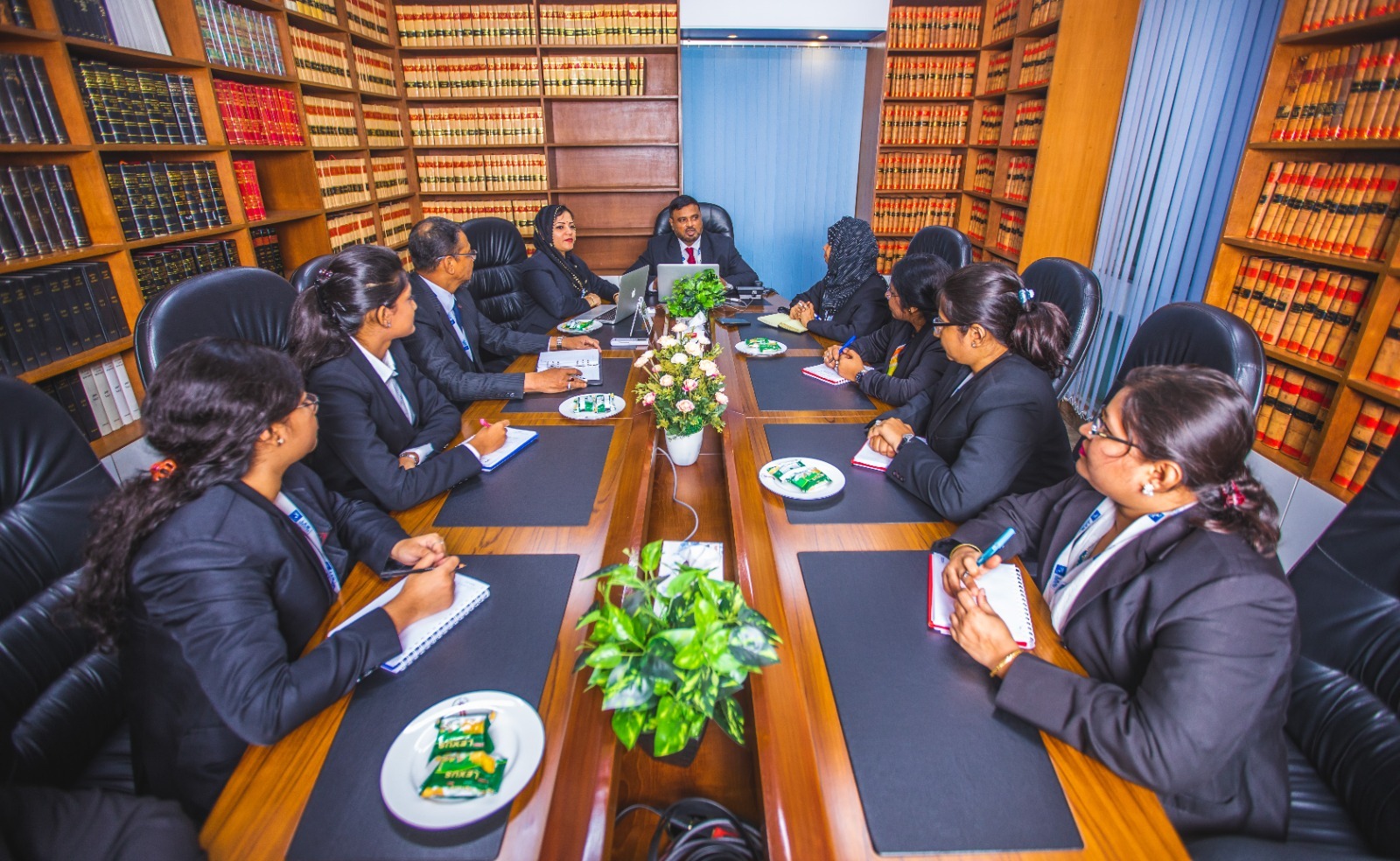
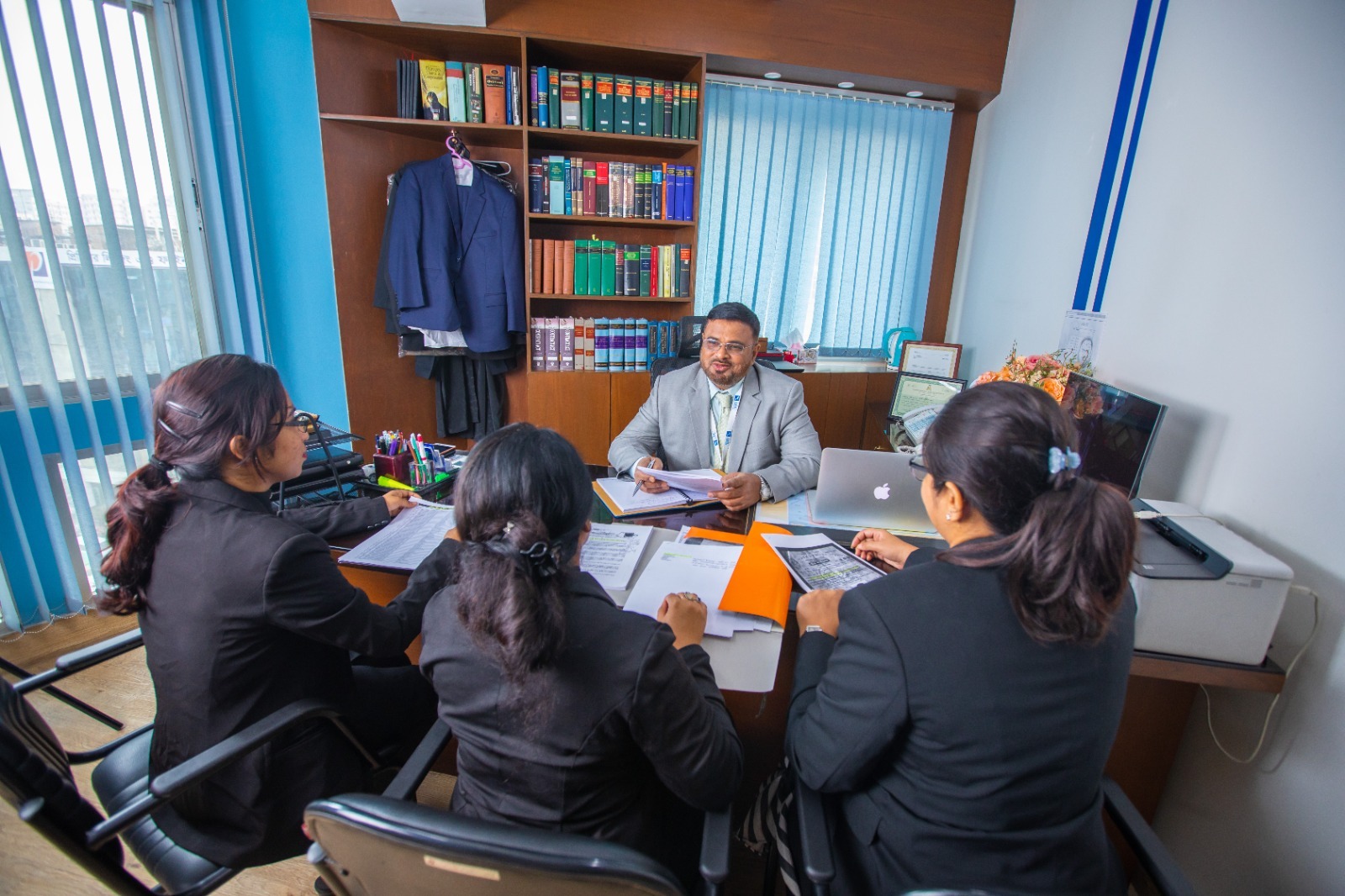
Our firm has the experience and expertise to manage maritime incidents from the very beginning. When collisions or similar events occur, we advise clients to involve us immediately—before complications arise—so we can guide them through every stage until the matter is fully resolved.
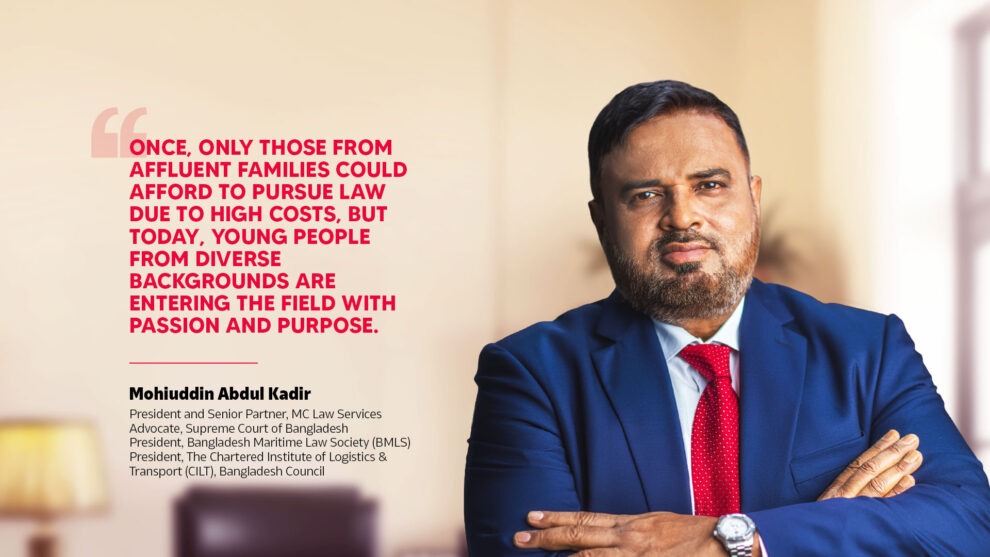
We are deeply committed to training and capacity building. Each term, we take in interns and run structured programs to develop their practical and professional skills in maritime law. The profession itself is evolving. Once, only those from affluent families could afford to pursue law due to high costs, but today, young people from diverse backgrounds are entering the field with passion and purpose. This shift gives me hope that the profession will grow stronger and more inclusive.
To support this transformation, we regularly organize workshops and mentorship programs to nurture the next generation of maritime lawyers. Insha’Allah, we aim to build a skilled, ethical, and forward-looking legal community.
Artificial intelligence is also reshaping the profession. Many traditional tasks handled by juniors—such as drafting, research, and documentation—can now be done efficiently by AI. While this may reduce dependency on juniors, it also challenges the profession to redefine mentorship and learning.
Ultimately, success in law depends on commitment, integrity, and common sense—a divine gift that no book or machine can replace.
8. Given the high cost to their careers, why do you think so many lawyers still enter politics?
I believe it’s natural for lawyers to transition into politics. Lawyers are trained to think critically, reason logically, and articulate persuasively—skills that any political system values deeply.
In contrast, businessmen face far greater vulnerability in politics. In Bangladesh, successive governments have often targeted businesspeople aligned with opposing parties. For instance, many businessmen linked to the BNP were pressured during the Awami League’s tenure, and the reverse could easily happen if power changes hands. The system itself enables such exploitation—tax files can be audited at any time, and faults are easily found, whether intentional or not. Until corruption and selective enforcement are addressed, true rule of law will remain elusive.
For lawyers, however, the risks are different. Our capital is knowledge. Even if jailed unjustly, as long as one isn’t criminally convicted, one can return to practice and rebuild a career.
While many renowned lawyers, such as Dr. Zahir and Barrister Rafiqul Islam, have remained behind the scenes advising political leaders, I’ve stayed personally involved. Politics, I believe, is like a virus—once it enters your bloodstream, it never leaves.
Despite lacking a platform now, I still feel compelled to serve. Plato once said, “The penalty for refusing to participate in politics is being governed by your inferiors.” And that’s precisely why good people must not abandon politics—they must enter it to clean it.
9. To uphold ethics and integrity in the legal profession often comes with financial and personal challenges. How do you navigate these pressures while staying true to your principles, and what helps you maintain composure in such demanding circumstances?
Everyone faces tests in life—each designed differently by Allah. For some, the challenge may be financial; for others, moral or emotional. But though the questions differ, the answer remains the same: patience and prayer. If one endures trials ethically, with faith and perseverance, Allah will surely provide a way out from the trial or challenge.
Personally, I have found that stress makes me calm. The more intense the pressure, the more composed I become. I’ve learned to embrace challenges rather than fear them, because ultimately, nothing happens outside the will of Allah. My duty is to give my best effort; the outcome is in His hands.
My true strength lies entirely in my faith. I believe I possess no power of my own—every bit of strength comes from Allah. That belief frees me from fear or anxiety, no matter the circumstances. Others may plan or act against me, but in the end, only what Allah wills comes to pass—and that is always for my good.
To me, life’s ultimate goal is to reach Jannah. Everything else is secondary. As long as one remains steadfast, committed to faith, and clear about life’s purpose, even the toughest tests become paths toward peace and success.
10. If you had to identify three points of hope for our country—three lights at the end of the tunnel—what would they be?
I see several positive aspects. First, we are a very homogeneous and non-communal nation. It is in our spirit; you cannot make us communal. We are all practicing Muslims, practicing Hindus, but we do not hate each other. We never question each other’s existence. We did not pray to Allah to be born Muslim, Hindu, or Christian, so why should we fight? That is a great quality of this nation.
Second, Bangladeshis are deeply emotional people. We saw this on the 5th of August; everybody came down onto the streets. If you can hit the right chord, the nation will wake up, and when it does, it can create a tsunami. I believe if we get the right leader, Insha’Allah, Allah will give us one, this nation can become a leading example.
Third, we have a great young population. If they decide they want a better Bangladesh and do not sell themselves out, we can have a great country. Furthermore, if we educate our women, the whole nation will change without any conflict or bloodshed. This is crucial. In my village, I have built a female madrasa (girl’s elementary school), for the development of girls from an early age.
11. You have already accomplished a lot. What is still ahead for you? What is something you still want to achieve?
I don’t think I have accomplished a lot of things; I never feel that way. My main desire is to leave this world in a way that Allah is pleased with me. As I said, life is about staying on your destined course without diverting. I am concentrating on educating girls. I am building a Mohila Madrasa (girl’s elementary school) and have adopted a village at a micro level. I have taken the responsibility for the education of all the children in that village, as well as their medical problems. So, within my capability, I am trying to do something impactful and to give back to the society.