1. Could you share a glimpse of your early career and what inspired you to pursue medicine and public health research?
My journey into public health wasn’t planned—it happened by chance. In January, 1987, I was transferred to NIPSOM (National Institute of Preventive and Social Medicine) as a medical officer. Soon after, I received a scholarship for a Master’s in Public Health in Thailand. After graduating in 1988, I decided to stay in the field and joined NIPSOM’s Department of Epidemiology as a teacher and researcher.
I worked tirelessly, often seven days a week, on various WHO and other research projects under my supervisor’s guidance. During that time, a professor from the University of Cambridge visited Bangladesh to train health professionals. I was selected for the training and later for an advanced course. Impressed by my work, he recommended me for a PhD scholarship at Cambridge. With dedication, I completed my PhD in 1996 and returned to NIPSOM.
After passing a competitive exam, I became an Assistant Professor and later a full Professor of Epidemiology in 2004. I was then transferred to the National Institute of Cancer Research & Hospital (NICRH) as a Professor of Cancer Epidemiology, but the limited scope of work left me disappointed. Fortunately, I was later appointed Director of the Institute of Epidemiology, Disease Control and Research.
In October 2004, I joined the Institute of Epidemiology, Disease Control and Research (IEDCR) as Director. Shortly after, Bangladesh faced a Nipah virus outbreak—an opportunity that truly tested and shaped my public health career. My path wasn’t planned, but each step brought new challenges and growth.

2. As a leader during health crises like Nipah outbreaks and the establishment of disease surveillance systems, what key principles guided your decision-making under pressure?
At IEDCR, my background in epidemiology allowed me to directly engage in outbreak responses. When I joined, resources were limited but I focused on building a strong team and strengthening infrastructure. We collaborated with the US CDC (Centers for Disease Control and Prevention) and icddr,b to establish laboratories, including one for Nipah virus surveillance in 2006.
One of my core principles was evidence-based policy. During the Nipah outbreaks (2004-2012), our research proved the virus spread through raw date palm sap consumption. By 2012, we presented compelling data to the Ministry of Health, leading to a nationwide policy against consuming raw date sap. Our work also helped classify Nipah as a pandemic potential pathogen by WHO, spurring vaccine development efforts by organizations like CEPI (Coalition for Epidemic Preparedness Innovations).
Another focus was system-building. Before 2007, Bangladesh lacked influenza surveillance. I pushed to establish the National Influenza Center, integrating Bangladesh into WHO’s Global Influenza Surveillance Network. Today, this system tracks seasonal trends— positivity rate is peak during the months of July-August. In winter season influenza is almost absent in Bangladesh.
Challenges were persistent. Resilience has been tested by removal attempts, political pressure, and delays in establishing IEDCR’s new building. Despite the importance of persistence, technical advice was often overlooked.
Leadership, to me, meant translating data into action, collaborating across sectors like partnering with icddr,b, the Department of Livestock Services and the Forest Department for “One Health” initiative, and fighting for sustainability—even when program like IMPACT (Public Health Management for Action) initiative stalled after my tenure. The goal was always long-term impact, not short-term wins.
3. How did your leadership at IEDCR strengthen Bangladesh’s response to major outbreaks like avian flu (H5N1), swine flu (H1N1), anthrax, and mass psychogenic illness?
The real test came in rapid detection and coordinated action. After drafting Bangladesh’s first pandemic influenza prepardness plan in 2005, we faced our first human H5N1 case in 2008. I remember the pre-dawn call from the US CDC—an untyped positive sample. Within a month, we confirmed it as avian flu and reported to WHO within 24 hours as per the requirement of International Health Regulation (2005), thanks to our technical committees and multisectoral taskforce.
The 2009 H1N1 (swine flu) outbreak was even more intense. Our surveillance detected Bangladesh’s first human case on June 18th. Hospitals were swamped; I worked round-the-clock, even sleeping in the office.
We also tackled quieter crises with care. During a 2010 anthrax outbreak, we trained civil surgeons nationwide. That same year, we managed mass psychogenic illness among schoolgirls—deliberately terming it “mass psychogenic illness” to prevent stigma while providing psychological support.
Behind these responses was relentless institution-building. I fought for years to launch IEDCR’s 10-story headquarters, finally succeeding in 2013 after taking health secretaries to US CDC to demonstrate the need. Even post-retirement, I contributed—like supporting establishment of the Field Epidemiology Training Program for the veterinarians (FETPV) and COVID-19 dashboard development.
4. Based on your experience, what fundamental weaknesses in Bangladesh’s public health system require sustained, long-term solutions?
Three critical gaps undermine our health system:
Misaligned Human Resources – We often fail to deploy trained specialists where they’re needed most. During COVID-19, experts with outbreak experience weren’t utilized effectively, forcing last-minute establishment of more than 200 labs that should have existed pre-pandemic.
Short-Term Thinking – While Bangladesh responds to emergencies (e.g., outbreaks and natural disasters), we lack sustainable strategies. Politicians focus on 5-year terms, not decades-long health management structure including infrastructure. For example, financial arrangement is not conducive to run surveillance and conducting research as money is released on a quarterly basis.
Implementation Gaps – We produce excellent policies— that gather dust. Meanwhile, industries operate without sufficient health safeguards. True progress requires inter-ministerial coordination, not just documents.
The solution is to Institutionalize long-term planning, evidence-based staffing, and accountable implementation. Without this, we’ll keep reinventing wheels during each crisis.
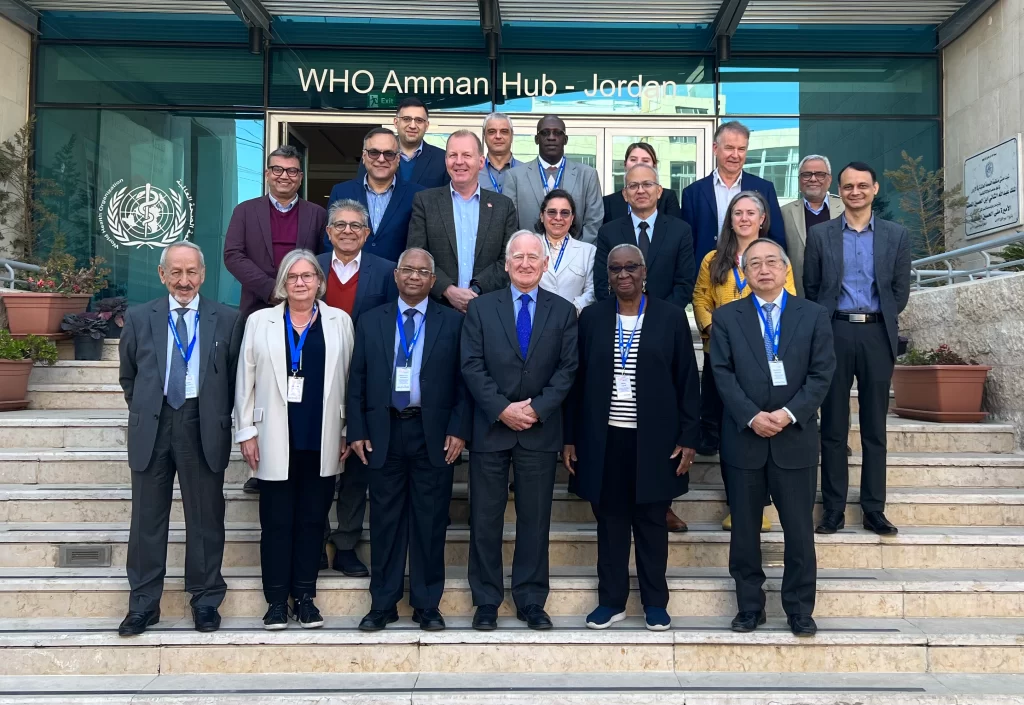
5. Having managed multiple epidemics from dengue to COVID-19, what would you identify as the most crucial lessons for Bangladesh’s public health system?
Bangladesh’s epidemic responses have revealed several hard truths. The COVID-19 pandemic particularly exposed how fragmented coordination remains between different agencies and experts, despite our pioneering One Health initiative that began in 2007 to address human-animal-environment health connections. Too often, critical decisions were made without proper technical consultation, while a persistent culture of denial undermined transparency.
I learned early in my career, during outbreaks of avian influenza, anthrax, influenza, dengue, chikungunya and Zika, that honest reporting saves lives. There was pressure in 2009 to withhold case numbers, but I maintained that accurate data was non-negotiable – even at personal risk. This principle proved vital during COVID-19 when proper case mapping and zone-based responses showed better outcomes.
Our technical capabilities shone through innovations like the Shurokkha digital platform, ironically now used by other countries vaccination program while languishing in Bangladesh due to poor inter-ministerial coordination. The pandemic also revealed how our emergency strengths are undermined by weak preparedness – scrambling to build isolation centers and labs mid-crisis when they should have existed beforehand.
Perhaps most damaging is our reluctance for honest self-assessment. We celebrate successes but avoid examining failures, missing crucial opportunities to improve. The lesson is clear: sustainable health security requires institutionalizing transparency, maintaining expert-driven decision making, and having the courage to learn from mistakes – not just applaud achievements.
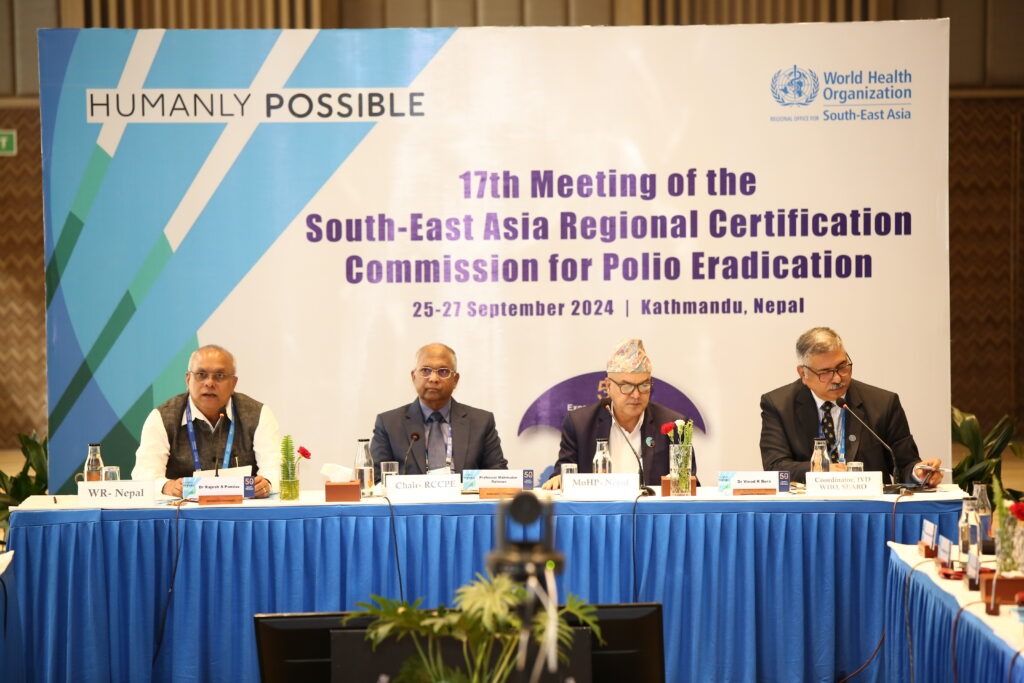
6. As someone who has successfully translated research into policy, how do you bridge the gap between scientific evidence and practical health policymaking in Bangladesh?
The Nipah virus response stands as a telling example of how rigorous research can drive meaningful policy change. When outbreaks emerged in Bangladesh between 2004-2012, our team methodically gathered evidence showing the virus was transmitted through consumption of raw date palm sap. By 2012, we had compiled compelling data – including mortality rates and clear transmission patterns – that convinced the Ministry of Health to implement a nationwide policy against consuming raw date sap.
This success came from presenting not just findings, but actionable solutions. The concrete evidence of lives lost made the policy imperative undeniable. Our research also elevated Nipah to WHO’s priority pathogen list, attracting funding from organizations like CEPI (Coalition for Epidemic Preparedness Innovations) for vaccine development.
The key lesson is effective policy translation requires three elements: irrefutable local data that decision-makers can’t ignore, clear recommendations tied to that evidence, and persistence in communicating until action is taken. When research directly addresses a pressing national problem with practical solutions, policymakers listen – as the Nipah case demonstrates.
7. Given your extensive involvement with WHO committees, how do you envision Bangladesh’s growing role in global health security and disease surveillance networks?
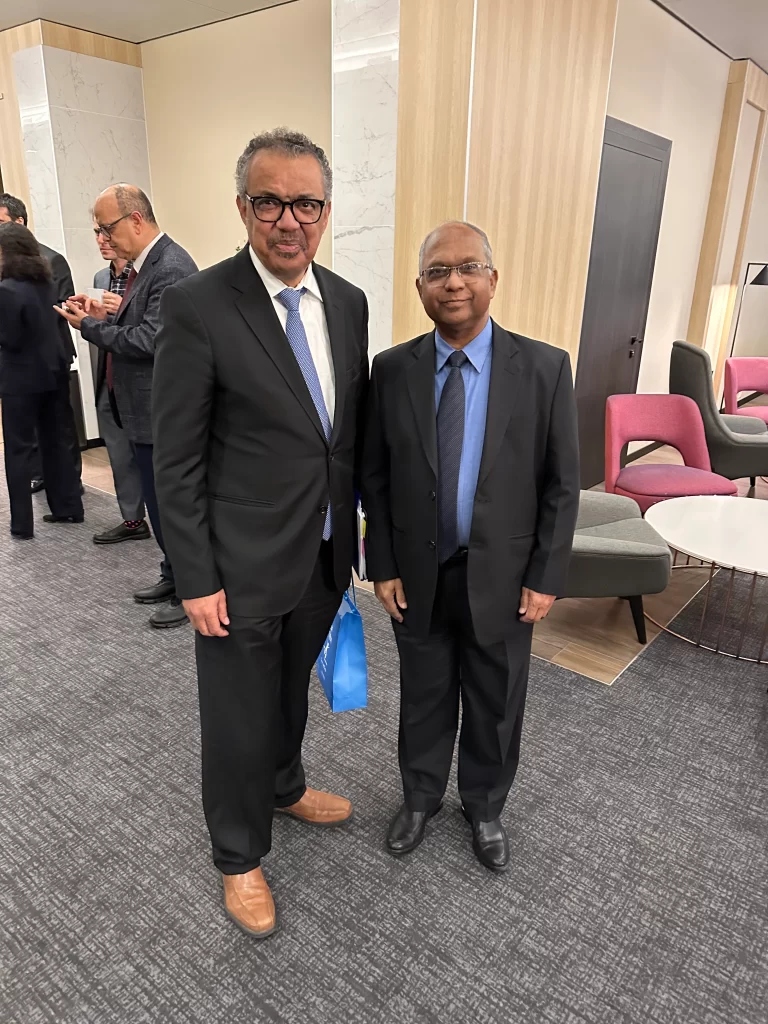
My journey with global health bodies began unexpectedly in 2010 when WHO Geneva called me to join their pandemic influenza review committee following criticisms of the 2009 swine flu response. That year required eight trips to Geneva, marking Bangladesh’s entry into high-level global health governance. This experience positioned me – and by extension, our country – as active participants in shaping international health policies.
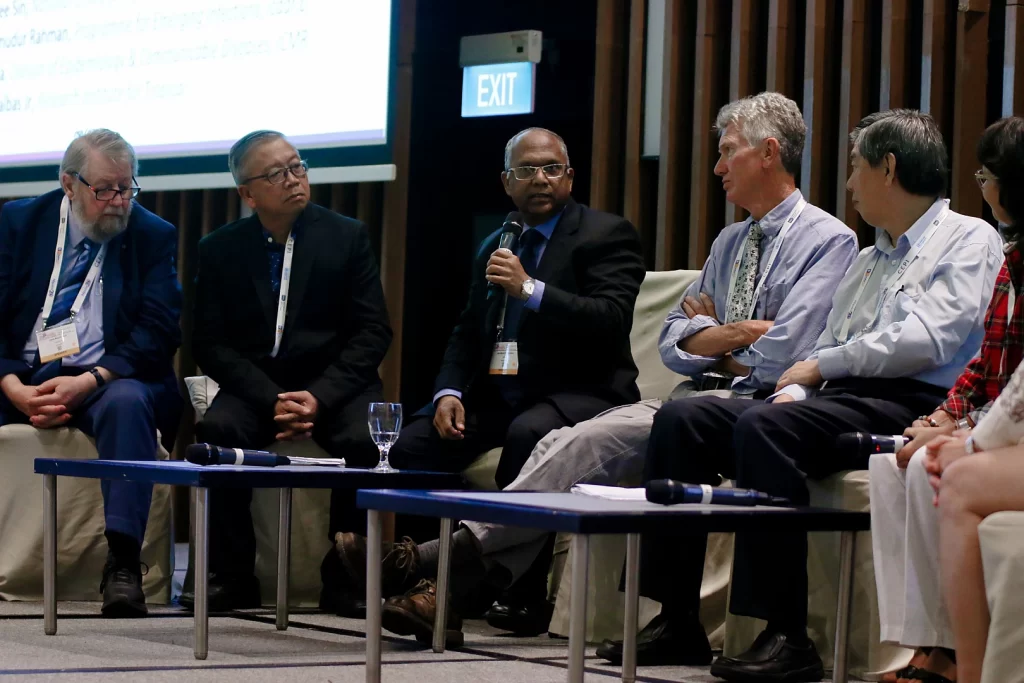
Over the years, Bangladesh’s technical expertise has become increasingly sought after. I’ve served on emergency committees for MERS-CoV, Ebola, monkeypox, and COVID-19, Advisory Group to WHO DG on Pandemic Influenza Prepardness Framework, while my ongoing role chairing WHO’s global influenza consultations demonstrates our sustained influence. Perhaps our proudest contribution was through the South Asian Regional Certification Commission for Polio Eradication, where my signature appears on the 2014 certification declaring the region polio-free – a testament to Bangladesh’s capacity to lead regional health achievements.
These experiences reveal an important evolution: from being recipients of global health guidance to becoming contributors of technical expertise. Our frontline experience with outbreaks like Nipah and dengue gives Bangladesh unique insights that enrich global decision-making. As emerging diseases continue challenging borders, Bangladesh’s role as both a regional leader and global partner in health security will only grow more vital.
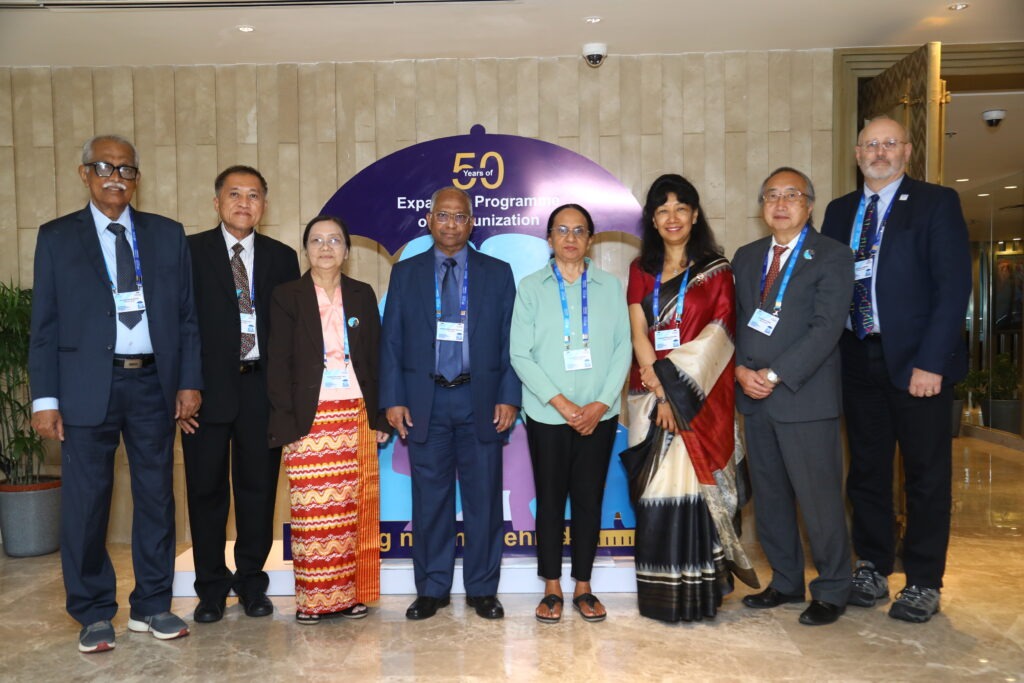
8. What advice would you give young public health professionals facing bureaucratic challenges in Bangladesh?
In our country, we often fail to place the right person in the right position. When someone returns after specialized training, they’re frequently not assigned to matching roles. This leads to wasted resources. Two critical needs must be addressed: proper placement of trained professionals and establishing clear career pathways.
Our financial systems also hinder long-term research and surveillance work. For instance, when contracts are made at the end of the financial year and payments had to make without completing the work therefore, contractors lose motivation to complete the work.
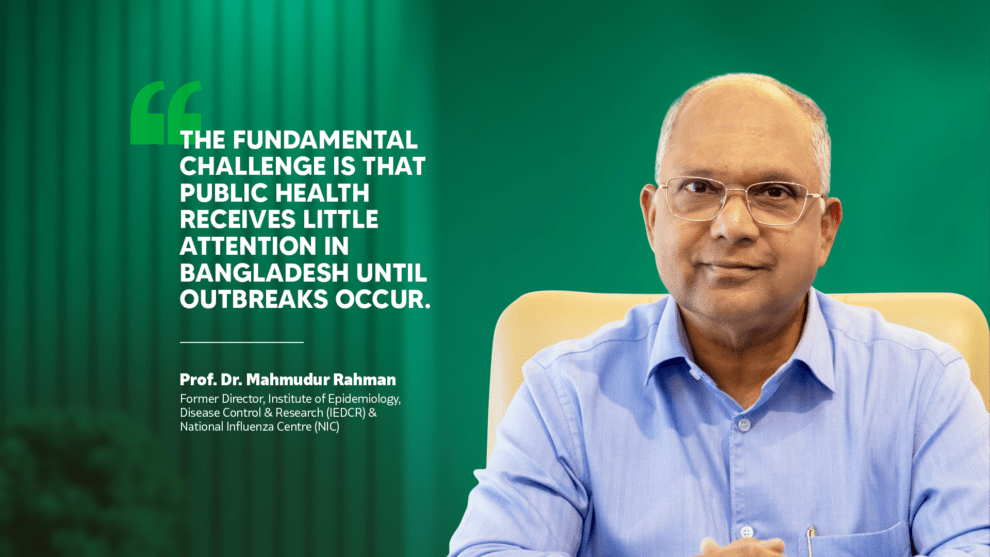
The fundamental challenge is that public health receives little attention in Bangladesh until outbreaks occur. During calm periods, we neglect the crucial capacity building. If we continue ignoring preventive public health measures, we’ll never achieve sustainable success.
9. After decades of managing health crises, how do you personally maintain composure during emergencies when facing intense public pressure?
Outbreaks test more than just technical skills—they demand emotional resilience. When new diseases emerge, panic spreads faster than the pathogen itself. I’ve seen situations escalate to the point where we needed police protection during influenza outbreaks. People understandably lose rationality when fear takes over.
My approach has been twofold: First, relentless organization—ensuring every district surveillance unit analyzes data properly and conducts workshops to educate communities. Second, maintaining open lines with leadership. I made it a practice to regularly brief ministers and secretaries, helping them understand our emergency response role.
We are the fire brigade of public health—expected to contain crises others can’t. That perspective helps me stay focused even when facing aggression or impossible expectations. The key is balancing urgent action with clear communication, turning chaos into coordinated response.
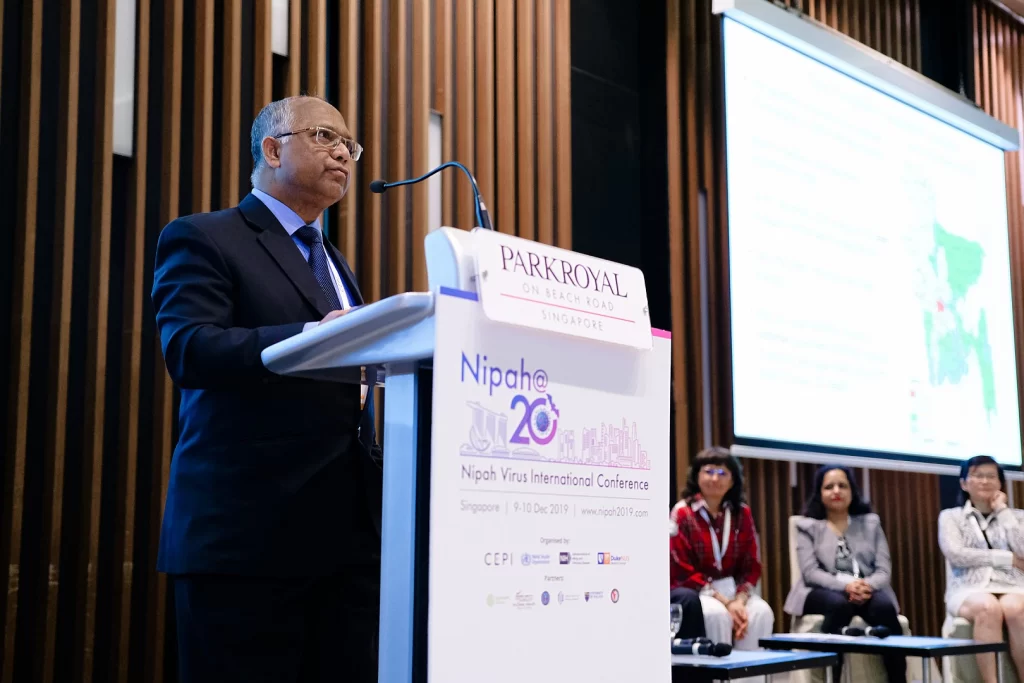
10. After your distinguished career, how do you hope your work has shaped Bangladesh’s public health system and what legacy do you wish to leave?
My greatest hope is for Bangladesh to strengthen two critical gaps: better coordination in public health and establishing a proper referral system. Currently, patients with simple fever or cold symptoms go straight to senior specialists, bypassing primary care. We urgently need structured referral pathways in both government and private sectors.
While global recognition through WHO’s program has been rewarding, in Bangladesh, true acknowledgment often requires political connections. However, my most enduring satisfaction comes from my students – now serving at the highest levels, including three consecutive Director Generals of Medical Services of Armed Forces (DGMS).
Through teaching at NIPSOM, IEDCR, Armed Forces medical institutions and Bangladesh University of Health Professions (BUP), and mentoring MPH, Mphil and PhD candidates, I’ve invested in the next generation of health leaders. These professionals, now spread across the system, represent my most meaningful legacy – far more valuable than any official recognition.