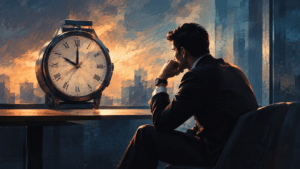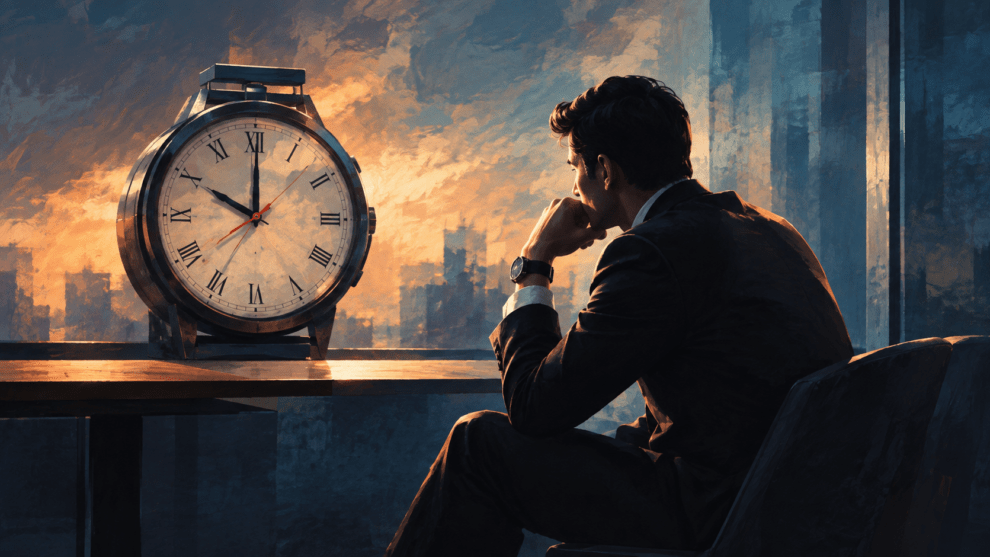
In an age where groceries arrive in minutes and movies stream at the touch of a button, waiting feels increasingly outdated. Convenience has become the defining feature of modern commerce. Yet, at the highest end of the market, the opposite often holds true. The world’s most desirable products are rarely available on demand. Instead, they come with waiting lists measured not in days, but in months, or even years.
Scarcity, it turns out, is one of the most valuable commodities in business.

The Psychology of Scarcity
Economists have long understood that scarcity increases perceived value. But luxury brands have elevated this principle into an art form.
Whether it is a coveted handbag, a high-performance sports car, or a sought-after timepiece, limited availability creates anticipation. Waiting transforms a purchase into an achievement, reinforcing the idea that not everyone can own what you own.
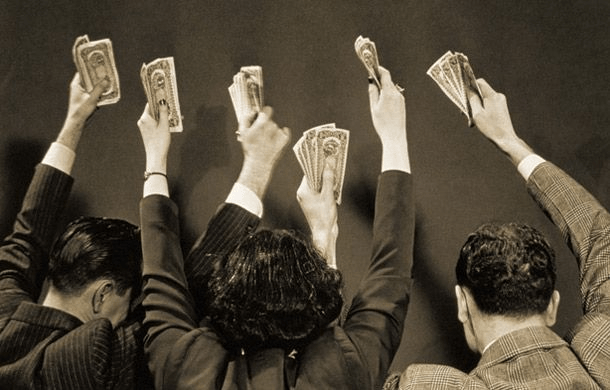
Researchers in consumer psychology have found that scarcity enhances desirability because people naturally assign greater value to things that are difficult to obtain. Luxury brands have embraced this insight for decades, not by producing less, but by carefully managing supply relative to demand.
When Waiting Becomes Part of the Product
Consider some of the world’s most prestigious brands. Certain models from Rolex often require months or years of waiting through authorized dealers. Ferrari has historically prioritized long-term clients for its most exclusive models, while Hermès’ iconic Birkin bag is famously unavailable for direct purchase in many boutiques, with availability often depending on purchase history and long-standing customer relationships.
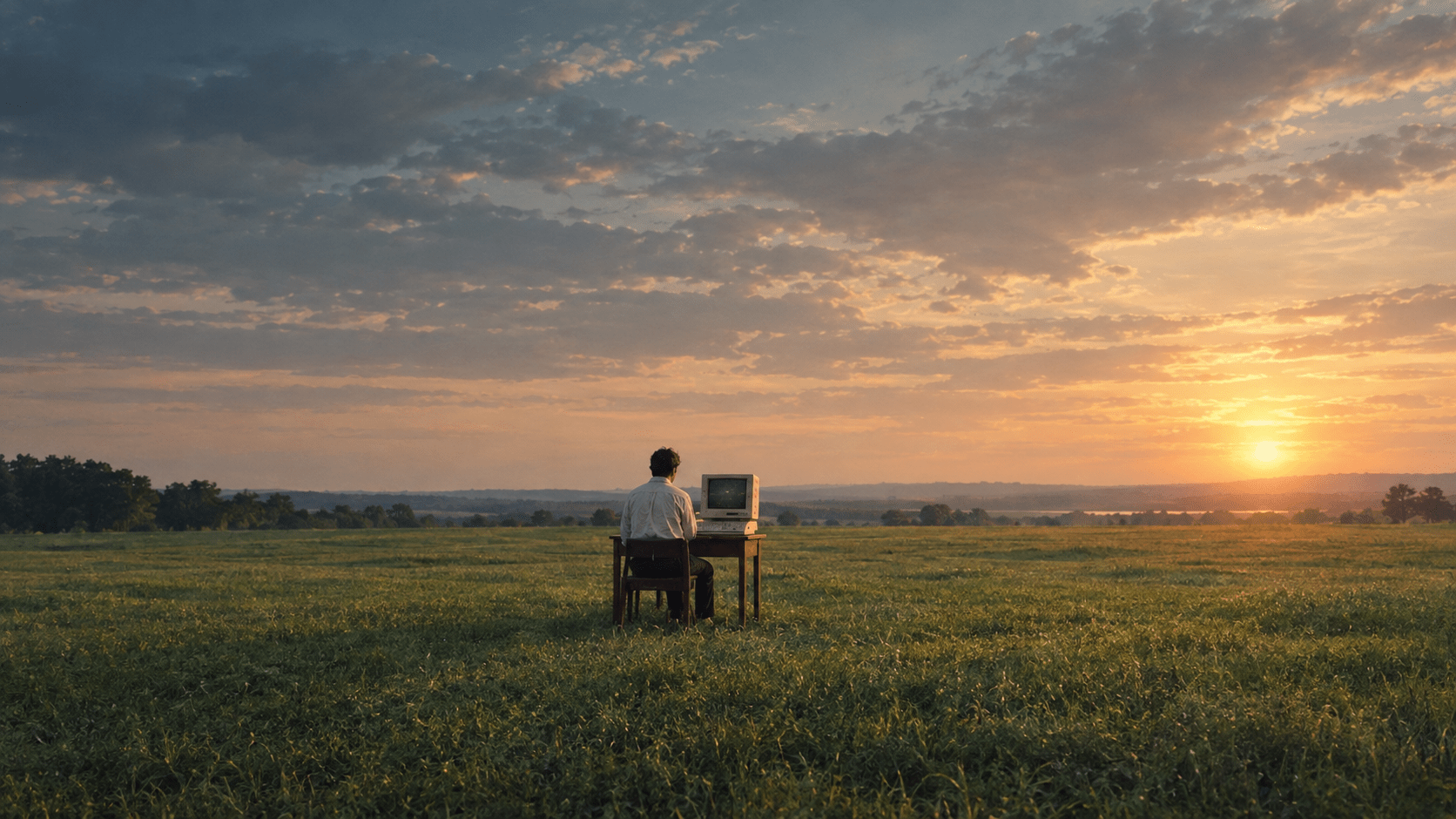
The product itself is only part of the experience. The journey of acquiring it becomes equally valuable.
This strategy serves several purposes. It protects resale values, reinforces exclusivity, and cultivates loyalty. Most importantly, it preserves the brand’s aura, something that cannot be manufactured overnight.
Beyond Luxury: The Business Strategy of Patience
The economics of waiting extend well beyond fashion and automobiles. Prestigious universities maintain selective admissions despite overwhelming demand. Exclusive restaurants often require reservations months in advance. Even premium residential developments release properties in carefully managed phases to sustain demand.
Artificial scarcity, when applied thoughtfully, can strengthen a brand rather than frustrate consumers. It signals confidence. Businesses that deliberately limit access communicate that their value lies not in volume, but in distinction.
This is a sharp contrast to the mass-market model, where success is often measured by how quickly products reach consumers. Luxury operates under a different equation: if everyone can have it immediately, it may no longer feel exceptional.
The Luxury of Anticipation
Perhaps the greatest irony is that waiting itself has become a luxury.
In a world built around instant gratification, anticipation creates emotional investment. The months spent waiting for a watch, a car, or a handcrafted piece of art often deepen the satisfaction of finally owning it. The delay becomes part of the story, one that cannot be replicated by next-day delivery.
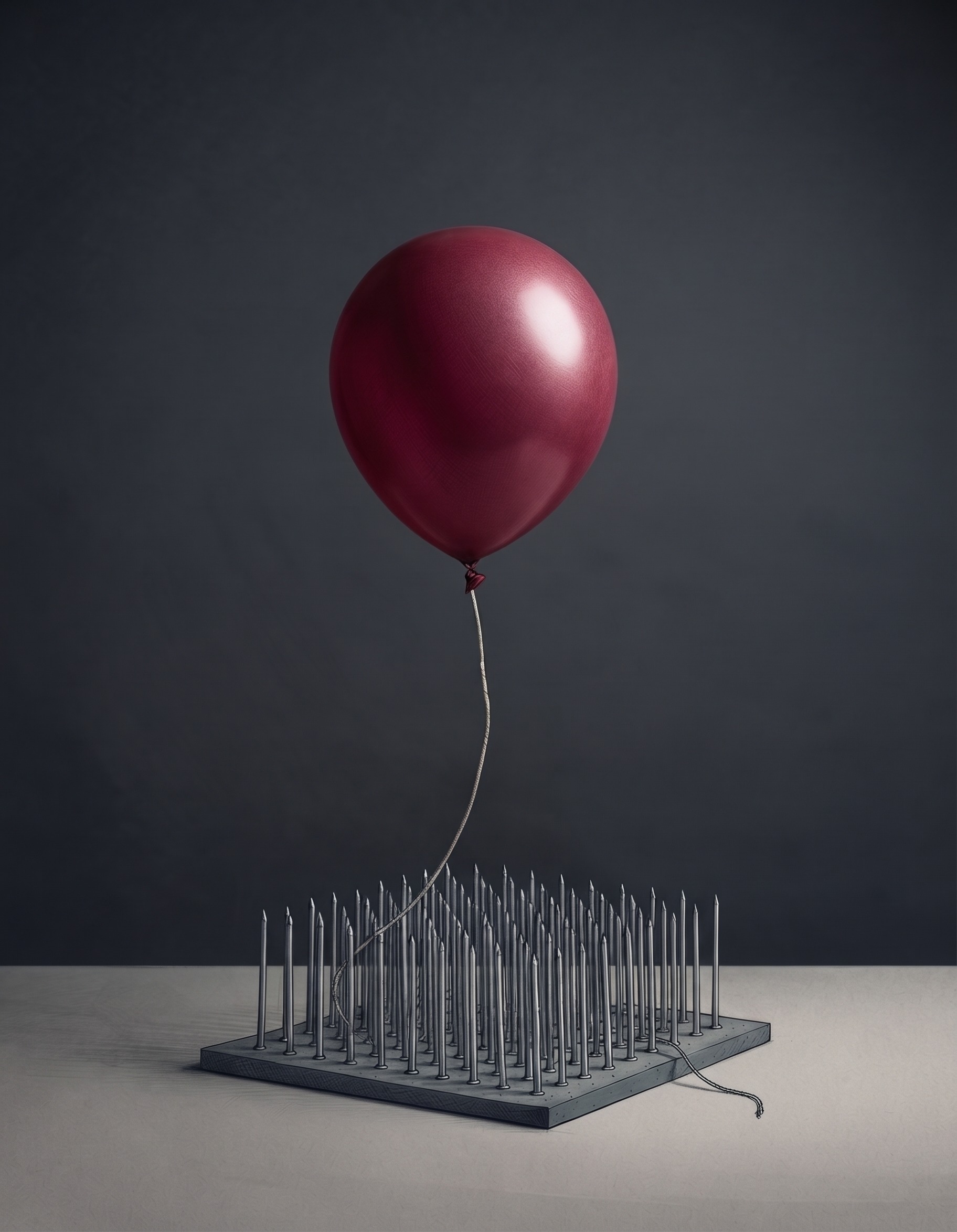
Ultimately, the business of waiting is not about withholding products. It is about protecting value. It reminds us that some of the world’s finest experiences cannot be rushed and that in an economy driven by speed, patience has become one of the rarest and most desirable commodities of all.